
Saudi Arabia Faces Difficult Choices as Houthis Threaten Yemen’s Red Sea Coast
Saudi Arabia is facing an increasingly difficult strategic situation as Yemen’s Houthi movement expands its presence along the country’s Red Sea coastline, putting pressure on one of the region’s most important shipping routes and forcing Riyadh to reconsider how it responds to the growing threat.
The rapid Houthi advance has brought the Iran-aligned group closer to the Bab al-Mandeb Strait, a vital maritime passage connecting the Red Sea with the Gulf of Aden. Control or disruption of the waterway could have serious consequences for international shipping, energy markets and Saudi Arabia’s wider economic ambitions.
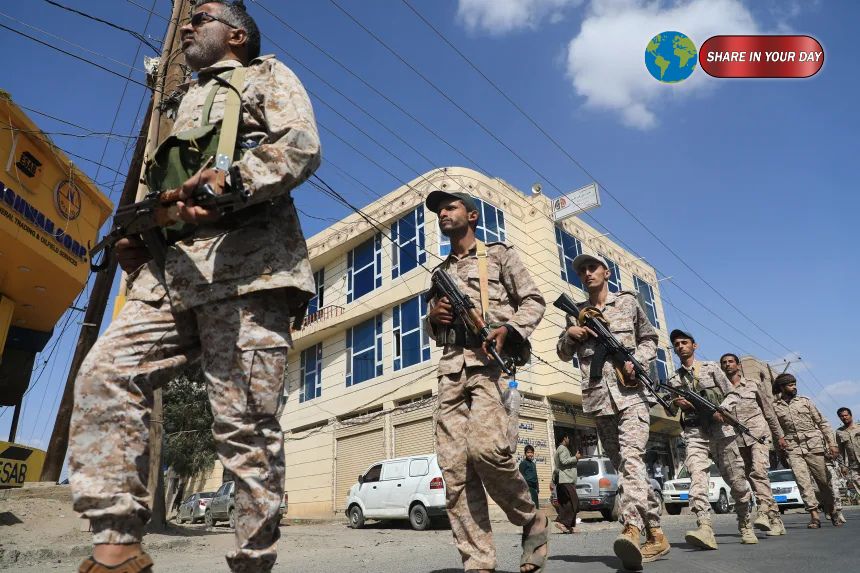
The latest developments have also exposed the limits of Riyadh’s military options. Saudi Arabia has spent years trying to move away from the costly Yemen war, while Crown Prince Mohammed bin Salman has focused on transforming the kingdom into a major investment, tourism and business hub.
A renewed military campaign against the Houthis could undermine those efforts by drawing Saudi Arabia back into a conflict that has already consumed significant resources.
Houthis Advance Toward Strategic Waterway
The Houthis have made significant gains along Yemen’s western coastline, including the capture of strategic territory near the Red Sea. Their advance toward the Bab al-Mandeb has raised concerns because the narrow waterway is one of the world’s critical maritime chokepoints.
The situation has become even more complicated as the Houthis have demonstrated their ability to use drones and missiles against targets in and around Saudi Arabia.
On Sunday, the Houthis claimed to have launched drone and missile attacks against a Saudi military facility in the southern part of the kingdom. The reported attacks added to concerns that the renewed fighting could spread beyond Yemen’s borders.
For Saudi leaders, the threat is not limited to military installations. Energy infrastructure and commercial shipping could also become targets if the conflict continues to escalate.
That possibility is particularly concerning because Saudi Arabia is already dealing with disruption to important energy routes elsewhere in the region.
Riyadh Has Few Easy Military Options
Saudi Arabia has extensive military capabilities, but another large-scale intervention in Yemen would carry significant risks.
The kingdom led a military coalition against the Houthis beginning in 2015 after the group seized large parts of Yemen. Years of airstrikes and fighting failed to produce a decisive victory, while the conflict generated international criticism and a severe humanitarian crisis.
A ceasefire in 2022 reduced the intensity of the conflict, allowing Riyadh to pursue a more diplomatic approach toward the Houthis.
Returning to a major military campaign could therefore reverse years of Saudi efforts to stabilize its southern border.
There is also a concern that intensified Saudi strikes could encourage the Houthis to respond with attacks on Saudi oil facilities, airports, military installations or other strategic infrastructure.
That would create a dangerous cycle at a time when the kingdom is trying to protect foreign investment and maintain confidence in its long-term economic transformation.
Iran Adds Another Layer to the Crisis
The Houthi threat is also part of a much wider confrontation involving Iran and its regional rivals.
The Houthis have maintained close ties with Tehran, although the relationship is not necessarily one in which Iran controls every Houthi decision. Nevertheless, Iranian support has helped strengthen the movement’s military capabilities and has made the group an important factor in the wider regional power struggle.
The development of a Houthi presence near Bab al-Mandeb gives Iran and its allies another potential pressure point against Saudi Arabia and other Gulf states.
The strategic significance becomes clearer when viewed alongside the situation around the Strait of Hormuz. Tensions around Hormuz have already created major uncertainty for global energy markets. The prospect of simultaneous disruption around both Hormuz and Bab al-Mandeb would present an even more serious challenge to international trade.
Recent reporting has highlighted growing concern among Gulf states about the possibility of being caught between competing regional powers while receiving uncertain levels of military support from Washington.
U.S. Support Is No Longer Guaranteed
Saudi Arabia has historically relied heavily on its relationship with the United States for security assistance. But Washington’s approach to the current crisis appears less predictable.
President Donald Trump has shown reluctance to commit the United States to another major military operation in Yemen. That leaves Saudi Arabia facing a difficult calculation over whether it should act independently or seek a diplomatic solution.
The uncertainty is significant because Riyadh does not want to confront the Houthis alone while simultaneously dealing with threats connected to Iran and other regional groups.
For Saudi officials, the central question is how to protect the kingdom without triggering an even larger conflict.
Diplomacy Could Become More Important
The growing pressure may push Saudi Arabia and other Gulf governments toward diplomacy rather than direct confrontation.
Regional leaders have increasingly recognized that military power alone may not provide a lasting solution to the security challenges surrounding Yemen and the Red Sea.
Saudi Arabia also has strong economic reasons to seek stability. The kingdom’s ambitious development plans depend on foreign investment, tourism, infrastructure projects and a perception that the country is becoming safer and more connected to global markets.
A prolonged conflict involving the Houthis could threaten those objectives.
At the same time, allowing the group to consolidate its position near Bab al-Mandeb could leave Saudi Arabia facing a permanent security problem on its southern flank.
A Critical Test for Saudi Arabia
The Houthi advance presents Saudi Arabia with a difficult choice between military action, diplomacy and a combination of both.
A major intervention could carry heavy financial and security costs, while doing nothing could allow the Houthis to strengthen their position along one of the world’s most important shipping routes.
The situation is also developing against the backdrop of broader tensions involving Iran, the United States and Gulf states. With energy infrastructure and international shipping already under pressure, further escalation in Yemen could have consequences far beyond the battlefield.
For Riyadh, the immediate priority will be preventing the conflict from threatening Saudi territory and critical economic infrastructure. But the longer-term challenge will be finding a strategy that protects the kingdom without pulling it back into the kind of open-ended Yemen war it has spent years trying to leave behind.
SEO Details
Focus Keyphrase: Saudi Arabia Houthis
SEO Title: Saudi Arabia Faces Tough Choices as Houthis Advance in Yemen
Slug: saudi-arabia-houthis-yemen-red-sea-threat
Meta Description: Saudi Arabia faces difficult choices as Houthi forces advance in Yemen, threatening the Red Sea, Bab al-Mandeb and regional stability.
Category: World News
Tags: Saudi Arabia, Houthis, Yemen, Red Sea, Bab al-Mandeb, Iran, Middle East, Mohammed bin Salman, Donald Trump, Saudi Arabia Houthis, Yemen War, Red Sea Shipping