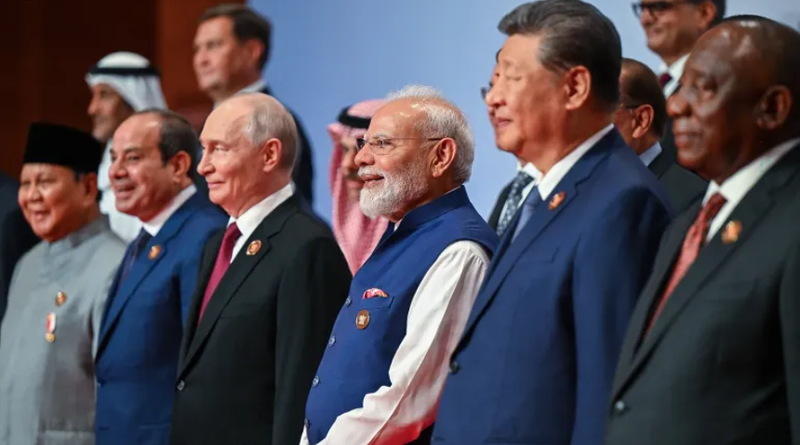
BRICS Summit 2026: 5 Key Takeaways
The BRICS Summit 2026 in New Delhi has highlighted both the growing influence and deep divisions within the expanded bloc. Leaders gathered in India as wars, trade tensions, energy disruptions and disputes over the global economic order continue to reshape international politics.
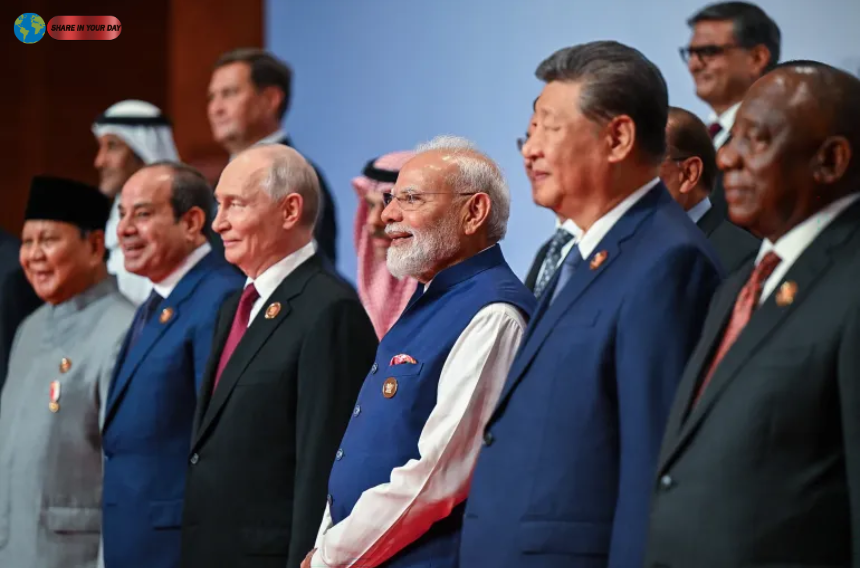
The 11-member group now represents roughly half of the world’s population and about 40 percent of global economic output. Yet its growing size has also made consensus harder, particularly on major geopolitical crises.
The summit therefore offered a revealing picture of what BRICS can achieve — and where its limits remain.
1. BRICS Calls for De-escalation
One of the biggest challenges facing the BRICS Summit 2026 was the war involving the United States, Israel and Iran.
The issue exposed a major fault line inside the bloc. Iran is a BRICS member, while the United Arab Emirates is also part of the group and has faced Iranian attacks during the conflict.
Unlike the previous year, BRICS did not issue an explicit condemnation of the US-Israel war on Iran. Instead, the group’s declaration focused on broader principles, including restraint, sovereignty and the need to protect international stability.
The cautious wording reflected the difficulty of producing a unified foreign policy among countries with competing strategic interests.
The declaration nevertheless called for reducing tensions and maintaining the flow of global trade.
2. Economic Cooperation Remains Central
Economic cooperation remained at the heart of the summit.
BRICS members have increasingly discussed ways to strengthen trade and financial links while reducing their vulnerability to sanctions, tariffs and disruptions affecting global supply chains.
Cross-border payment systems and the greater use of local currencies were among the issues receiving attention. However, the summit did not signal an immediate replacement for the US dollar as the world’s dominant currency.
Instead, the approach appears more practical: expand payment alternatives and make trade between members easier.
This matters particularly for countries such as Russia and Iran, which face extensive Western sanctions.
The bloc also discussed energy security, food supplies, technology and artificial intelligence as areas where cooperation could strengthen economic resilience.
3. China and India Seek a Thaw
Another important development was the presence of Chinese President Xi Jinping in India.
Xi’s visit was significant because it marked his first trip to the country in seven years. Relations between Beijing and New Delhi have been strained by border disputes, trade imbalances and wider strategic competition.
Prime Minister Narendra Modi’s hosting of the summit provided an opportunity for both governments to improve communication.
The relationship between China and India matters far beyond their bilateral ties. Both countries are major BRICS members, but they have different visions for the group’s future.
China generally favors a stronger bloc capable of challenging Western influence. India, meanwhile, has traditionally promoted strategic autonomy without turning BRICS into an explicitly anti-Western alliance.
That difference is likely to remain one of the group’s defining internal debates.
4. BRICS Wants a Bigger Global Role
The BRICS Summit 2026 also reinforced the group’s ambition to give developing and emerging economies a stronger voice in international affairs.
The expanded bloc includes Brazil, Russia, India, China, South Africa, Egypt, Ethiopia, Iran, Indonesia and the Gulf states of Saudi Arabia and the United Arab Emirates.
With such a broad membership, BRICS has become an important platform for countries seeking greater influence in institutions traditionally dominated by Western powers.
Leaders backed calls for a more multipolar international system and greater representation for developing nations.
However, size alone does not guarantee political influence.
BRICS members continue to disagree over wars, trade policy and their relationship with the United States and Europe. The group’s ability to manage those disagreements may ultimately determine how influential it becomes.
5. Internal Divisions Remain a Major Challenge
Perhaps the clearest lesson from the summit is that BRICS is powerful but far from unified.
Iran and the UAE have conflicting interests over the Middle East conflict. India and China remain strategic competitors. Russia wants stronger resistance to Western pressure, while India and some other members prefer a less confrontational approach.
There are also differences over how far BRICS should go in challenging the US-led international system.
For China and Russia, the bloc can serve as a counterweight to American influence. India, however, has generally viewed BRICS as a way to increase its strategic options rather than join an anti-Western alliance.
That distinction explains why the group often reaches agreement on economic cooperation while struggling to speak with one voice on major conflicts.
What the BRICS Summit 2026 Means
The BRICS Summit 2026 demonstrated that the bloc is becoming more important, but its future will depend on whether its members can turn shared interests into practical results.
The summit produced cooperation on issues such as trade, technology, supply chains, health and financial connectivity. It also showed that members can maintain dialogue despite serious geopolitical disagreements.
At the same time, the cautious language surrounding the Iran war revealed the limits of BRICS unity.
The bloc does not need to become a military-style alliance to increase its global influence. Its strength may instead come from providing countries with another platform for economic cooperation and diplomatic maneuvering.
As China takes over the next BRICS presidency, attention will now turn to whether the expanded organization can build on its economic potential while managing its political divisions.
The central question is no longer simply whether BRICS can challenge the West.
It is whether its members can disagree on major issues while still working together effectively.
That may ultimately determine the bloc’s role in the changing global order.