Legal Foreign Investment: Phnom Penh Seeks More
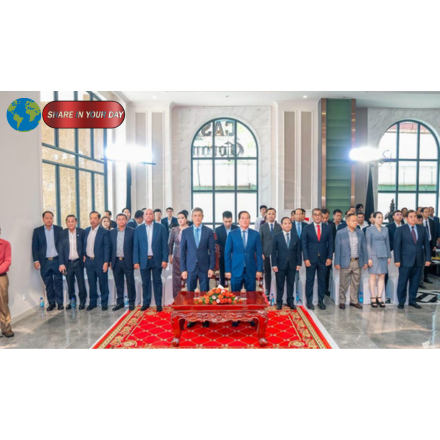
Phnom Penh Governor Khuong Sreng is encouraging more international businesses to pursue legal foreign investment in the Cambodian capital, saying increased investment can contribute to economic growth while supporting the city’s tourism ambitions. The call comes as Cambodia continues efforts to strengthen its investment environment and attract capital into productive sectors.
The governor’s message highlights a broader economic priority: attracting foreign capital while ensuring investors operate within Cambodia’s laws and regulations. For Phnom Penh, where construction, services, tourism, retail and commercial development remain important parts of the urban economy, additional investment could create new opportunities for businesses and workers.
The appeal also comes at a time when Cambodia is promoting a more structured investment framework. The country’s Law on Investment is designed to provide an open, transparent and predictable framework for both Cambodian and foreign investors, while offering incentives for qualifying projects.
Why Legal Foreign Investment Matters for Phnom Penh
Foreign investment can play an important role in the development of a rapidly growing capital city. International companies can bring capital, technology, management expertise and access to overseas markets.
For Phnom Penh, those benefits can extend beyond the companies receiving investment.
New projects may require construction services, professional firms, transportation, logistics, hospitality and other supporting businesses. As projects expand, they can also generate employment and stimulate demand across different parts of the local economy.
This is one reason the governor’s encouragement of legal foreign investment carries significance beyond individual investment projects.
A stronger flow of legitimate investment can help expand the city’s economic base while supporting the government’s broader objective of attracting quality investment.
The emphasis on legality is equally important. Foreign businesses need to understand licensing requirements, registration procedures, taxation rules, ownership regulations and sector-specific requirements before beginning operations.
By operating through the appropriate legal channels, investors can reduce regulatory risks and establish businesses on a more stable foundation.
Phnom Penh Looks to Investment to Support Growth
Phnom Penh has become a major centre for Cambodia’s commercial and economic activity. The capital hosts financial institutions, manufacturers, technology businesses, retailers, restaurants, hotels, property developers and professional service providers.
That concentration of economic activity makes the city an important destination for foreign investors.
Investment can also contribute to the development of supporting infrastructure. Roads, bridges, commercial areas, transportation networks and other urban facilities can make the capital more attractive to businesses and visitors.
Previous infrastructure projects have demonstrated how improvements in connectivity can strengthen the city’s investment appeal. The Morodok Techo Flyover, for example, was designed to improve traffic flow and connectivity in southern Phnom Penh while strengthening links with major infrastructure projects. Phnom Penh officials have connected such infrastructure development with efforts to make the capital more competitive for investors.
As infrastructure continues to improve, investors may find more opportunities across commercial, industrial and service-related sectors.
Tourism Could Be a Major Beneficiary
Tourism is another important part of the governor’s investment message.
Phnom Penh serves as a gateway for many international visitors entering Cambodia. Hotels, restaurants, entertainment venues, transportation companies, shopping centres and tourism-related services all depend on a healthy flow of visitors and investment.
Foreign investment can bring new concepts and international business experience into these sectors.
For example, investors may introduce new hospitality brands, dining concepts, entertainment facilities or technology-driven tourism services. These projects can create additional choices for visitors while also increasing competition and encouraging local businesses to improve their services.
Tourism investment can therefore have a multiplier effect.
A new hotel does not operate in isolation. It can generate demand for food suppliers, transportation services, cleaning companies, maintenance providers, tour operators and other businesses.
The same principle applies to larger commercial and entertainment developments.
As Phnom Penh continues to develop as an international city, investment in tourism infrastructure could become increasingly important.
Cambodia Has a Formal Investment Framework
The push for more foreign investment is supported by Cambodia’s national investment framework.
The Council for the Development of Cambodia says the country’s 2021 Law on Investment was designed to establish an open, transparent and predictable legal framework for attracting and promoting quality investment from both Cambodian and foreign investors. The framework also seeks to improve competitiveness, diversify the economy and encourage capital inflows, technology transfers and stronger connections to regional and global supply chains.
That framework provides an important foundation for investors considering Cambodia.
Rather than relying solely on informal arrangements, investors can pursue projects through established government procedures and seek registration and incentives where their projects qualify.
The CDC also provides information, application materials and legal documents for investors, giving businesses a clearer route for understanding investment requirements.
For foreign companies, this regulatory clarity can be an important factor when comparing Cambodia with other investment destinations in Southeast Asia.
Investment Incentives Could Strengthen Cambodia’s Appeal
Cambodia’s investment framework includes incentives for a wide range of sectors.
According to the CDC, 19 sectors and activities are eligible for investment incentives under Article 24 of the Law on Investment. These include high-tech industries, manufacturing, agriculture and agro-processing, tourism, digital industries, health, logistics, infrastructure, environmental protection, green energy and special economic zones.
The availability of incentives can make Cambodia more attractive to businesses planning long-term projects.
However, eligibility depends on the nature of the investment and applicable regulations. Not every foreign business automatically qualifies for the same benefits.
Investors therefore need to assess their proposed projects carefully before making commitments.
The CDC’s investment materials provide information on the relevant framework, while the government’s investment application system gives businesses access to procedures for submitting qualified investment projects.
What Foreign Investors Need to Consider
The governor’s call for legal foreign investment also underscores the importance of compliance.
International companies entering Phnom Penh need to understand the legal requirements associated with establishing and operating a business in Cambodia.
Depending on the sector, investors may need to consider company registration, licenses, taxation, employment rules, land arrangements, environmental requirements and other regulatory obligations.
Ownership is another important consideration.
Cambodia’s investment law provides protections and rights for investors, but land ownership is subject to specific rules. Under the Law on Investment, ownership of land for implementing investment projects is limited to persons of Cambodian nationality, while investors can use land through arrangements permitted under Cambodian law, including leases and economic land concessions where applicable.
This distinction is important for foreign businesses considering property-intensive projects.
Investors should therefore conduct appropriate legal and commercial due diligence before committing substantial capital.
Quality Investment Is More Important Than Investment Alone
Attracting foreign capital is only one part of Cambodia’s economic strategy.
The quality and long-term impact of investment also matter.
Projects that create jobs, develop local supply chains, introduce technology, train workers and generate exports can deliver broader economic benefits than investments focused only on short-term commercial activity.
This is consistent with the objectives of Cambodia’s investment framework, which places emphasis on economic diversification, productivity, technology transfer and stronger links with regional and global supply chains.
For Phnom Penh, quality investment could support the city’s transition toward higher-value economic activities.
Digital businesses, technology services, logistics, advanced manufacturing, modern tourism and professional services could all contribute to that transition.
At the same time, traditional sectors such as hospitality, retail, food services and property development will continue to play an important role in the city’s economy.
A Competitive Phnom Penh Needs Investor Confidence
Investor confidence is influenced by more than tax incentives.
Businesses also look at infrastructure, political and economic stability, access to skilled workers, transportation, utilities, market size and the efficiency of government procedures.
Phnom Penh’s continued infrastructure development can therefore complement the government’s efforts to attract investment.
Better roads and transport connections can lower business costs. Improved infrastructure can also make it easier for workers, customers and tourists to move around the capital.
The development of major national infrastructure projects may further strengthen the city’s position.
For investors, the combination of market access and improving infrastructure can make Phnom Penh more attractive as a base for Cambodia operations.
Foreign Investment Could Create New Opportunities for Local Businesses
The benefits of foreign investment do not have to remain limited to international companies.
Local businesses can benefit when foreign investors establish operations and develop supply chains in Cambodia.
A new hotel, factory, logistics company or technology business may require Cambodian suppliers and service providers. This can create opportunities for small and medium-sized enterprises to become part of larger commercial networks.
Workforce development can also become an important benefit.
Foreign companies often introduce new operational practices, technical skills and management systems. When Cambodian employees receive training and experience, those skills can remain valuable to the broader economy.
This makes investment quality particularly important.
Projects that build local capacity can contribute to Cambodia’s competitiveness well beyond the initial investment period.
Phnom Penh’s Message to International Investors
Governor Khuong Sreng’s latest appeal sends a straightforward message to international businesses: Phnom Penh wants more foreign investment, but investors should enter the market through legal and regulated channels.
That message aligns with Cambodia’s national investment strategy.
The country has created a framework intended to attract foreign and domestic capital while protecting investors’ legitimate interests and supporting economic development.
For Phnom Penh, the opportunity is particularly significant because the capital sits at the centre of Cambodia’s commercial ecosystem.
More investment could support tourism, services, infrastructure and employment while helping local companies connect with international businesses.
However, successful investment will depend on the ability of authorities and businesses to maintain transparency, regulatory compliance and investor confidence.
The Road Ahead for Foreign Investors
Cambodia’s investment environment is continuing to evolve.
The government is promoting investment in areas ranging from manufacturing and agriculture to technology, logistics, tourism and green energy. The CDC’s current investment framework reflects an effort to move beyond attracting capital alone and toward investments that support productivity and economic diversification.
Phnom Penh will remain central to that effort.
As the capital grows, demand for modern infrastructure, hospitality, commercial services, technology and business facilities is likely to create new investment possibilities.
The governor’s call for more legal foreign investment therefore comes at a potentially important moment.
International companies considering Cambodia will have opportunities, but they will also need to understand the rules of the market and plan carefully.
For investors willing to comply with local regulations and pursue long-term projects, Phnom Penh offers access to one of Cambodia’s most important commercial markets.
The ultimate goal is not simply to bring more foreign money into the capital. It is to attract investment that creates jobs, strengthens businesses, supports tourism, improves productivity and contributes to sustainable economic growth.
As Phnom Penh continues its transformation, that balance between investment, regulation and development could shape the city’s next phase of economic expansion.