Kim Jong Un Self-Blasting Policy: 5 Shocking Facts
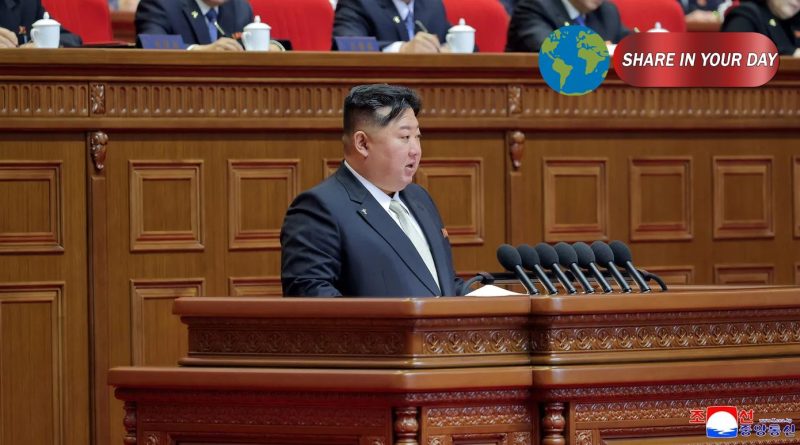
The Kim Jong Un self-blasting policy has sparked global outrage after the North Korean leader confirmed that soldiers fighting in Russia’s war against Ukraine are expected to take their own lives rather than be captured.
The revelation, reported by Bloomberg and based on North Korean state media, marks one of the most controversial battlefield doctrines seen in modern warfare. It not only sheds light on Pyongyang’s growing role in the Ukraine conflict but also raises serious ethical, military, and geopolitical concerns.
Here are five key facts that explain what this policy means—and why it matters.
1. What Is the “Self-Blasting” Policy?
At its core, the Kim Jong Un self-blasting policy refers to a directive that soldiers must avoid capture at all costs—even if that means ending their own lives.
According to reports, Kim publicly praised troops who had “self-blasted” during combat, describing them as heroes who chose death to protect national honor.
The phrase “self-blasting” is widely interpreted as soldiers committing suicide on the battlefield, often using explosives, to prevent being taken prisoner.
This is not entirely unprecedented in military history, but its formal acknowledgment by a head of state makes it especially alarming.
2. The Policy Was Confirmed During a Memorial Event
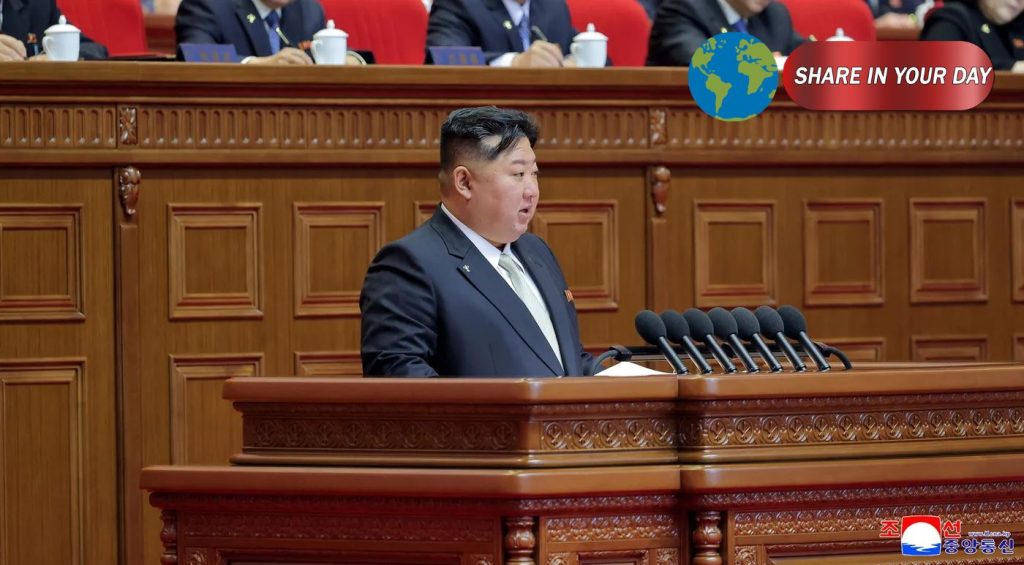
Kim Jong Un confirmed the policy during a high-profile ceremony in Pyongyang, where a memorial was unveiled for North Korean soldiers killed in the Ukraine war.
During the speech, Kim referenced fallen soldiers multiple times, calling them “heroes who unhesitatingly opted” for such actions to defend the nation’s honor.
The event was attended by North Korean officials and Russian representatives, underscoring the deepening alliance between the two countries.
Rather than distancing himself from the reports, Kim openly embraced the narrative—effectively validating earlier intelligence claims.
3. North Korea’s Growing Role in the Ukraine War
The Kim Jong Un self-blasting policy cannot be understood without looking at North Korea’s expanding involvement in Russia’s war effort.
Since 2024, Pyongyang has:
- Sent thousands of troops to support Russian operations
- Supplied weapons, including missiles and ammunition
- Entered a military pact with Moscow featuring mutual defense provisions
Estimates suggest that as many as 10,000 to 15,000 North Korean soldiers have been deployed, with significant casualties reported.
This marks a dramatic shift for North Korea, whose military had limited real combat experience outside its borders before this conflict.
4. Why Avoiding Capture Is So Critical
The reasoning behind the Kim Jong Un self-blasting policy appears to be rooted in both strategic and ideological factors.
Intelligence Protection
Captured soldiers could reveal:
- Military tactics
- Equipment capabilities
- Details of cooperation with Russia
Avoiding capture helps prevent sensitive information from falling into enemy hands.
Propaganda and Ideology
North Korea’s political system places heavy emphasis on loyalty and sacrifice.
By framing such actions as heroic, the government reinforces:
- Absolute obedience
- Nationalistic pride
- Fear of dishonor
Kim described the fallen soldiers as having achieved a “heroic death,” reinforcing this narrative.
5. Global Reaction and Ethical Concerns
The confirmation of the Kim Jong Un self-blasting policy has drawn widespread concern from analysts and international observers.
Critics argue that:
- It violates basic human rights
- It places extreme psychological pressure on soldiers
- It reflects a disregard for human life
Meanwhile, military experts warn that such policies could:
- Increase battlefield brutality
- Complicate prisoner-of-war protocols
- Escalate tensions in the already volatile Ukraine conflict
The policy also highlights the stark contrast between North Korea’s military doctrine and international norms governing warfare.
A Deeper Look: North Korea–Russia Military Alliance
The policy is part of a broader strategic partnership between North Korea and Russia.
In recent years:
- The two countries signed a defense agreement
- Joint military operations have been reported
- North Korea has supplied weapons used in Ukraine
This cooperation has raised alarms in Western capitals, as it strengthens Russia’s war capabilities while giving North Korea valuable combat experience.
Experts believe Pyongyang may benefit from:
- Advanced military technology
- Economic aid
- Political support on the global stage
Battlefield Reality: High Casualties and Risky Missions
Reports suggest that North Korean troops in Ukraine have faced extremely high-risk missions.
Some intelligence estimates indicate:
- Thousands of casualties
- Deployment in frontline or dangerous operations
- Limited training for modern warfare conditions
In such an environment, the Kim Jong Un self-blasting policy becomes even more controversial, as it may effectively force soldiers into impossible choices.
Historical Context: “Fight to the Death” Doctrines
While shocking, the concept behind the policy has historical parallels.
Various militaries have, at times, encouraged:
- Last-stand resistance
- Suicide missions
- Avoidance of capture
However, modern international law and military ethics generally reject such practices, emphasizing the protection of prisoners of war.
The explicit endorsement of such a policy by a national leader sets a troubling precedent in contemporary conflict.
What This Means for the Ukraine War
The confirmation of this policy could have several implications:
Escalation of Conflict
It signals deeper North Korean involvement, potentially prolonging the war.
Intelligence Challenges
Capturing North Korean soldiers may become more difficult, limiting intelligence gathering.
Diplomatic Fallout
The move could increase international pressure on both North Korea and Russia.
Internal Link (Example)
For more geopolitical analysis, visit:
👉 https://yourwebsite.com/world-politics
External Sources
- Bloomberg report on North Korea policy
- NDTV summary of Kim’s speech
- Hindustan Times explanation of the tactic
Conclusion: A Policy That Shocks the World
The Kim Jong Un self-blasting policy represents a stark and controversial approach to modern warfare.
By confirming that soldiers are expected to die rather than be captured, Kim has highlighted the extreme nature of North Korea’s military doctrine—and its deepening involvement in the Ukraine conflict.
As the war continues, this policy will likely remain a focal point of global concern, raising difficult questions about ethics, strategy, and the human cost of war.