UAE Quits OPEC in Shock Move, Reshaping Global Oil Markets
The decision that UAE quits OPEC has sent shockwaves across global energy markets, marking one of the most significant shifts in oil geopolitics in recent years. The United Arab Emirates announced it would leave the powerful oil-producing alliance effective May 1, 2026, ending decades of cooperation with the Organization of the Petroleum Exporting Countries.
This unexpected move comes at a time of heightened geopolitical tensions and energy instability, raising serious questions about the future of global oil supply, pricing, and international alliances.
Why UAE Quits OPEC Now
The announcement that UAE quits OPEC was described by officials as a “sovereign strategic decision.” However, deeper factors reveal a complex mix of political, economic, and security concerns.
According to reports, the UAE had grown increasingly frustrated with limited regional support during escalating tensions with Iran. The ongoing conflict has disrupted oil flows and heightened risks across the Middle East, particularly near the critical Strait of Hormuz.
Additionally, the UAE has long sought greater flexibility in setting its own production levels rather than adhering to OPEC quotas. By leaving the group, the country gains full control over its oil output strategy.
A Major Blow to OPEC Unity
The fact that UAE quits OPEC represents a significant challenge to the unity of the organization.
OPEC, founded in 1960, has historically played a central role in coordinating oil production among member states to influence global prices.
The UAE has been one of OPEC’s most reliable and strategically important members, with substantial production capacity and influence. Its departure weakens the group’s cohesion and could encourage other members to reconsider their positions.
Analysts warn that this could lead to fragmentation within OPEC and its broader alliance, OPEC+, reducing their ability to stabilize global oil markets.
Impact on Global Oil Prices
One of the most immediate consequences of the UAE quits OPEC decision is increased volatility in oil prices.
Markets reacted quickly, with oil prices initially surging due to ongoing geopolitical tensions, before showing signs of instability following the announcement.
Several factors are driving this volatility:
- Uncertainty over future production levels
- Reduced coordination among major oil producers
- Disruptions linked to regional conflict
Experts suggest that while prices may fluctuate in the short term, the UAE’s ability to independently increase production could eventually put downward pressure on oil prices.
Geopolitical Tensions Behind the Decision
The timing of the announcement that UAE quits OPEC is closely tied to escalating tensions in the Middle East.
The ongoing conflict involving Iran has severely disrupted energy infrastructure and shipping routes. Attacks and threats in the region have forced companies to halt or reroute oil shipments, creating supply bottlenecks.
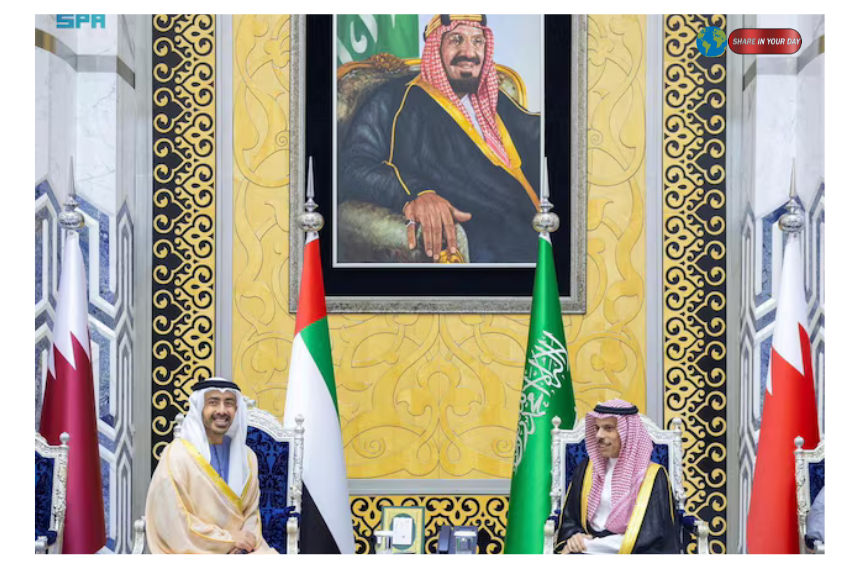
The UAE has also expressed dissatisfaction with the response of regional allies, including the Gulf Cooperation Council, citing insufficient political and military support.
This geopolitical backdrop highlights how energy decisions are increasingly intertwined with national security concerns.
Economic Strategy Behind UAE’s Exit
Beyond geopolitics, the move that UAE quits OPEC reflects a broader economic strategy.
The UAE has invested heavily in expanding its oil production capacity and aims to maximize revenue by responding quickly to market conditions.
By leaving OPEC, the country can:
- Increase production without quota restrictions
- Respond more flexibly to global demand
- Strengthen its position as a competitive energy exporter
This shift aligns with the UAE’s long-term vision to diversify its economy while maintaining strong influence in global energy markets.
5 Key Impacts of UAE Leaving OPEC
The decision that UAE quits OPEC carries wide-reaching implications. Here are five major impacts:
1. Weakening of OPEC’s Influence
The departure reduces the group’s collective production power and undermines its ability to control prices.
2. Increased Market Volatility
Oil markets are likely to experience greater fluctuations due to reduced coordination.
3. Potential Rise in Independent Production
The UAE may boost output, influencing global supply dynamics.
4. Shift in Global Alliances
The move could reshape relationships between oil-producing nations, especially in the Gulf region.
5. Long-Term Price Uncertainty
While short-term prices may spike, increased supply could stabilize or lower prices over time.
How This Affects Global Consumers
For consumers worldwide, the impact of UAE quits OPEC will likely be felt in fuel prices and energy costs.
In the short term, geopolitical tensions and supply disruptions may drive prices higher. However, if the UAE increases production independently, it could help ease supply constraints and stabilize prices in the long run.
Industries heavily dependent on energy—such as transportation, manufacturing, and logistics—will be particularly affected by these shifts.
A Turning Point in Energy Politics
The moment UAE quits OPEC may mark a turning point in global energy politics.
Historically, OPEC has functioned as a unified bloc capable of influencing global markets. However, internal disagreements and shifting national priorities have increasingly challenged this unity.
The UAE’s exit follows similar moves by other countries in recent years, signaling a broader trend toward independent energy strategies.
What Happens Next?
With UAE quits OPEC, the future of the organization remains uncertain.
Key questions moving forward include:
- Will other members follow suit?
- Can OPEC maintain its influence without key players?
- How will global markets adjust to reduced coordination?
Meanwhile, the UAE is expected to focus on expanding its energy capabilities and strengthening bilateral partnerships with major economies.
Conclusion: A Defining Moment for Global Oil Markets
The announcement that UAE quits OPEC is more than just a policy change—it is a defining moment for the global energy landscape.
As geopolitical tensions rise and market dynamics shift, the balance of power in the oil industry is being reshaped.
While the long-term effects remain uncertain, one thing is clear: the global oil market is entering a new era of complexity, competition, and transformation.