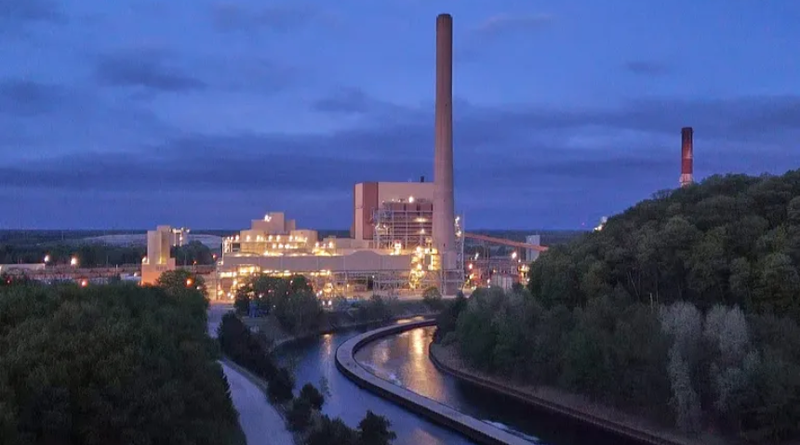
US Court Rejects Trump Order on Michigan Coal Plant
A federal appeals court has rejected the Trump administration’s attempt to keep a major Michigan coal plant operating beyond its scheduled retirement, ruling that the US Energy Department went beyond its legal authority. The decision represents a significant setback for the administration’s efforts to extend the lives of ageing coal-fired power plants across the country.
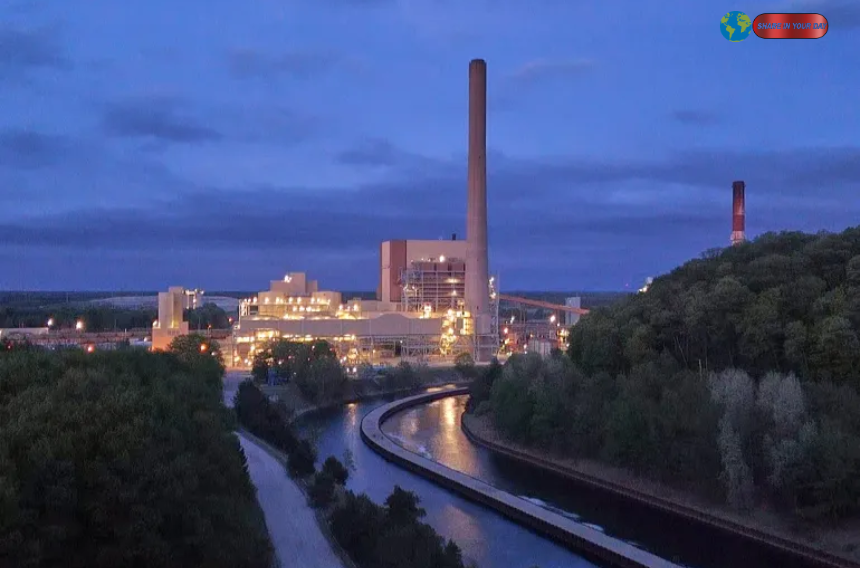
The ruling concerns the J.H. Campbell power plant in West Olive, Michigan. The facility had been scheduled to retire, but the Energy Department used emergency authority to require it to remain operational. The administration argued that keeping the plant online was necessary to protect the reliability of the regional electricity system.
The court disagreed.
Court Says Emergency Powers Were Misused
The US Court of Appeals for the District of Columbia Circuit ruled unanimously against the Energy Department’s order. The judges found that the department had exceeded the authority granted to it under a rarely used emergency provision of the Federal Power Act.
The decision is important because emergency powers are intended for extraordinary circumstances rather than as a routine way to prevent power plants from closing.
The Trump administration had argued that rising electricity demand created a serious reliability concern. One factor behind that demand has been the rapid expansion of data centres, which require large amounts of electricity to operate.
However, Michigan officials challenged the federal order, arguing that the plant’s continued operation was unnecessary and placed additional financial pressure on electricity customers.
The court ultimately sided with the state.
Michigan Coal Plant Created Financial Pressure
The dispute was not only about energy policy. It also involved the cost of keeping an ageing facility running.
The J.H. Campbell plant’s continued operation generated substantial expenses. According to court-related reporting, the operator had incurred hundreds of millions of dollars in costs, with the financial burden potentially reaching electricity customers through higher rates. Reuters reported that the plant had accumulated about $259 million in net operating costs through June.
Supporters of the federal intervention have argued that those costs must be considered against the potential consequences of electricity shortages.
The Energy Department has maintained that keeping additional generation available can help prevent blackouts, particularly during periods of extreme demand or difficult weather conditions.
Critics, however, say forcing old coal facilities to remain open can become an expensive solution when cheaper alternatives are available.
That disagreement now sits at the centre of a broader national debate over America’s electricity system.
Trump Administration Faces Broader Coal Challenges
The Michigan coal plant court ruling could have consequences beyond one facility.
The Trump administration has pushed policies designed to support coal generation and extend the operating lives of plants that might otherwise be retired. The Michigan case is one of several legal disputes surrounding the government’s use of emergency powers to keep coal plants operating.
The court’s decision could therefore make it harder for federal officials to rely on emergency authority when attempting to delay planned plant closures.
Environmental groups welcomed the ruling, arguing that the federal government should not use emergency powers to support ageing coal infrastructure without demonstrating a genuine and immediate threat to electricity reliability.
For Michigan and other states, the case also reinforces the question of how much control states should retain over decisions involving local power facilities.
Energy Reliability Remains at the Centre of the Debate
The administration’s argument highlights a growing challenge for the US power grid.
Electricity demand is changing rapidly. Data centres, manufacturing projects, electric vehicles and other large consumers are increasing pressure on power systems in several parts of the country.
That has led policymakers to debate whether older power plants should remain available as a backup while new generation and transmission infrastructure are developed.
Coal remains capable of producing electricity around the clock, but many older facilities are expensive to operate and face growing competition from natural gas and renewable energy.
The US electricity sector has also been shifting away from coal for years. Recent industry data shows that coal’s share of electricity generation has continued to decline as natural gas, solar and wind power expand.
The Michigan dispute reflects that larger transition.
What Happens to the Plant Next?
The court ruling does not erase the wider questions surrounding the future of the J.H. Campbell facility.
The plant’s operator, Consumers Energy, has been reviewing the decision while complying with a temporary federal order that had required continued operation. Reuters reported that the latest operational requirement was expected to keep the facility running until mid-November.
The legal decision could now force federal officials to reconsider how they approach similar facilities.
For residents and electricity customers, the issue will ultimately come down to reliability and cost. Keeping an ageing coal plant open may provide additional generation capacity, but that benefit must be weighed against operating expenses and the environmental consequences of continued coal use.
For the Trump administration, meanwhile, the ruling is a clear legal warning.
A Significant Setback for Trump’s Coal Strategy
The Michigan coal plant court ruling delivers a major setback to the administration’s strategy of using emergency authority to preserve ageing coal generation.
The court did not simply reject the policy on environmental grounds. Instead, it found that the Energy Department had exceeded the legal authority available to it.
That distinction could prove important in future cases.
As the United States faces rising electricity demand and a rapidly changing energy mix, battles over coal plants are likely to continue. Federal officials want to ensure reliable power, while states and environmental groups are challenging efforts that they believe unnecessarily prolong the life of older and more expensive facilities.
The Michigan case now stands as an important test of where that authority ends.