Elon Musk Documentary Trailer Rejected by Major Platforms
A new documentary about Elon Musk is facing an unexpected promotional problem after several of the world’s largest social media platforms reportedly declined to run its trailer as a paid advertisement.
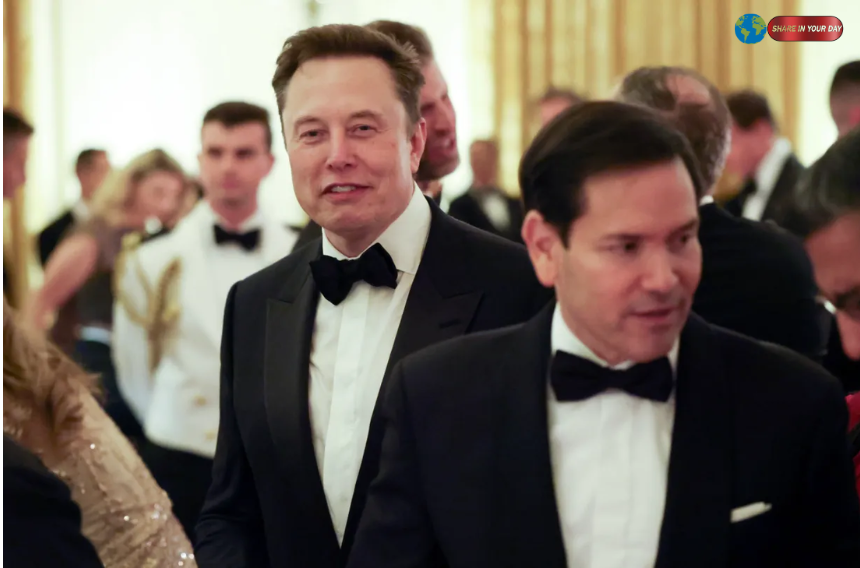
Alex Gibney’s documentary, Musk, is scheduled to arrive in U.S. theaters on October 9. But distributor Bleecker Street has reportedly been unable to secure paid promotion for the film on YouTube, TikTok and Meta-owned Facebook and Instagram. Musk’s own platform, X, has also declined to run advertising for the movie.
The Elon Musk documentary has already attracted significant attention because of its subject and the reputation of its director. Gibney, an Oscar-winning filmmaker known for documentaries examining powerful institutions and individuals, spent years developing the project.
Now, the dispute over advertising is adding another storyline to a film that is already generating controversy.
Elon Musk Documentary Faces Political Content Restrictions
According to The Hollywood Reporter, YouTube, TikTok and Meta gave Bleecker Street explanations connected to “political content” when the distributor attempted to purchase advertising for the trailer. The platforms have different policies governing political advertising, creating questions about why a movie trailer was classified under those rules.
TikTok and Meta have restrictions on campaign and political advertising. Meta’s policy has been shaped in part by concerns that emerged after the Cambridge Analytica scandal surrounding Facebook and the 2016 U.S. election.
The Musk trailer, however, is not presented as a campaign advertisement. It includes footage from a political rally in 2024 and refers to the 2024 election, but the distributor maintains that the material is part of a documentary about Musk rather than an effort to influence voters.
That distinction is at the center of the advertising dispute.
Bleecker Street Appeals the Rejections
Bleecker Street has appealed the decisions made by YouTube, TikTok and Meta.
Meta has rejected the distributor’s appeal, while TikTok and YouTube were still reviewing their respective appeals according to the latest reporting.
The situation is different with X. The platform, which Musk purchased in 2022, has reportedly declined to engage with Bleecker Street about advertising for the documentary. The company has also reportedly refused advertising requests for other films on the distributor’s upcoming release schedule.
The different responses from the platforms have created an unusual promotional challenge for a major theatrical documentary.
A trailer can be publicly available on a platform while still being rejected as a paid advertisement. In this case, the Musk trailer has been released online, but Bleecker Street has faced difficulty using advertising systems to place it in front of targeted audiences.
What Is Alex Gibney’s Musk Documentary About?
The Elon Musk documentary is a roughly four-hour examination of the billionaire entrepreneur and his growing influence across technology, business and politics.
Gibney’s film explores Musk’s rise through companies and projects associated with Tesla, SpaceX and X. It also examines the businessman’s growing public role and his influence over online conversations.
The documentary does not rely on an interview with Musk himself. Instead, Gibney assembled material from other sources and people connected to Musk and his career.
The film’s approach has already generated criticism from Musk. Before its theatrical release, Musk described the project as a “hit piece” and has threatened legal action, according to reporting surrounding the film.
Gibney has nevertheless continued with the project, which premiered at the Venice International Film Festival in September.
The Trailer Highlights Musk’s Public Influence
The newly released trailer presents sharply contrasting views of Musk.
Some voices describe him as a transformational businessman and technological visionary. Others offer much harsher assessments of his personality, leadership and political influence.
The documentary appears particularly interested in the enormous reach Musk has accumulated through his businesses and his ownership of X.
That focus makes the advertising controversy especially notable. The film examines questions about control over information and public discussion, while its distributor is now trying to navigate the content policies of companies that control major online advertising channels.
However, the rejection of paid advertising does not prevent people from watching the trailer itself. The promotional video remains available online even though the platforms have reportedly declined to sell advertising around it.
Musk Documentary Arrives Amid Ongoing Debate
The controversy surrounding the Elon Musk documentary comes at a time when the boundaries between entertainment, politics and social media have become increasingly complicated.
Musk is both a major business figure and an influential participant in political discussions. His ownership of X has made questions about platform governance, moderation and free speech part of the broader public conversation surrounding his career.
That context is unavoidable in a documentary examining his rise.
At the same time, the platforms involved have their own advertising policies, and the reported decisions do not necessarily indicate that the companies are taking a position on the documentary itself. The explanations provided to Bleecker Street have focused on political-content rules.
The distinction between editorial content and paid political advertising is therefore likely to remain an important part of the discussion.
Musk Heads Toward October Release
Despite the advertising setbacks, Musk remains scheduled for a U.S. theatrical release on October 9 through Bleecker Street.
The film has already generated international attention following its Venice premiere, while Universal remains committed to its international release strategy.
For Bleecker Street, the immediate challenge is finding effective ways to promote a four-hour documentary without access to some of the largest paid social advertising networks.
For audiences, the dispute has given Musk another layer of publicity before its theatrical debut.
The documentary was already a closely watched film because of Gibney’s reputation and the prominence of its subject. The unusual advertising battle has now made its release an even more closely followed media story.