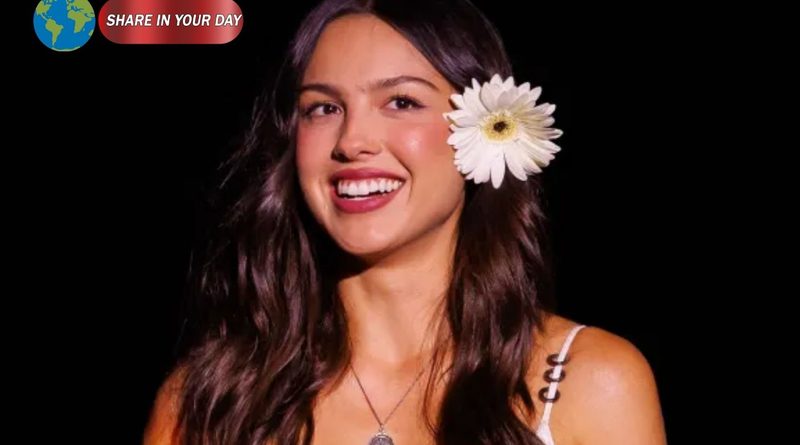
Olivia Rodrigo Daisy Chain Fields: 20M Raised
The Olivia Rodrigo Daisy Chain Fields festival has left its founder reflecting on one of the most emotional experiences of her career after the inaugural event raised a total of $20 million for organizations supporting women and girls.
Rodrigo took to social media after the festival at Great Park in Irvine, California, describing the event as the “greatest joy” of her career. The singer also revealed that a moment at Yoko Ono’s “Wish Tree” installation left her particularly emotional as she considered the hopes and messages shared by festivalgoers.
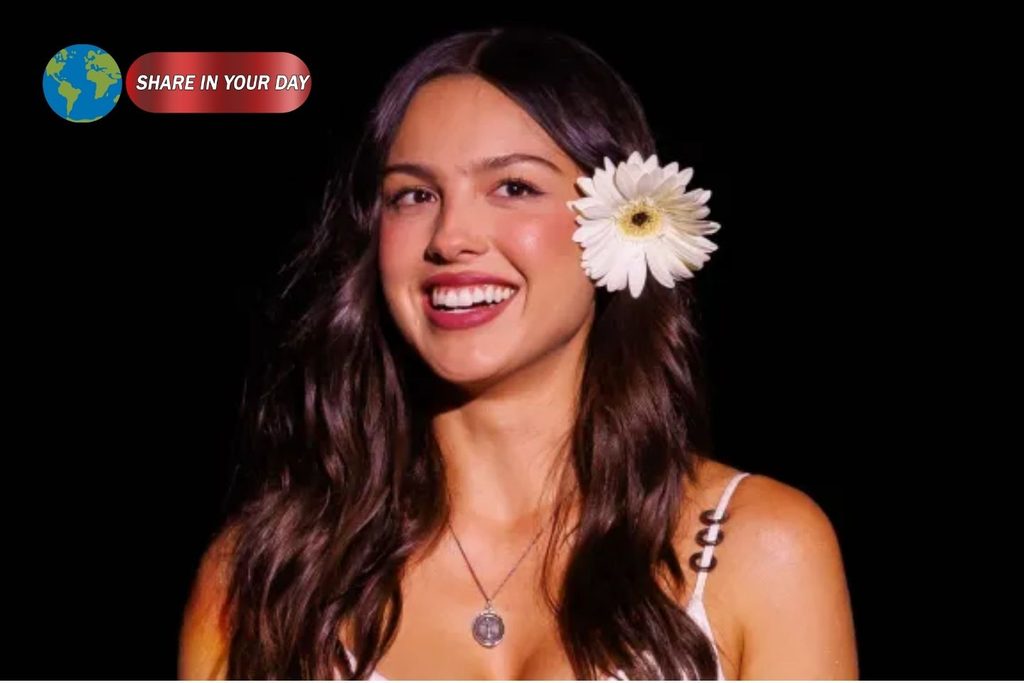
The first Daisy Chain Fields was held August 29 and brought together an all-women lineup that included major contemporary artists and influential figures from previous generations. Chappell Roan, Doechii, Mitski, Bikini Kill, Garbage and other acts performed, while Rodrigo headlined the event with appearances from stars including Stevie Nicks, Sarah McLachlan and Alanis Morissette.
What began as a music festival quickly became something larger for Rodrigo: a celebration of community, female creativity and philanthropy.
And judging by her final message to fans, Daisy Chain Fields may only be getting started.
Olivia Rodrigo Daisy Chain Fields Becomes a Major Success
Rodrigo’s first festival was designed around a straightforward idea: bring women in music together while using the event to support women and girls.
The result exceeded expectations.
Daisy Chain Fields initially generated $10 million for nonprofit organizations working on women’s causes. Philanthropist Melinda French Gates then matched the amount, bringing the total to $20 million.
The fundraising achievement gave the festival a significance beyond its musical lineup.
Rather than functioning solely as another large-scale concert, Daisy Chain Fields was created as a benefit event. Net proceeds were directed toward organizations focused on issues affecting women and girls.
That mission was visible throughout the festival.
Attendees could interact with nonprofit organizations, learn about different causes and participate in a broader environment built around community engagement. The event also included art installations and other experiences designed to complement the performances.
For Rodrigo, the combination of music and social impact appears to have been central to the festival’s identity from the beginning.
Rodrigo Says the Festival Was the Greatest Joy of Her Career
Following the event, Rodrigo shared an emotional message with fans.
She described seeing Daisy Chain Fields become reality as the greatest joy of her career and expressed disbelief that the vision she had worked toward had actually happened.
The singer specifically recalled the atmosphere around the festival grounds.
There were mosh pits influenced by riot grrrl culture, friendship bracelets being made across the grass and young children watching performances from their parents’ shoulders.
Those details mattered to Rodrigo because they illustrated the kind of intergenerational community she hoped Daisy Chain Fields would create.
The festival was not simply about established stars performing for an audience.
It was about different generations of women and girls sharing the same physical space and experiencing music together.
That sense of connection became one of the most important themes in Rodrigo’s post-festival reflection.
The Moment That Made Olivia Rodrigo Emotional
One of the most meaningful moments came after the music had ended.
Rodrigo said that she and her friends walked around the festival grounds trying to process what they had witnessed. They eventually ended the night at Yoko Ono’s “Wish Tree” installation near the festival entrance.
The installation invited visitors to write down wishes and attach them to the tree.
Some of the wishes were humorous and personal. Others were much more serious.
According to Rodrigo, many attendees expressed hopes for peace, happiness for the people they loved and the ability to make a positive difference in the world.
That collective message moved her.
For Rodrigo, the notes demonstrated that people attending the festival were connected by aspirations that extended beyond music.
The experience reinforced the purpose behind Daisy Chain Fields.
At its heart, the festival was about bringing people together around the belief that positive change remains possible.
Rodrigo said the installation reminded her that people are more alike than different and that many ultimately share a desire to help one another and make the world better.
Olivia Rodrigo Daisy Chain Fields Was Built Around Community
The community aspect was one of the festival’s defining characteristics.
Daisy Chain Fields was inspired in part by the legacy of Lilith Fair, the influential women-led touring festival associated with Sarah McLachlan.
That connection was especially meaningful because McLachlan became one of the special guests at Rodrigo’s festival.
The event brought together artists from different eras, creating a lineup that connected contemporary pop culture with the history of women in rock and alternative music.
Chappell Roan and Doechii represented a younger generation of artists who have rapidly become major forces in popular music.
Meanwhile, performers such as Bikini Kill, Garbage and Mitski brought different musical traditions into the same environment. Stevie Nicks, McLachlan and Morissette added another layer of history and star power.
The result was a festival that deliberately avoided being limited to one sound or generation.
Instead, Daisy Chain Fields created a broad musical conversation.
A Festival Inspired by Lilith Fair
The influence of Lilith Fair was difficult to miss.
The 1990s festival became an important cultural moment by creating a large-scale platform for female musicians at a time when women in music frequently faced barriers in touring, radio and festival programming.
Rodrigo’s event carried a similar spirit into 2026.
The goal was not to reproduce Lilith Fair exactly. Instead, Daisy Chain Fields adapted the idea for a new generation.
The festival combined contemporary pop, alternative rock, punk and other styles while emphasizing the importance of women supporting one another.
That intergenerational approach was one reason the event attracted attention beyond Rodrigo’s own fanbase.
It also helped explain why performers from very different musical backgrounds could share one stage.
Melinda French Gates Doubles the Donation
The financial impact of Daisy Chain Fields became even more significant after Melinda French Gates stepped in.
The festival had already raised $10 million, but French Gates matched that amount, taking the total to $20 million.
Rodrigo publicly thanked French Gates and highlighted her work supporting women and girls.
The additional $10 million effectively doubled the charitable impact of the inaugural festival.
For a first-year event, the figure represents an extraordinary fundraising achievement.
It also demonstrates how entertainment can be used to direct large audiences and significant financial resources toward nonprofit organizations.
Instead of the festival’s success being measured only by ticket sales, streaming numbers or social media engagement, its impact can also be measured through the money going toward charitable work.
Why Daisy Chain Fields Matters Beyond Music
Music festivals are often judged by their performers, production and attendance.
Daisy Chain Fields added another measurement: social impact.
The event created a space where entertainment and philanthropy could operate together.
The nonprofit component gave attendees an opportunity to learn about causes affecting women and girls rather than simply watching performances.
That structure also helped distinguish the festival from a traditional celebrity-backed event.
Rodrigo was not merely attaching her name to a charitable campaign.
She helped build a festival around a specific philosophy of collective action, female representation and community.
The concept is particularly relevant at a time when younger audiences increasingly expect artists to engage with social issues.
Rodrigo has already established herself as an artist whose music speaks directly to the experiences of young women. Daisy Chain Fields expanded that relationship beyond recorded music.
It allowed her audience to participate in something larger.
A Powerful Lineup Strengthened the Message
The festival’s lineup was another major reason for its impact.
Chappell Roan and Doechii brought enormous contemporary popularity to the event, while artists such as Mitski, Garbage and Bikini Kill helped create a stronger alternative and rock presence.
Special appearances added even more significance.
Stevie Nicks’ presence gave the event a connection to one of rock’s most enduring performers. McLachlan represented the Lilith Fair legacy that helped inspire Rodrigo’s vision.
Morissette further strengthened the bridge between generations of female artists.
The lineup therefore became part of the festival’s message.
Different generations could occupy the same stage without competing for attention.
Instead, the artists collectively reinforced the idea that success in music can create opportunities for those who follow.
Daisy Chain Fields Also Created a Cultural Moment
The festival quickly became more than a single concert date.
It generated conversations about female representation, philanthropy, music history and the relationship between pop culture and activism.
Reports from the event described a strong sense of community among attendees, with fans embracing the festival’s combination of music and social causes.
The festival also carried a distinctive visual identity.
Its atmosphere blended elements of riot grrrl culture, vintage fashion and flower-child aesthetics. That helped distinguish Daisy Chain Fields from more conventional major music festivals.
The result was an event that felt deliberately connected to both the past and the present.
Rodrigo’s generation brought its own interpretation of female empowerment, while older artists provided a living connection to the movements that came before.
Olivia Rodrigo Hints at a Return
Perhaps the clearest indication that Daisy Chain Fields was successful is Rodrigo’s closing message.
She ended her reflection with a simple promise: “Until next yearrrrr.”
The wording was playful, but the implication was significant.
Rodrigo appears to be thinking about Daisy Chain Fields as an ongoing event rather than a one-time experiment.
That would give the festival an opportunity to develop its identity over time.
Future editions could introduce new artists, expand the nonprofit component and build an even larger community around the concept.
For Rodrigo, that could also create a new dimension of her career.
She is already an internationally successful recording artist and performer. Through Daisy Chain Fields, she is beginning to establish herself as a curator and festival organizer as well.
That is a very different responsibility.
What Comes Next for Daisy Chain Fields
The success of the inaugural event creates a strong foundation for future editions.
The most obvious question is whether Rodrigo can maintain the same combination of musical quality, charitable impact and community engagement.
The $20 million fundraising total sets an extremely high benchmark.
Future festivals will also have to preserve the atmosphere that made the first event distinctive.
Daisy Chain Fields worked because it did not feel like a conventional festival with a charitable message added afterward.
The charitable mission was integrated into the event itself.
That could become the most important part of its long-term identity.
If Rodrigo continues that approach, Daisy Chain Fields could evolve into a major annual platform for women in music and women’s causes.
Olivia Rodrigo’s Bigger Career Moment
The emotional response to Daisy Chain Fields reveals how personally important the project is to Rodrigo.
She has experienced enormous success as a recording artist, but she described this festival as the greatest joy of her career.
That distinction matters.
For an artist who has already performed on some of the world’s biggest stages, creating a platform for other women may have offered a different kind of satisfaction.
Instead of simply being the person audiences came to see, Rodrigo became the person bringing many artists together.
She created an environment where established performers, emerging musicians, fans, families and nonprofit organizations could share the same space.
That is a significant evolution in her public role.
The Legacy of the First Daisy Chain Fields
The inaugural Olivia Rodrigo Daisy Chain Fields festival ended with more than performances and memories.
It raised $10 million directly and, after French Gates matched the amount, created a $20 million pool for women’s charities.
It also connected artists from different generations and gave Rodrigo a new platform for turning her values into action.
Most importantly, the festival appears to have achieved the emotional goal Rodrigo wanted from the beginning.
People gathered to listen to music, celebrate one another and imagine a better future.
Her reaction to the wishes left on Ono’s tree suggests that the emotional impact came not from one headline performance but from thousands of individual moments happening throughout the day.
That may ultimately become Daisy Chain Fields’ defining characteristic.
The festival was created around the belief that joy, music and collective action can exist together.
And after its first edition, Rodrigo seems determined to keep that idea alive.
With her promise of “Until next yearrrrr,” the next chapter of Daisy Chain Fields may already be underway.