ChatGPT Image Engine Revealed: A Major Leap in AI Design
The new ChatGPT image engine is rapidly emerging as one of the most significant upgrades in artificial intelligence tools in 2026. Developed by OpenAI, the latest system—often referred to as “Images 2.0”—pushes AI-generated visuals beyond novelty and into practical, real-world usability.
According to a recent hands-on report, the updated engine introduces stronger reasoning capabilities, sharper text rendering, and improved design control—features that aim to solve long-standing issues in AI image generation.
For businesses, designers, and everyday users, this marks a turning point.
What Is the ChatGPT Image Engine?
The ChatGPT image engine is part of OpenAI’s broader push to integrate advanced visual generation directly into ChatGPT. It allows users to create detailed images simply by describing what they want in natural language.
Unlike earlier tools such as DALL·E, this new system is more deeply integrated with reasoning models, enabling it to understand context, structure layouts, and even generate multiple related visuals in a single request.
This evolution transforms AI from a creative assistant into something closer to a full design partner.
1. Smarter Image Creation With “Thinking Mode”
One of the most groundbreaking features of the ChatGPT image engine is its new reasoning capability, often described as a “thinking mode.”
This allows the system to:
- Analyze prompts more deeply
- Plan image composition before generating
- Incorporate logic into visual design
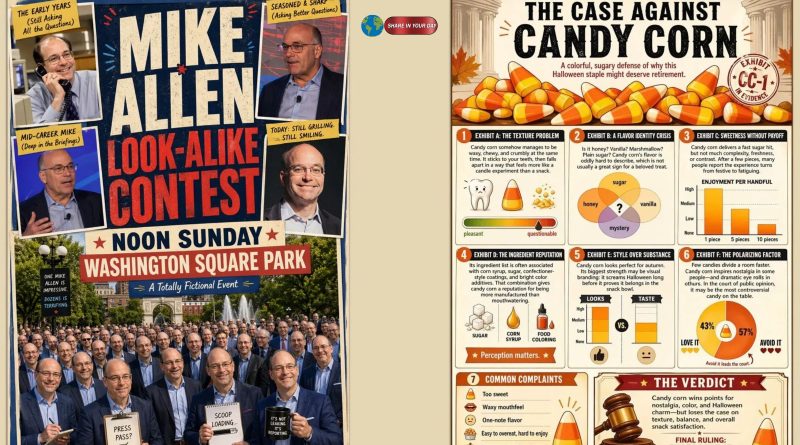
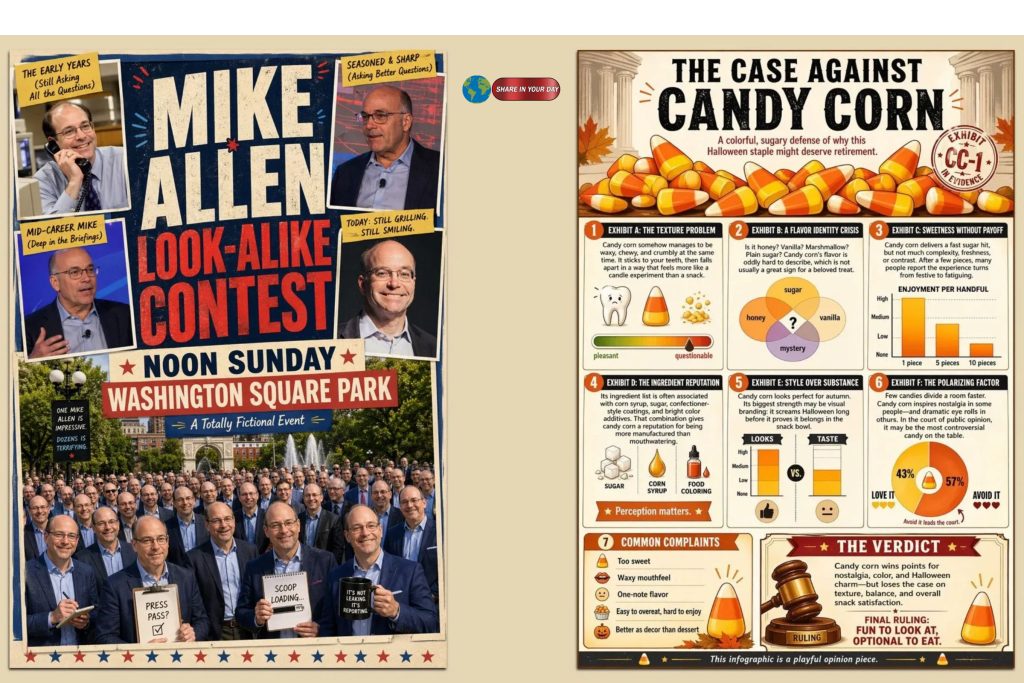
In testing, the engine successfully created complex outputs like infographics and structured visuals—tasks that were previously difficult for AI tools.
However, the feature is not perfect. In some cases, the system still relies on outdated or approximate information when generating content, highlighting the limits of current AI reasoning.
2. Dramatically Improved Text Rendering
For years, one of the biggest weaknesses in AI-generated images has been text.
Misspelled words, distorted letters, and unreadable fonts made it difficult to use AI visuals in professional settings. That’s now changing.
The new ChatGPT image engine delivers:
- Clear, readable typography
- Accurate spelling in most cases
- Better alignment and formatting
This improvement alone significantly expands its usefulness for marketing materials, presentations, and educational content.
3. Real Design Applications, Not Just Art
Earlier AI image tools were often used for creative experimentation—fun, but not always practical.
The updated engine shifts focus toward real-world applications, including:
- Social media graphics
- Advertising visuals
- Product mockups
- Infographics
- UI/UX prototypes
This marks a strategic pivot. Instead of generating random art, the ChatGPT image engine now aims to produce usable assets that can go directly into production workflows.
4. Multiple Images From a Single Prompt
Another major upgrade is the ability to generate multiple related images at once.
Users can now:
- Create entire visual sets
- Maintain consistent characters or branding
- Produce variations for campaigns
For example, a single prompt could generate a sequence of images for a marketing campaign or a storyboard for a video project.
This level of consistency was previously difficult to achieve with AI tools, making the new system especially valuable for professionals.
5. Flexible Layouts and Aspect Ratios
The ChatGPT image engine also introduces greater control over image dimensions and composition.
Users can now generate images in various formats, including:
- Wide banners (3:1)
- Vertical posters (1:3)
- Standard square formats
This flexibility makes it easier to create visuals tailored for specific platforms like Instagram, websites, or presentations.
Additionally, the system demonstrates improved layout awareness, meaning elements are placed more logically within the frame.
6. Multilingual Text Support
A standout feature of the new engine is its improved handling of non-English languages.
The system can now generate text in languages such as:
- Japanese
- Chinese
- Hindi
- Korean
- Bengali
This is particularly important for global businesses and creators, as it enables the production of localized content without relying on separate design tools.
While not flawless, the improvement represents a major step toward truly global AI design capabilities.
7. Still Not Perfect: Limitations Remain
Despite its advancements, the ChatGPT image engine is not without flaws.
Some limitations include:
- Occasional outdated or incorrect information
- Inconsistent performance in complex prompts
- Slight delays due to reasoning processes
For example, in one test, the system generated a mock newspaper using outdated headlines instead of real-time data.
These issues highlight an important reality: while AI is improving rapidly, it still requires human oversight.
Why This Upgrade Matters for the Future
The release of the ChatGPT image engine signals a broader shift in how AI is used.
Instead of focusing purely on automation, companies like OpenAI are building tools that enhance human creativity and productivity.
This has several implications:
For Businesses
Companies can reduce reliance on expensive design software and speed up content creation.
For Creators
Artists and designers gain a powerful tool for brainstorming and prototyping ideas.
For Everyday Users
Anyone can now create professional-quality visuals without technical skills.
Competition in the AI Image Space
The launch also intensifies competition in the AI industry.
OpenAI faces growing pressure from tech giants developing similar tools. The race is no longer just about generating images—it’s about creating systems that understand context, follow instructions precisely, and integrate seamlessly into workflows.
The ChatGPT image engine positions OpenAI as a leader in this space, but the competition is far from over.
The Bigger Picture: AI as a Creative Partner
What makes the ChatGPT image engine truly significant is not just its features—but what it represents.
AI is evolving from:
- A tool that generates content
➡️ Into - A system that collaborates with humans
By combining reasoning, design awareness, and multilingual capabilities, the new engine moves closer to functioning as a creative partner rather than just a generator.
Final Verdict
The ChatGPT image engine is a major step forward in AI-powered design.
With improvements in text rendering, reasoning, and usability, it addresses many of the shortcomings that previously limited AI-generated visuals.
While it still has room to improve, the direction is clear: AI is becoming more practical, more reliable, and more integrated into everyday workflows.
For anyone interested in the future of design, content creation, or digital marketing, this is a development worth watching closely.