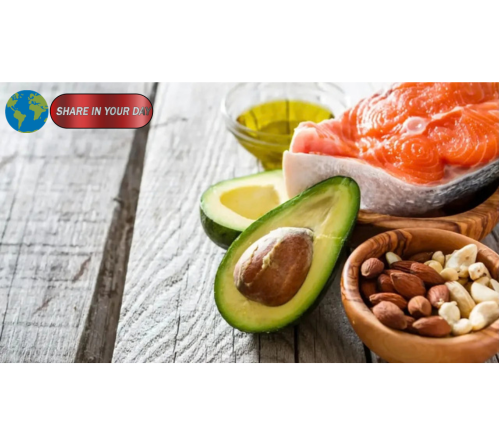
Most Nutritious Foods: 10 Surprising Top Choices
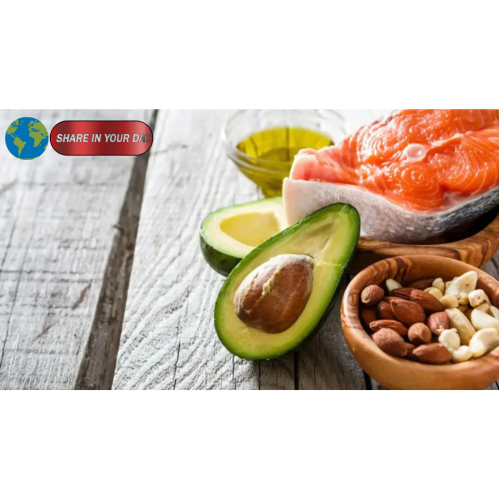
The most nutritious foods may not always be the ones that receive the most attention in everyday diet advice. A new study has introduced a nutritional scoring system that ranks foods according to a much broader range of factors, including vitamins, minerals, protein quality, omega-3 fats, fiber, calorie density and nutrient ratios.
The new Nutritional Value Score, or NVS, was developed to provide a more detailed way of comparing foods. Researchers applied the system to 289 commonly consumed foods from Indonesia, Bangladesh, Kenya, Nigeria and the United States. The results put dark green leafy vegetables, organ meats, fish and seafood near the top of the rankings, while soft drinks, instant noodles, refined grains and several ultra-processed foods landed near the bottom.
The findings also challenge a simple assumption that all foods within a broad category are nutritionally similar. For example, the researchers found significant differences among individual fruits and vegetables. Spinach and guava scored substantially higher than foods such as watermelon and eggplant under the new system.
What makes the most nutritious foods different?
The new scoring system was designed to look beyond one nutrient or one dietary characteristic.
The NVS combines seven weighted components. These include vitamins, minerals, protein, omega-3 fatty acids, fiber, calorie density and ratios involving nutrients such as sodium and potassium, saturated and unsaturated fat, and carbohydrates and fiber. Ultra-processed foods also receive a 25% penalty.
This approach is different from simply asking whether a food is low in fat, low in sugar or low in calories.
A food can be relatively calorie-dense while still providing substantial amounts of important nutrients. Conversely, a food can contain relatively few calories without supplying a wide range of vitamins, minerals, protein or other beneficial dietary components.
The researchers therefore attempted to create a broader measure of nutritional value.
The NVS scores foods on a 1-to-100 scale, with higher scores representing greater nutritional value. The calorie component is handled separately because lower calorie density receives a more favorable score.
The most nutritious foods include dark leafy greens
Dark green leafy vegetables were among the highest-scoring food groups in the study.
Spinach and similar vegetables performed particularly well because they provide a combination of vitamins, minerals, fiber and other nutritional benefits without a high calorie density.
The researchers found that dark green leafy vegetables had a mean NVS above 75, placing the category among the strongest performers overall. Organ meats also had a mean score above 75.
This does not mean that people need to eat enormous quantities of leafy greens at every meal. Instead, the findings reinforce the nutritional value of regularly including nutrient-dense vegetables in a varied diet.
Spinach was also one of the highest-scoring individual foods.
Interestingly, however, the researchers noted that no single food scored highly across every component. Spinach, for example, performed strongly across many measures but had a relatively low omega-3 score.
That observation is important because it demonstrates why dietary variety remains important.
Organ meats make a surprising appearance
One of the most striking findings is the high ranking of organ meats.
Chicken and beef organs were among the individual foods with NVS values above 75. At the broader food-group level, organ meat ranked alongside dark green leafy vegetables at the top of the study.
Organ meats can provide concentrated amounts of several vitamins and minerals, as well as high-quality protein.
However, the study’s ranking should not be interpreted as a recommendation for everyone to eat large amounts of organ meat.
Instead, it demonstrates how different nutrient-profiling systems can produce different results. Traditional food-rating systems may treat organ meats less favorably, while the NVS places greater emphasis on their nutrient density and nutritional composition.
Individual dietary needs also vary, so a single ranking cannot determine what every person should eat.
Fish and seafood score highly
Fish and seafood were another major group near the top of the NVS rankings.
The study placed fish and seafood in the moderately high category, while dried fish and shellfish, sardines and other small fish were among the individual foods scoring above 75.
Fish can provide high-quality protein and omega-3 fatty acids, which are among the components considered by the new scoring system.
Small fish can be especially interesting nutritionally because some varieties are eaten whole, providing nutrients that may be concentrated in bones and other parts of the fish.
The findings therefore support the broader nutritional value of including fish and seafood as part of a varied eating pattern.
Dried okra also ranks among the winners
Another unexpected entry among the most nutritious foods was dried okra.
The researchers found dried okra among the individual foods with an NVS above 75. That puts it in the same top-scoring category as several dark green vegetables, organ meats and small fish.
Okra is a vegetable that may receive less attention internationally than spinach or carrots, but its nutritional composition makes it an interesting addition to the list.
The result also highlights one of the advantages of examining individual foods rather than relying solely on broad categories.
Different vegetables can have very different nutritional profiles.
Lentils, eggs and tofu remain strong choices
The list of high-scoring foods is not limited to unusual or unfamiliar ingredients.
Lentils, eggs and tofu all fell into the moderately high NVS category, along with foods such as carrots, almonds, chicken and beef.
This is useful for people who want practical options.
Lentils can contribute plant-based protein and fiber. Eggs provide protein and a range of micronutrients. Tofu offers another plant-based protein option.
These foods also illustrate why a healthy diet does not need to depend on one particular dietary philosophy.
The NVS includes foods from plant and animal sources, allowing comparisons across different food categories.
Guava scores higher than watermelon
One of the more surprising findings concerns fruit.
People are often encouraged to eat more fruit without making much distinction between individual varieties. The new study suggests that there can be substantial nutritional differences within the fruit category.
Guava received a higher NVS than watermelon. Both can be part of a healthy diet, but the researchers’ scoring system found that guava provides a stronger overall nutritional profile under the factors measured.
The same principle applies to vegetables.
Spinach scored higher than eggplant under the NVS.
This does not make watermelon or eggplant unhealthy. Rather, it means that the foods differ in the amount and combination of nutrients represented by the scoring system.
The distinction is important because food rankings can easily be misunderstood as a simple “good versus bad” list.
Some familiar foods scored surprisingly low
At the opposite end of the rankings were several foods that are common in modern diets.
Soft drinks were among the lowest-scoring categories. Grain-based baked sweets, instant noodles, packaged ultra-processed salty snacks and other sweets also received low scores. Refined grains were another relatively weak category.
At the individual-food level, the lowest scores included Gatorade, cola, congee, instant noodles, several ultra-processed foods, coconut and white rice products.
These results should again be interpreted within the context of the scoring system.
A low NVS does not necessarily mean that a food must never be eaten. Instead, it indicates that the food provides less nutritional value according to the specific combination of measures used by the researchers.
Why refined grains scored poorly
Refined grains performed less well than many nutrient-dense whole foods.
The researchers placed refined grains in the moderately low range, while the broader category of ultra-processed foods and refined products occupied much of the lower end of the rankings.
Refinement can remove portions of a grain that contain fiber and micronutrients. Although some refined grain products are fortified, the NVS attempts to consider the overall nutritional composition rather than focusing on a single added nutrient.
White rice products also appeared among the lowest-scoring individual foods in the study.
This does not mean rice has no place in a balanced diet. Rice remains a major staple food for billions of people, particularly across Asia.
Instead, the study illustrates why the nutritional value of a staple can depend on the specific variety, preparation and overall diet in which it is consumed.
How the new score compares with other food ratings
The NVS was also compared with existing systems including Nutri-Score and the Health Star Rating.
Researchers found moderate overall correlations with both systems but said the new score provided greater discrimination between individual foods within broad categories.
That difference is particularly important for fruits and vegetables.
Under some existing systems, many fruits and vegetables receive similarly favorable classifications. The NVS, by contrast, was designed to distinguish between foods with substantially different nutrient profiles.
For example, the study found that guava and spinach ranked considerably higher than watermelon and eggplant.
The researchers argue that this provides a more detailed picture of nutritional value.
The study does not mean every person should follow the ranking
Despite the attention surrounding the findings, the NVS should not be treated as a universal diet plan.
The researchers describe the system as a tool for research, policy and comparisons involving nutritional value, affordability and environmental impacts. They also emphasize that further validation is needed.
There are limitations.
Some nutritional data came from U.S. databases because detailed local information was not always available for every food. The scoring system also does not capture every possible characteristic that could affect food quality, including some bioactive compounds and other aspects of food composition.
The researchers also found that rankings could change depending on whether food was evaluated by mass or by energy content.
That means the NVS should be considered a promising nutritional research tool rather than a final authority on what everyone should eat.
The biggest lesson is dietary variety
Perhaps the most useful message from the study is not a single “superfood.”
The researchers found that no food scored highly across every nutritional component. That means relying heavily on one food, even one that ranks extremely well, would not provide every nutrient the body needs.
Instead, the findings support a varied dietary pattern that includes different sources of protein, vegetables, fruits, legumes, nuts, seeds and other whole foods.
Dark leafy greens can contribute vitamins and minerals. Fish can contribute protein and omega-3 fats. Legumes can provide fiber and plant protein. Eggs and other nutrient-dense foods can add additional vitamins, minerals and protein.
The goal is therefore not to identify one perfect food.
It is to build meals from a range of foods that collectively provide the nutrients the body needs.
What the most nutritious foods ranking means for everyday eating
The new research offers a useful reminder that the word “healthy” can be too broad.
Two foods in the same category can have very different nutritional profiles. A fruit is still fruit, and a vegetable is still a vegetable, but their vitamin, mineral, fiber and other nutrient contents can vary substantially.
The most nutritious foods identified by the NVS include familiar choices such as spinach, fish, eggs and lentils, alongside less commonly discussed foods such as dried okra and organ meats.
At the same time, the lowest-scoring foods included many products associated with ultra-processed diets, such as soft drinks, instant noodles, packaged snacks and sweet baked products.
The findings do not require people to eliminate every food with a low score.
Instead, they offer another way to think about food quality: nutritional value is about much more than calories, sugar or fat alone.
For everyday eating, the practical takeaway is relatively simple. Favor a diverse selection of minimally processed, nutrient-dense foods, include plenty of vegetables and other whole foods, and avoid allowing highly processed products and sugary beverages to dominate the diet.
The new NVS may eventually help researchers and policymakers make more detailed comparisons between foods. For consumers, however, its most valuable lesson may already be clear: not all foods within the same category are nutritionally equal, and variety remains one of the strongest foundations of a balanced diet.