
Iran Strait of Hormuz Crisis Revealed: 5 Shocking Risks Rising
The Iran Strait of Hormuz crisis has rapidly emerged as one of the most dangerous geopolitical flashpoints in 2026, raising alarm across global markets and diplomatic circles. As tensions between Iran and the United States intensify, the strategic waterway—responsible for a significant share of the world’s oil transport—has become the center of a volatile standoff.
Meanwhile, a fragile ceasefire between Israel and Lebanon adds another layer of uncertainty to an already unstable region. Although diplomatic efforts continue, the risk of escalation remains high, with military movements and aggressive rhetoric shaping the current landscape.
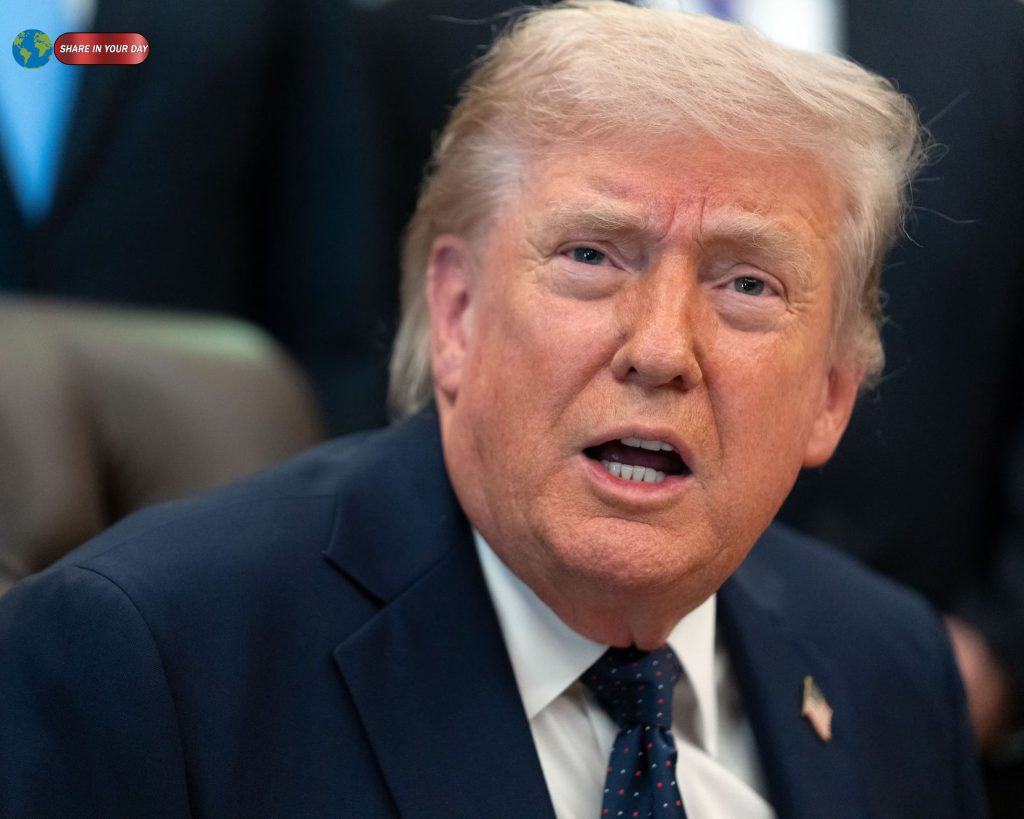
Rising Tensions in the Strait of Hormuz
The Iran Strait of Hormuz crisis is largely defined by increasing military activity in and around the narrow waterway. This critical shipping route connects the Persian Gulf to global markets, making it essential for international energy supply chains.
Recent developments indicate that naval forces have stepped up operations, including mine-clearing missions and vessel inspections. Reports suggest that the United States has taken a more aggressive stance, authorizing direct action against potential threats in the region.
Iran, on the other hand, has responded with its own show of force. The seizure of vessels and warnings of retaliation signal that Tehran is prepared to defend its strategic interests. As a result, the situation has become a high-stakes standoff with global implications.
Why the Strait Matters to the World
The importance of the Iran Strait of Hormuz crisis cannot be overstated. Approximately one-fifth of the world’s oil supply passes through this narrow corridor. Any disruption—whether temporary or prolonged—could send shockwaves through global markets.
Oil prices have already shown signs of volatility, reacting to each new development in the region. Analysts warn that even a partial blockade could lead to sharp increases in energy costs, affecting everything from transportation to manufacturing.
Furthermore, countries heavily dependent on imported energy are closely monitoring the situation. The economic ripple effects of a prolonged crisis could extend far beyond the Middle East.
Fragile Ceasefire Between Israel and Lebanon
While the Iran Strait of Hormuz crisis dominates headlines, the situation along the Israel-Lebanon border remains a critical concern. A temporary ceasefire has been extended, offering a brief pause in hostilities.
However, the ceasefire is far from stable. Isolated incidents and reports of violence continue to surface, highlighting the fragile nature of the agreement. The death of civilians and journalists has further intensified tensions, drawing international attention.
Diplomats are working to maintain the ceasefire, but the risk of renewed conflict remains ever-present. If the situation deteriorates, it could further complicate efforts to stabilize the broader region.
Diplomatic Efforts Face Major Obstacles
Efforts to de-escalate the Iran Strait of Hormuz crisis are ongoing, but progress has been slow. Planned negotiations between key stakeholders have faced delays, and major मुद्दes remain unresolved.
Key sticking points include:
- Sanctions relief
- Maritime security guarantees
- Nuclear program concerns
Despite public statements expressing a willingness to reach an agreement, both sides appear unwilling to make significant concessions. This has led to a diplomatic stalemate, increasing the likelihood of further tensions.
Military Strategy and Power Dynamics
The Iran Strait of Hormuz crisis also highlights shifting power dynamics in the region. The United States has emphasized its military presence, aiming to secure shipping lanes and deter aggression.
At the same time, Iran has demonstrated its ability to challenge these efforts through asymmetric tactics. These include:
- Naval maneuvers
- Strategic seizures
- Regional alliances
This complex interplay of power makes the situation difficult to predict. While neither side may seek full-scale war, the risk of miscalculation remains high.
Global Economic Impact
The economic implications of the Iran Strait of Hormuz crisis extend far beyond oil prices. Financial markets have reacted cautiously, with investors closely tracking developments in the region.
Key impacts include:
- Increased energy costs
- Supply chain disruptions
- Market volatility
In addition, industries reliant on stable fuel prices—such as aviation and shipping—are particularly vulnerable. Governments around the world are preparing contingency plans to mitigate potential disruptions.
5 Key Risks to Watch
The Iran Strait of Hormuz crisis presents several critical risks that could shape the coming weeks:
1. Full Maritime Blockade
A complete closure of the strait would have immediate and severe consequences for global trade.
2. Direct Military Confrontation
An incident involving naval forces could quickly escalate into a broader conflict.
3. Collapse of Ceasefire Agreements
Renewed fighting between Israel and Lebanon could destabilize the region further.
4. Oil Price Shock
A sudden spike in prices could trigger economic instability worldwide.
5. Diplomatic Breakdown
Failure to reach an agreement may prolong the crisis indefinitely.
What Happens Next?
The future of the Iran Strait of Hormuz crisis remains uncertain. While diplomatic channels are still open, the current trajectory suggests a prolonged period of tension.
Experts believe that the next phase will depend on several factors, including:
- The outcome of ongoing negotiations
- Military actions in the region
- International pressure on both sides
In the meantime, global leaders are urging restraint, emphasizing the need for dialogue over confrontation.
Conclusion
The Iran Strait of Hormuz crisis represents a critical moment in global geopolitics. With military tensions rising and diplomatic progress stalled, the risk of escalation cannot be ignored.
At the same time, the fragile ceasefire between Israel and Lebanon underscores the broader instability of the region. Together, these developments paint a picture of a world on edge, where a single misstep could have far-reaching consequences.
As the situation continues to evolve, one thing is clear: the stakes have never been higher