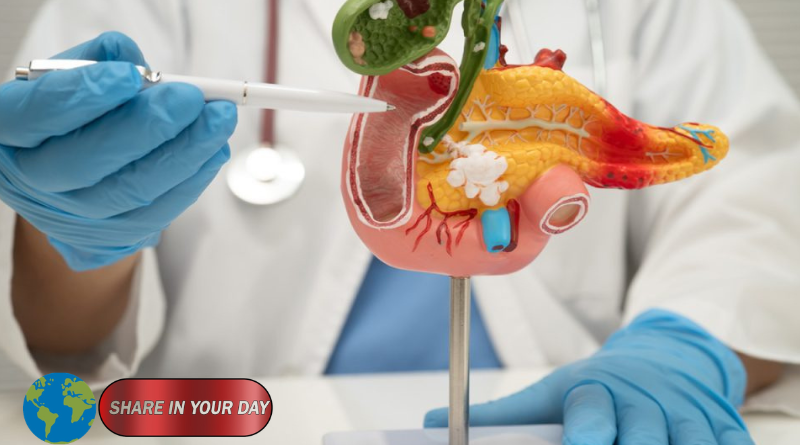
Pancreatic Cancer Breakthrough Brings New Hope to Patients
A major pancreatic cancer breakthrough is offering renewed hope to patients and doctors alike, as several cutting-edge treatments—including experimental drugs and personalized vaccines—show promising results in clinical trials.
For decades, pancreatic cancer has remained one of the deadliest forms of cancer, with survival rates stubbornly low and treatment options limited. However, recent developments suggest that the tide may finally be turning.
New therapies targeting genetic mutations, combined with innovative mRNA vaccine technology, are beginning to reshape expectations and potentially extend patients’ lives.
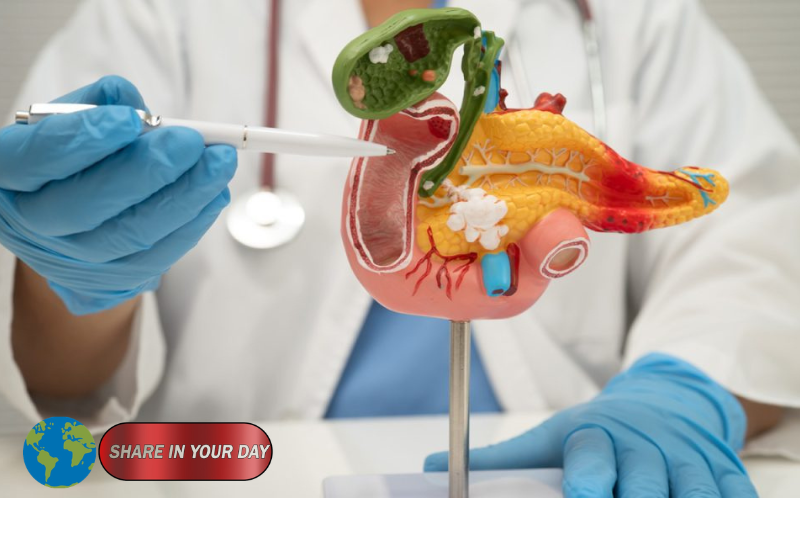
Why Pancreatic Cancer Has Been So Difficult to Treat
Understanding the significance of this pancreatic cancer breakthrough requires recognizing the challenges that have long plagued treatment efforts.
Pancreatic cancer is notoriously difficult to detect early. Symptoms often appear late, and by the time the disease is diagnosed, it has frequently spread to other organs. As a result, survival rates remain extremely low—around 13% over five years.
Additionally, the disease is driven by complex genetic mutations, particularly in the KRAS gene, which has historically been difficult to target with drugs.
The tumor environment itself also acts as a barrier, preventing treatments and immune cells from effectively attacking cancer cells.
Three Promising Treatments Leading the Breakthrough
The current pancreatic cancer breakthrough is not the result of a single discovery, but rather a combination of innovative approaches.
1. Targeted KRAS Inhibitor Drugs
One of the most promising advances comes from drugs designed to target KRAS mutations, a key driver of pancreatic cancer.
A new experimental drug has shown remarkable results in late-stage trials, nearly doubling survival time compared to standard chemotherapy. Patients treated with the drug lived a median of 13.2 months, compared to 6.7 months with traditional treatment.
This marks a significant step forward, as KRAS has long been considered “undruggable.”
By directly blocking cancer growth signals, these drugs offer a more precise and potentially more effective treatment option.
2. Combination Therapy Boosting Survival Rates
Another major development involves combining new drugs with existing chemotherapy treatments.
In one mid-stage trial, patients receiving a combination therapy experienced dramatically improved outcomes. About 44% of patients were still alive after one year, compared to just 22% with chemotherapy alone.
The treatment works by targeting proteins that help tumors grow and evade the immune system, making cancer cells more vulnerable.
Although further testing is needed, researchers believe this approach could become a new standard of care in the future.
3. Personalized mRNA Cancer Vaccines
Perhaps the most groundbreaking aspect of the pancreatic cancer breakthrough is the development of personalized mRNA vaccines.
Unlike traditional vaccines that prevent disease, these vaccines are designed to treat cancer by training the immune system to recognize and attack tumor cells.
In early trials, the results have been striking. Among patients whose immune systems responded to the vaccine, nearly 90% were still alive several years after treatment.
In another study, seven out of eight patients who responded to the vaccine remained alive six years later.
These findings are especially significant given the typically poor prognosis for pancreatic cancer.
How mRNA Vaccines Are Changing Cancer Treatment
The use of mRNA technology represents a fundamental shift in how cancer is treated.
Instead of attacking cancer directly, these vaccines “teach” the immune system to identify cancer cells as threats. This creates a long-lasting immune response that can help prevent the disease from returning.
Each vaccine is tailored to the individual patient, based on the genetic profile of their tumor. This personalized approach increases the likelihood of success.
Experts believe that mRNA vaccines could become a powerful addition to existing treatments, particularly when used after surgery to prevent recurrence.
A Turning Point After Decades of Limited Progress
For years, progress in treating pancreatic cancer has been slow. Traditional treatments such as chemotherapy and radiation have had limited success, and new breakthroughs have been rare.
That is why the current wave of innovation is so significant.
Researchers now see the possibility of combining multiple therapies—targeted drugs, vaccines, and immunotherapy—to create more effective treatment strategies.
Some experts believe this could transform pancreatic cancer from a near-certain death sentence into a manageable condition.
Challenges and Caution Moving Forward
Despite the optimism surrounding this pancreatic cancer breakthrough, experts caution that these treatments are still in development.
Many of the trials involve small numbers of patients, and larger studies are needed to confirm the results.
There are also questions about:
- Long-term effectiveness
- Potential side effects
- Accessibility and cost
- How different treatments can be combined
Additionally, not all patients respond to these therapies, highlighting the need for continued research.
The Importance of Early Detection
While new treatments are promising, early detection remains a critical factor in improving outcomes.
Currently, there is no widely used screening test for pancreatic cancer, and symptoms often appear only in advanced stages.
Researchers are working on new diagnostic tools, including AI-based imaging and genetic testing, to identify the disease earlier.
Combining early detection with advanced treatments could significantly improve survival rates in the future.
Global Impact and Future Outlook
The implications of this pancreatic cancer breakthrough extend far beyond individual patients.
If these treatments continue to show success, they could reshape cancer care worldwide.
Pharmaceutical companies and research institutions are already expanding trials, with larger studies underway to validate the findings.
At the same time, governments and healthcare systems will need to prepare for the integration of these new therapies into standard practice.
What This Means for Patients
For patients and their families, the recent developments offer something that has long been in short supply: hope.
While pancreatic cancer remains a serious and often deadly disease, the emergence of new treatments suggests that better outcomes may soon be possible.
Patients may benefit from:
- Longer survival times
- Improved quality of life
- More personalized treatment options
- Reduced risk of recurrence
Although challenges remain, the progress made in recent trials represents a significant step forward.
Conclusion
The latest pancreatic cancer breakthrough marks a pivotal moment in the fight against one of the world’s deadliest cancers.
With promising results from drug trials, combination therapies, and personalized mRNA vaccines, researchers are entering a new era of innovation.
While more work is needed, the progress so far suggests that the future of pancreatic cancer treatment may look very different from its past.
For the first time in decades, there is real reason to believe that survival rates could improve—and that patients may finally have a fighting chance.