Suggested Featured Image
Use a licensed editorial image showing the Strait of Hormuz, an oil tanker, or the Iran-Oman maritime area. The AP article accompanying this report contains relevant editorial photographs, but verify licensing before republishing any AP image on your website. Original AP News report
Full Article
Strait of Hormuz faces renewed shipping danger
The Strait of Hormuz is again at the center of international attention after an oil tanker was struck by a projectile off Oman, highlighting the continuing risks facing commercial shipping in one of the world’s most important maritime corridors.
The tanker was hit Monday night several miles off Oman’s eastern coast, according to the United Kingdom Maritime Trade Organization. The attack disabled the vessel’s engine, although all crew members were reported safe. There were also no immediate reports of an environmental impact.
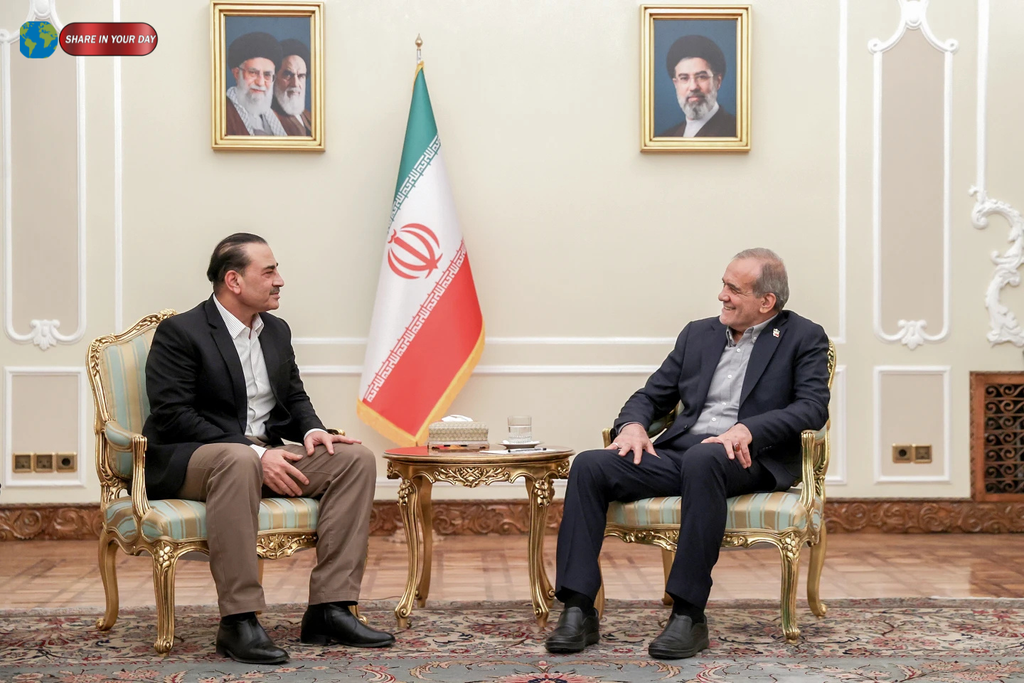
The incident came as diplomatic efforts were simultaneously underway to reduce tensions between Iran and the United States. A senior Pakistani delegation led by army chief Field Marshal Asim Munir had been in Tehran for discussions aimed at reopening the waterway and reviving negotiations to end the conflict.
The combination of renewed attacks at sea and diplomatic activity illustrates the difficult situation surrounding the Strait of Hormuz. While governments are searching for a negotiated solution, commercial vessels continue to face significant uncertainty.
1. Oil tanker disabled after attack near Oman
The latest incident occurred Monday night when an oil tanker was struck by an unidentified projectile near the eastern coast of Oman.
The United Kingdom Maritime Trade Organization said the impact disabled the ship’s engine. However, the crew remained safe, and there were no immediate indications that the incident caused an oil spill or other environmental damage.
No group immediately claimed responsibility for the attack.
The absence of a claim makes it difficult to determine exactly who carried out the strike. Nevertheless, the incident adds to a series of dangers affecting vessels attempting to navigate the region during the ongoing Iran-U.S. conflict.
The stakes are particularly high because of the importance of the Strait of Hormuz to international energy markets. Before the current conflict began, approximately one-fifth of the world’s traded oil moved through the waterway.
Any prolonged disruption could therefore affect far more than countries surrounding the Persian Gulf.
Shipping companies may face higher insurance costs, longer journeys and greater security concerns. Energy markets could also react to uncertainty surrounding the movement of crude oil and other petroleum products.
2. Pakistan pushes for renewed Iran-U.S. negotiations
While the tanker incident demonstrated the military risks in the region, Pakistan was working on the diplomatic side of the crisis.
A Pakistani delegation headed by Field Marshal Asim Munir departed Tehran Tuesday after meeting Iranian President Masoud Pezeshkian and other senior officials.
Pakistan has positioned itself as an important mediator between Tehran and Washington. The country’s officials said the discussions focused on reopening the Strait of Hormuz and restarting negotiations aimed at ending the Iran-U.S. conflict.
Pakistan Interior Minister Mohsin Naqvi described the meeting with Pezeshkian as “very positive and productive,” according to AP.
That language does not necessarily mean a final agreement has been reached. However, it indicates that diplomatic channels remain active despite the continued military confrontation.
Iran and Oman are also working on a proposal concerning the management of the waterway. Oman, which sits on the opposite side of the strait from Iran, has an important geographic position in any effort to restore predictable commercial traffic.
The next stage of diplomacy could therefore involve not only Washington and Tehran, but also regional governments that have a direct interest in keeping maritime trade moving.
3. Why the Strait of Hormuz matters to the global economy
The Strait of Hormuz is a narrow maritime passage connecting the Persian Gulf with the Gulf of Oman and the wider Arabian Sea.
Its geographic position gives it enormous importance for global energy supplies.
Large quantities of oil and other energy products traditionally move through the waterway from producers including Iran, Iraq, Kuwait, Saudi Arabia, Qatar and the United Arab Emirates.
That makes any serious disruption a global economic concern.
A reduction in shipping through the strait can create several effects at once. First, oil buyers may worry about whether sufficient supplies can reach international markets. Second, traders may price additional geopolitical risk into energy contracts. Finally, shipping companies can face increased insurance and operational expenses.
Those costs can eventually reach consumers through higher transportation and energy prices.
The current situation is particularly complicated because Iran is exercising tight control over maritime traffic, while the United States is also operating a blockade of Iranian ports and has fired on vessels, according to AP.
As a result, commercial operators are navigating an environment in which both military and political developments can rapidly change the risks associated with a voyage.
4. Oman becomes increasingly important
Oman’s position makes it an important player in attempts to stabilize the Strait of Hormuz.
The country occupies the southeastern side of the waterway and has historically maintained relationships with different regional and international powers.
That diplomatic position gives Oman a potential role in discussions about maritime management and the resumption of regular shipping.
AP reported that Iran and Oman were finalizing their own proposal for managing the waterway, while Oman’s foreign minister was expected to meet Iranian authorities Tuesday.
Any future arrangement would have to address several difficult questions.
These could include which vessels are permitted to pass, how maritime security would be maintained, whether ships would have to pay fees and what procedures would apply when vessels are suspected of violating agreed rules.
The biggest challenge, however, may be trust.
Commercial shipping depends on predictable rules. If ship operators cannot determine whether a vessel will be allowed through safely, companies may choose to avoid the route even if a formal passage remains technically possible.
5. China objects to expanded U.S. sanctions
The conflict is also creating tensions beyond the immediate maritime theater.
China has criticized planned U.S. sanctions targeting additional entities and individuals linked to Iran, including organizations based in China.
The U.S. Treasury Department announced sanctions against nearly 60 Iran-linked entities, several of them in China. The measures stopped short of imposing secondary sanctions on countries that trade with Iran.
China’s Foreign Ministry said cooperation between China and Iran should not be disrupted or undermined.
China is particularly important to Iran’s economy because it is one of Tehran’s largest trading partners and buys most of Iran’s oil exports.
The sanctions issue therefore adds another layer to the broader crisis.
The conflict is no longer only about military operations between Iran and its adversaries. It is increasingly affecting trade relationships, energy markets, financial restrictions and diplomatic ties between major world powers.
Gaza violence adds to regional instability
The wider Middle East situation also remains volatile.
In southern Gaza, an Israeli airstrike Tuesday killed at least one Palestinian and wounded four others, according to officials at Nasser Hospital in Khan Younis. The Israeli military did not immediately comment on the reported strike.
The development came amid continued violence following a ceasefire attempt that sought to halt more than two years of war between Israel and Hamas.
The region is consequently dealing with multiple interconnected crises. Developments in Gaza, Iran, the Persian Gulf and the West Bank can each influence the political calculations of regional governments.
That makes diplomatic efforts surrounding the Strait of Hormuz even more complicated.
Israeli lawmaker destroys Palestinian memorial
Tensions also rose in the occupied West Bank after far-right Israeli lawmaker Tzvi Succot entered the village of Madama with an Israeli military escort and destroyed a Palestinian memorial.
Video showed Succot using a hammer to demolish the village’s “Martyrs’ Monument.”
The Israeli military said it authorized and provided security for the visit but said Succot’s group went beyond what had been agreed by destroying the monument without authorization.
Succot argued that the monument represented incitement and glorified terrorism. He is associated with the Religious Zionism party and is running in Israel’s upcoming election.
The incident demonstrates how political tensions inside Israel and the occupied West Bank remain closely tied to the wider regional conflict.
A critical test for international diplomacy
The latest developments place the Strait of Hormuz at a critical point.
On one side, there are clear economic incentives to restore safe and predictable maritime traffic. Energy-importing countries want stable supplies, shipping companies need security and regional governments have strong interests in avoiding a prolonged disruption.
On the other side, the military conflict continues to create circumstances in which individual incidents at sea can rapidly increase tensions.
The tanker attack is therefore significant even though all crew members were reported safe and no major environmental damage was immediately identified.
It demonstrates that the risks have not disappeared.
At the same time, Pakistan’s diplomatic initiative offers a potential path toward de-escalation. The reported positive discussions in Tehran suggest that regional mediators still have access to Iranian officials and are attempting to create conditions for renewed negotiations with Washington.
Whether those efforts can produce a lasting agreement remains uncertain.
What happens next in the Strait of Hormuz?
The coming days could be important for both diplomacy and global shipping.
A successful agreement between Iran and the United States could eventually reduce the pressure on commercial vessels and allow shipping activity through the Strait of Hormuz to recover.
However, any additional attack on a tanker could have the opposite effect.
Shipping companies are likely to monitor military warnings, insurance conditions and government guidance before deciding whether to send vessels through the waterway.
Diplomatic progress could also influence oil markets. If traders become more confident that the waterway will reopen fully and remain secure, some of the geopolitical risk premium surrounding energy supplies could ease.
If negotiations fail and attacks continue, concerns about prolonged disruption could intensify.
That is why the latest tanker incident matters beyond the vessel itself. The episode highlights the fragile balance between military confrontation, commercial shipping and diplomatic efforts in one of the world’s most strategically important maritime regions.
For now, the Strait of Hormuz remains both a major pressure point in the Iran-U.S. conflict and a crucial test of whether diplomacy can restore stability to international trade.
The immediate priority for governments and shipping operators is clear: prevent further escalation while finding a reliable framework that allows commercial vessels to move safely.
Until that happens, every new incident in the waterway is likely to receive close attention from energy markets, governments and businesses around the world.
Source & External Reference
Primary source: The Associated Press — Strait of Hormuz and Middle East developments
Editorial note: This article is an original, SEO-oriented rewrite based on the cited AP reporting. It should not be presented as an AP article or reproduce AP’s copyrighted wording. Verify image licensing before publishing any third-party editorial photograph.