Navy Secretary Firing: Trump Ousts John Phelan in Pentagon Shake-Up
The sudden navy secretary firing of John Phelan has sent shockwaves through Washington, marking a dramatic escalation in internal tensions within the Trump administration and the Pentagon.
U.S. President Donald Trump removed Phelan from his post as Secretary of the Navy in April 2026, citing ongoing disputes over shipbuilding strategy and leadership conflicts with senior defense officials.
The move comes at a critical moment for U.S. national security, as the military faces heightened pressure amid rising tensions with Iran and increased naval operations in the Middle East.
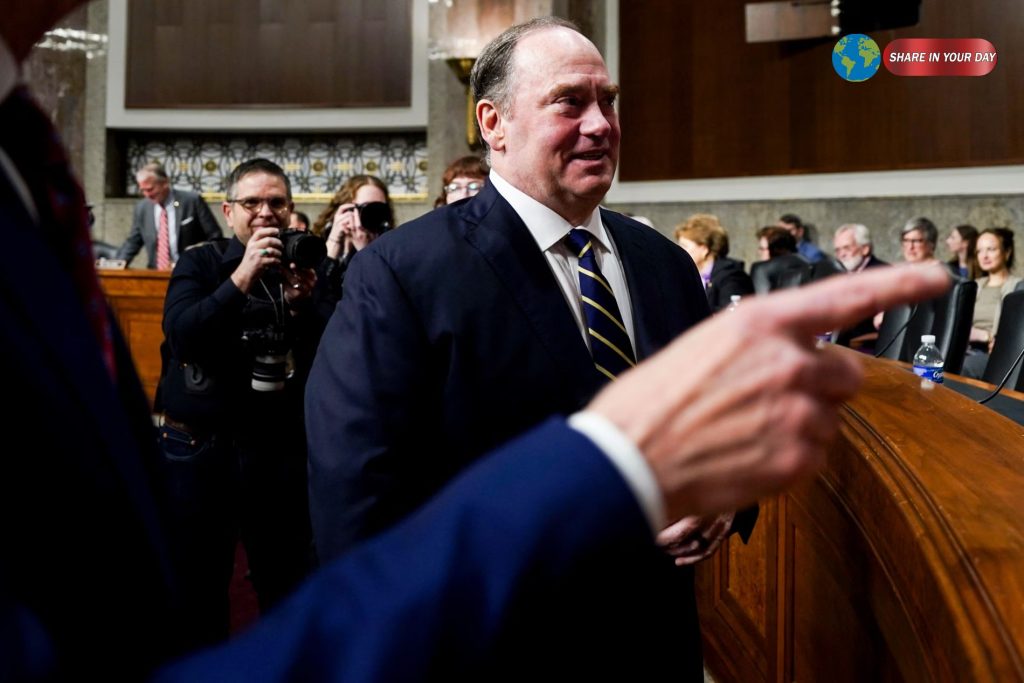
Why the Navy Secretary Firing Happened
At the core of the navy secretary firing were deep disagreements over how to modernize and expand the U.S. Navy fleet.
According to reports, Phelan clashed with Defense Secretary Pete Hegseth and other Pentagon leaders over shipbuilding priorities, timelines, and budget allocations.
Officials reportedly grew frustrated with what they viewed as Phelan’s slow implementation of key reforms and inability to align with the administration’s broader defense strategy.
In particular, tensions escalated over competing visions for the Navy’s future:
- Phelan favored large-scale, high-profile shipbuilding programs
- Pentagon leadership pushed for more agile, cost-effective naval capabilities
These disagreements ultimately led to a breakdown in trust and cooperation, making Phelan’s position increasingly untenable.
Internal Pentagon Conflicts Intensify
The navy secretary firing is part of a broader pattern of internal conflict within the Department of Defense.
Phelan reportedly had strained relationships not only with Hegseth but also with Deputy Defense Secretary Steve Feinberg and his own deputy, Hung Cao.
Feinberg had already begun shifting authority away from Phelan in key areas such as shipbuilding acquisition, signaling a loss of confidence in his leadership.
Additionally, the firing of Phelan’s chief of staff months earlier weakened his internal support, further isolating him within the Pentagon hierarchy.
These mounting tensions created a volatile environment that ultimately culminated in his removal.
Hung Cao Steps In as Acting Navy Secretary
Following the navy secretary firing, Hung Cao was appointed as the acting Secretary of the Navy.
Cao, a former Navy officer and political figure, brings a markedly different background to the role. He is expected to focus on:
- Accelerating shipbuilding programs
- Improving military readiness
- Strengthening recruitment and retention
His appointment signals a shift toward a more aggressive and aligned approach to implementing the administration’s defense priorities.
Timing Raises Strategic Concerns
The timing of the navy secretary firing has raised concerns among analysts and lawmakers, particularly given the ongoing geopolitical tensions in the Middle East.
The U.S. Navy is currently playing a central role in enforcing a naval presence in the Strait of Hormuz, a critical chokepoint for global oil supplies.
While officials have emphasized that Phelan’s removal is unrelated to active military operations, critics argue that such leadership changes during a period of heightened conflict could undermine stability and coordination within the armed forces.
A Broader Pattern of Leadership Turnover
The navy secretary firing is not an isolated incident. Instead, it reflects a broader wave of leadership changes within the Trump administration.
In recent months, several high-ranking officials have been dismissed or replaced, including senior military leaders and cabinet members.
This trend has raised questions about:
- Stability within the administration
- Continuity of defense strategy
- The impact on military morale
Some analysts warn that frequent leadership changes can disrupt long-term planning and weaken institutional cohesion.
Ethics Concerns Add to Pressure
Adding to the complexity of the situation, Phelan’s office was reportedly under an ethics investigation at the time of his dismissal.
While details remain limited, the investigation contributed to the growing pressure on Phelan and may have influenced the decision to remove him.
Ethics concerns, combined with operational disagreements, created a multifaceted crisis that ultimately led to his ousting.
Who Is John Phelan?
Before his appointment as Secretary of the Navy, John Phelan was primarily known as a businessman and investment manager.
He lacked prior military experience, making his appointment somewhat unconventional. However, he was seen as a trusted ally of Trump and a supporter of the administration’s economic and defense initiatives.
During his tenure, Phelan focused on:
- Expanding naval capabilities
- Promoting large-scale shipbuilding projects
- Strengthening U.S. maritime dominance
Despite these efforts, his leadership style and strategic priorities ultimately put him at odds with other key figures in the Pentagon.
Implications for U.S. Military Strategy
The navy secretary firing could have significant implications for U.S. military strategy, particularly in the naval domain.
With Cao now in charge, the Pentagon may pursue:
- Faster implementation of shipbuilding programs
- Greater emphasis on technological innovation
- Increased alignment between civilian and military leadership
These changes could reshape the future of the U.S. Navy and its role in global security.
Political Reactions and Public Response
The decision to remove Phelan has sparked mixed reactions across the political spectrum.
Supporters argue that the move was necessary to ensure effective leadership and accountability within the Navy.
Critics, however, contend that the firing reflects deeper dysfunction within the administration and raises concerns about the politicization of military leadership.
The debate underscores the high stakes involved in managing one of the world’s most powerful military forces.
What Happens Next?
Looking ahead, several key questions remain:
- Will Hung Cao be confirmed as permanent Navy Secretary?
- How will the leadership change impact ongoing military operations?
- Can the Pentagon stabilize its internal dynamics amid continued tensions?
The answers to these questions will shape the trajectory of U.S. defense policy in the months to come.
Conclusion: A Defining Moment for the Pentagon
The navy secretary firing of John Phelan represents a defining moment for the Trump administration and the U.S. military.
It highlights the challenges of balancing political leadership, military strategy, and organizational cohesion in an increasingly complex global environment.
As the Pentagon navigates this transition, the focus will remain on ensuring readiness, stability, and effectiveness in the face of evolving threats.