Google Photos virtual closet reaches iPhone users
Google is bringing a futuristic wardrobe concept from the movies into everyday life. The Google Photos virtual closet is now available to eligible users on both Android and iOS in the United States, India and Brazil.
The AI-powered feature turns clothing that appears in a user’s existing Google Photos library into a digital wardrobe. Instead of manually photographing every item in a closet, users can let Google Photos identify clothing from pictures they have already taken.
The feature was first announced by Google in April and began reaching Android users in June. The latest rollout expands access to iPhone users in the supported markets. TechCrunch+1
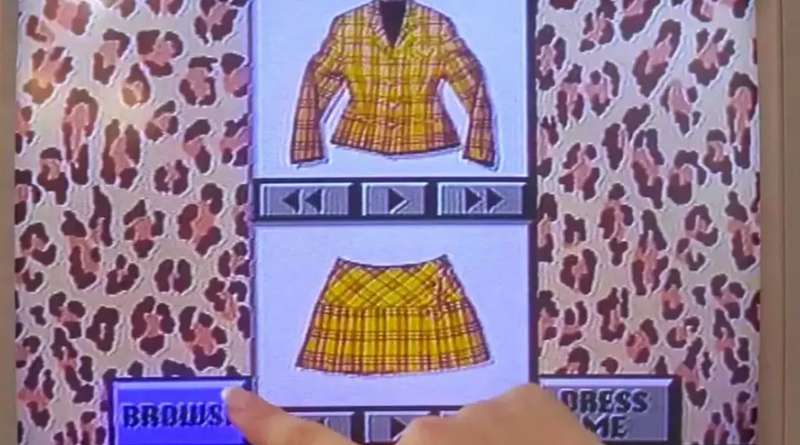
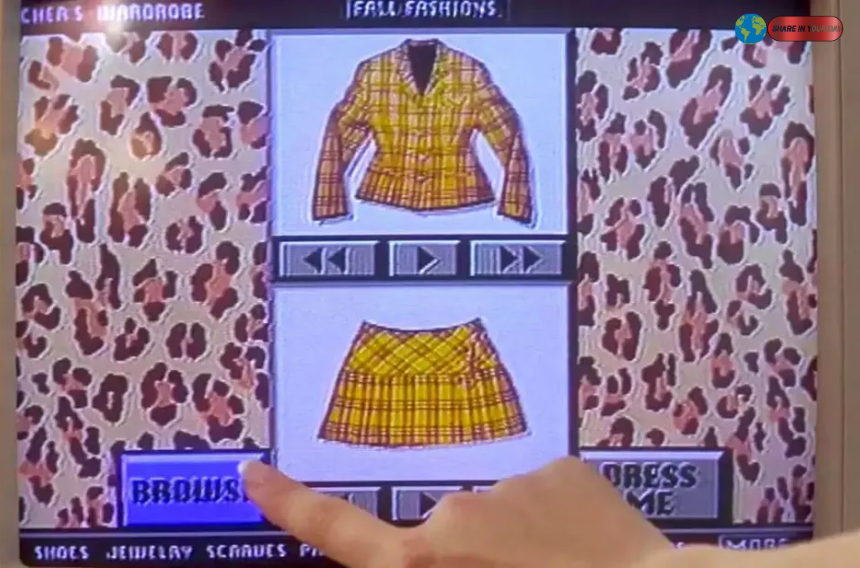
The concept has an obvious connection to Clueless, the 1995 movie in which Cher Horowitz famously uses a computerized wardrobe to decide what to wear. Google’s version replaces the movie’s fictional interface with artificial intelligence capable of analyzing a user’s photo library.
How the Google Photos virtual closet works
The Google Photos virtual closet is designed to create a digital collection from clothes that appear in photos of the user.
Once the feature is available, Google Photos can scan eligible pictures and identify clothing items. Those pieces are then organized inside a dedicated Wardrobe section, allowing users to browse their clothes without searching through years of photographs.
Items can be organized into categories such as tops, bottoms and other types of clothing. Users can also review individual pieces and combine them to create different outfit ideas.
Google’s help documentation says the feature can also support virtual try-ons, allowing users to preview how selected outfits could look on them. Google Help
That makes the tool more than a simple photo-organizing feature. It is designed to turn an existing photo collection into a practical styling tool.
A digital closet without manual cataloging
Traditional wardrobe apps often require users to photograph their clothes individually, upload the images and manually enter information about each item.
Google’s approach is different.
Because Google Photos already contains years of personal pictures, the company can use those images as the starting point for the digital wardrobe. The system searches the photo library for clothing that has appeared in pictures and creates a collection from what it finds.
Google says the feature scans photos of users from the previous four years when building a wardrobe. Eligibility requirements can vary, and Google currently lists availability in the US, India and Brazil. Google Help
For people with large photo libraries, the approach could save considerable time. A jacket worn several times, for example, may already appear in numerous vacation, family or social photographs.
From organizing clothes to planning outfits
The most interesting part of the Google Photos virtual closet is what happens after the clothing has been cataloged.
Users can mix and match pieces to create outfits and organize ideas around different occasions. Google has suggested uses such as preparing looks for travel, work or special events.
The company also allows users to save outfit ideas to moodboards or share them with friends. That gives the feature a social element, particularly for people who like getting feedback before choosing what to wear. blog.google
The virtual try-on capability takes the idea another step further. Rather than simply viewing separate clothing items, users can generate a preview of a selected look.
It is an example of how Google is increasingly using AI to turn its existing photo library from a place for storing memories into a tool for interacting with them.
Privacy remains an important question
The idea of allowing AI to analyze personal photographs naturally raises privacy questions.
Google says information about what users wear and their personal style is not shared with third parties such as retailers. That distinction is important because a digital wardrobe could otherwise become a valuable source of information for advertising and shopping recommendations. TechCrunch
Users should also note that the feature has specific eligibility requirements. Google says users must have an eligible account, meet applicable age requirements and be located in one of the supported countries. Face Groups must also be enabled, and Google lists additional photo-library requirements for some users. GGoogle Help
Google Photos gets more AI features
The wardrobe launch is part of a much larger update to Google Photos.
Google is also introducing new capabilities for editing, organizing and transforming images. One update lets eligible Google AI Pro and Ultra subscribers in the United States use Gemini Spark to select, brighten and share photos with a single prompt.
The Markup tool is also receiving upgrades, including a pen for blurring sensitive information, more precise controls for drawing and additional fonts. Meanwhile, Android users are getting new Moods filters that can give photographs styles inspired by 35mm film and 2000s digital cameras. blog.google
Google is also adding 15 new Remix templates for transforming photos into different creative formats.
Together, the changes show Google’s broader effort to make artificial intelligence a more visible part of everyday photo management.
A familiar movie idea gets a modern upgrade
The Google Photos virtual closet may look familiar to anyone who remembers Clueless, but the technology behind it is considerably different from the fictional system shown in the movie.
Instead of selecting outfits from a manually assembled digital closet, users can now rely on AI to build a wardrobe from photographs they already have.
The feature is currently available to eligible Android and iOS users in the United States, India and Brazil. Google has not announced broader availability beyond those markets in its current rollout information. blog.google+1
For Google Photos users, the change offers a new way to rediscover clothes that may have disappeared from memory — and perhaps make getting dressed a little easier in the process.