Dengue Fever Florida: New Cases Trigger Health Alert
The dengue fever Florida situation is drawing renewed attention as health officials confirm additional locally acquired cases and expand mosquito-control efforts across several counties. Unlike travel-associated infections, locally acquired dengue means people contracted the virus from mosquitoes in Florida, indicating that the disease is circulating within the state.
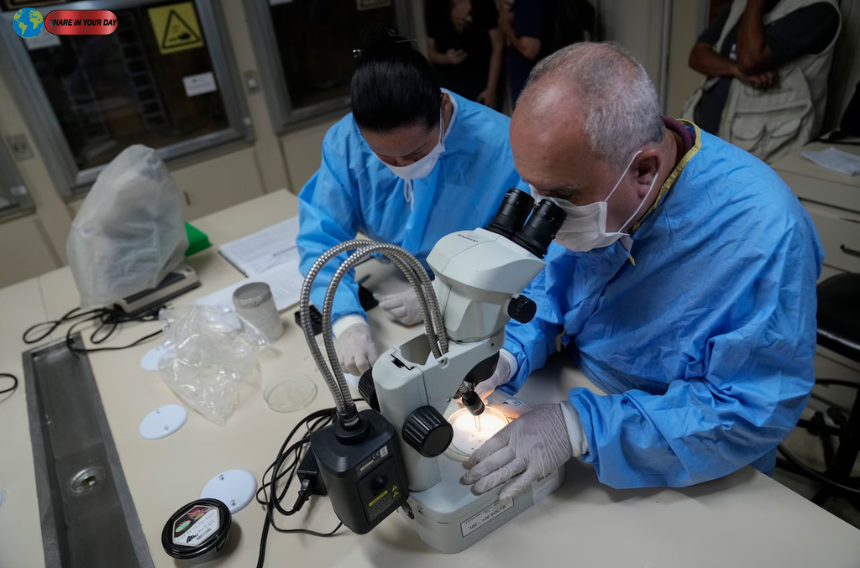
The Florida Department of Health reported 23 locally acquired dengue cases through its Week 32 surveillance report, covering August 9 through August 15. Sixteen of those cases were reported during that week alone, while five mosquito pools also tested positive for dengue virus.
Since then, health officials have announced additional local transmission, including a confirmed case in Citrus County. That development has added another county to the growing geographic picture of dengue activity in Florida.
The increase does not mean Florida is experiencing a statewide outbreak affecting every community. However, officials are urging residents to take mosquito prevention seriously because the mosquitoes capable of spreading dengue are present in many parts of the state.
Dengue Fever Florida Cases Are Increasing
Florida’s official surveillance data provides an important snapshot of the current situation.
As of the state’s Week 32 report, 23 locally acquired dengue cases had been recorded in four counties. Hillsborough County accounted for 15 cases, Miami-Dade reported four, Pinellas reported three and Palm Beach reported one. Fourteen of the cases had onset dates in July, while nine had onset dates in August.
The data also shows that the virus is not limited to one part of Florida.
Hillsborough County, in the Tampa Bay region, has emerged as the most significant cluster in the state’s surveillance figures. Miami-Dade remains another important area of concern, while Pinellas and Palm Beach have also recorded local transmission.
More recent reporting indicates that Citrus County has now confirmed a locally acquired case as well. The county’s case is notable because it represents further geographic expansion of local transmission beyond the counties listed in the earlier state surveillance report.
Health officials are responding by increasing mosquito-control operations, including measures designed to eliminate breeding locations and reduce the number of infected mosquitoes.
What Does Locally Acquired Dengue Mean?
The phrase “locally acquired” is important when discussing dengue fever Florida cases.
A locally acquired infection means a person contracted dengue from a mosquito in Florida rather than becoming infected while traveling to another country or region where dengue is common.
This distinction matters because Florida also reports a much larger number of travel-associated dengue infections.
According to the Florida Department of Health’s Week 32 surveillance report, 86 travel-associated dengue cases had been reported in Florida during 2026 at that point. Miami-Dade accounted for 45 of those cases, while Palm Beach had six and Hillsborough had five.
Travel-associated infections can introduce the virus into areas where competent mosquitoes are present. An infected traveler can carry dengue virus in their bloodstream, and an Aedes mosquito that bites that person can subsequently become infected and transmit the virus to another person.
That is one reason local mosquito surveillance is so important.
The appearance of locally acquired cases does not necessarily mean that every infected person was connected to the same transmission chain. Instead, public health agencies examine individual cases, mosquito samples and geographic patterns to determine where transmission is occurring.
Hillsborough County Has Become a Key Focus
Hillsborough County has recorded the largest concentration of locally acquired dengue cases in Florida’s 2026 surveillance data.
The state reported 15 locally acquired cases there through August 15. All 15 were identified as DENV-2, one of the four dengue virus serotypes.
The mosquito surveillance findings are also significant.
Five mosquito pools in Hillsborough County tested positive for dengue virus. The infected mosquito pools were identified as Aedes aegypti and were associated with DENV-2, matching the serotype found in the county’s human cases.
That evidence gives officials a clearer indication that dengue transmission is occurring in the local environment.
Rather than relying solely on human case reports, mosquito surveillance allows health authorities to identify infected vectors and target mosquito-control measures in areas where transmission is most likely.
The situation has prompted continued mosquito-borne illness alerts in Hillsborough County.
Pinellas County Confirms Local Dengue Cases
Pinellas County has also reported locally acquired dengue infections.
The Florida Department of Health in Pinellas County issued a mosquito-borne illness alert after confirming two locally acquired dengue cases earlier in August. Officials said they were coordinating with Pinellas County Mosquito Control on surveillance and prevention measures.
Those measures included increased truck fogging, aerial larviciding and inspections for mosquito breeding locations.
The county’s response highlights the importance of eliminating standing water.
Aedes aegypti mosquitoes can breed in relatively small amounts of stagnant water around homes and businesses. Containers, plant saucers, buckets, discarded objects and other items capable of holding water can become breeding sites.
Consequently, mosquito control is not limited to large bodies of standing water.
Small household sources can matter as well.
Miami-Dade and Palm Beach Also Reported Cases
South Florida remains an important part of the state’s dengue surveillance picture.
Miami-Dade County confirmed a locally acquired dengue case in early August and issued a mosquito-borne illness alert. The county said it was coordinating surveillance, prevention and control efforts with Miami-Dade County Mosquito Control.
Palm Beach County also reported a confirmed human case of locally acquired dengue and issued a mosquito-borne illness advisory.
These developments demonstrate why Florida health officials continue monitoring mosquito-borne diseases across the state rather than concentrating exclusively on one metropolitan area.
The presence of dengue in multiple counties also means residents should understand the symptoms and basic prevention measures even if they have not recently traveled internationally.
Dengue Fever Symptoms to Watch For
Dengue can cause symptoms that initially resemble other viral illnesses.
Common symptoms include:
- High fever
- Severe headache
- Pain behind the eyes
- Muscle and joint pain
- Nausea
- Vomiting
- Rash
Florida health officials say dengue symptoms can appear within 14 days after a person is bitten by an infected mosquito. The disease is transmitted through mosquito bites and is not spread through ordinary person-to-person respiratory contact.
Some people infected with dengue have mild symptoms or no symptoms at all.
That can make the disease difficult to identify without testing, particularly in areas where physicians may encounter many other causes of fever.
For that reason, people who develop symptoms should tell their healthcare provider about recent travel and potential mosquito exposure.
Severe Dengue Can Become a Medical Emergency
Most dengue infections do not become life-threatening, but severe dengue can occur.
Warning signs can include severe abdominal pain, persistent vomiting, bleeding, extreme weakness, restlessness or breathing difficulties.
People who develop concerning symptoms should seek medical attention promptly.
Treatment for dengue is generally supportive because there is no specific antiviral medication routinely used to eliminate the virus. Medical professionals may monitor hydration, blood counts and other indicators depending on the severity of the illness.
People with suspected dengue are generally advised to avoid aspirin and nonsteroidal anti-inflammatory drugs such as ibuprofen unless a healthcare professional specifically recommends otherwise, because these medications can increase bleeding concerns.
Anyone experiencing significant symptoms should follow medical advice rather than attempting to diagnose or treat dengue independently.
Why Aedes Aegypti Mosquitoes Matter
The dengue fever Florida concern is closely connected to the Aedes aegypti mosquito.
This species is particularly important because it can transmit dengue and is well adapted to warm environments.
Aedes aegypti mosquitoes often live close to people and can breed in containers holding small amounts of water. That makes residential neighborhoods particularly important in mosquito-control efforts.
The Florida Department of Health encourages residents to reduce mosquito exposure and eliminate potential breeding sites around their homes.
Residents can help by regularly emptying containers that collect water, covering water-storage containers, cleaning gutters and removing objects that can hold rainwater.
Even small changes around a property can reduce the number of places where mosquitoes reproduce.
How Florida Residents Can Reduce Dengue Risk
Residents do not need to wait for an official mosquito-borne illness alert before taking precautions.
The most effective steps include:
Remove standing water. Check yards, balconies and other outdoor areas regularly. Empty buckets, flowerpot saucers, toys and other containers that collect rainwater.
Use mosquito repellent. Apply an appropriate insect repellent according to its label directions.
Wear protective clothing. Long sleeves and long pants can reduce exposed skin when mosquitoes are active.
Protect windows and doors. Screens can prevent mosquitoes from entering homes.
Maintain outdoor areas. Keeping vegetation and outdoor spaces managed can make mosquito-control efforts more effective.
Cooperate with local mosquito-control programs. Fogging, larviciding and property inspections may be used when health officials identify increased transmission risk. Pinellas County, for example, has already expanded mosquito-control operations in response to locally acquired cases.
These steps are especially important in communities where local dengue cases or infected mosquitoes have been identified.
Florida’s Dengue Numbers Need Careful Context
The rising number of locally acquired cases is significant, but it should also be viewed in context.
Florida has recorded considerably more travel-associated dengue infections than locally acquired infections during 2026. The state’s Week 32 report listed 86 travel-associated cases compared with 23 locally acquired cases at that point.
That difference matters because it shows that most reported dengue infections in Florida were still associated with travel rather than transmission within the state.
At the same time, locally acquired infections are closely monitored because they demonstrate that mosquitoes in Florida are capable of sustaining transmission.
The discovery of infected mosquito pools in Hillsborough County adds another layer of evidence.
Health officials therefore have two related challenges: preventing infected travelers from introducing the virus into local mosquito populations and limiting transmission when local cases emerge.
Florida Continues Weekly Mosquito Surveillance
The Florida Department of Health publishes weekly arbovirus surveillance reports covering diseases including dengue, West Nile virus, chikungunya and other mosquito-borne infections.
The department’s surveillance page lists weekly reports throughout 2026, allowing officials and the public to track developments over time.
The surveillance system is particularly important during Florida’s warmer and wetter months, when mosquito populations can increase.
Local health departments also issue alerts and advisories when infections are detected.
As of the state’s Week 32 report, Hillsborough, Miami-Dade and Pinellas counties were under mosquito-borne illness alerts, while Alachua, Leon, Palm Beach and Pasco counties were under advisories.
Those designations can change as new cases are identified or transmission declines.
What Comes Next for Dengue Fever in Florida?
The immediate priority for Florida health officials is limiting further mosquito transmission.
The state’s response will depend on continued surveillance of human cases, mosquito populations and infected mosquito pools.
The emergence of a locally acquired case in Citrus County also demonstrates why officials are watching for transmission beyond the counties already identified in earlier surveillance reports.
For residents, the most practical response is straightforward.
There is no reason for widespread panic, but there is a clear reason to take mosquito prevention seriously. Removing standing water, using repellent and seeking medical advice when symptoms appear can reduce individual risk while helping communities limit mosquito transmission.
The broader dengue fever Florida situation also illustrates how travel and local mosquito transmission can intersect.
Florida’s large number of international visitors and residents who travel to dengue-endemic areas means imported infections will continue to occur. When competent mosquitoes are present, however, those imported cases can potentially lead to local transmission.
That is why public health officials continue to emphasize both travel awareness and mosquito control.
For now, the growing number of locally acquired cases is a reminder that dengue is not exclusively a tropical disease encountered abroad. Florida’s climate and mosquito populations can support transmission at home, making awareness and prevention increasingly important as health officials monitor the situation.
Conclusion
The latest dengue fever Florida reports show a developing mosquito-borne disease concern across multiple counties.
Florida recorded 23 locally acquired cases in its Week 32 surveillance report, including a major cluster in Hillsborough County, while Miami-Dade, Pinellas and Palm Beach also reported local infections. Infected mosquito pools in Hillsborough provided additional evidence of local transmission.
More recent confirmation of a locally acquired case in Citrus County indicates that monitoring remains important as officials continue tracking the virus.
Although travel-associated dengue remains much more common in Florida, locally acquired infections deserve close attention because they demonstrate active transmission by mosquitoes within the state.
For Floridians, the message is clear: eliminate standing water, protect against mosquito bites and pay attention to symptoms such as fever, severe headache, muscle and joint pain, nausea and rash.
As Florida’s health agencies continue weekly surveillance, the coming reports will reveal whether local transmission is slowing or spreading into additional communities.