Kelly Clarkson Shares Frustrating Shopping Experience in Brooklyn
Kelly Clarkson Shares Frustrating Shopping Experience in Brooklyn
Singer and television personality Kelly Clarkson has publicly criticized a Brooklyn store after describing what she says was an uncomfortable shopping experience that reminded her of the 1990 romantic comedy Pretty Woman.
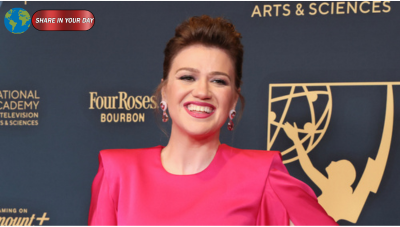
The dispute began when Clarkson shared her experience on social media on October 10, 2026. She said she had driven to Brooklyn to visit a store that caught her attention and had several items she was interested in purchasing. However, she alleged that the interaction with an employee left her feeling as though she had been judged by her appearance and assumed to be unable to afford what she wanted.
Clarkson subsequently identified the business as Art of Play, a New York shop known for unusual objects, magic-related products, and distinctive collectibles. Her comments quickly attracted attention online, turning a personal complaint about customer service into a wider discussion about how shoppers should be treated in retail stores.
The singer’s criticism centered on what she perceived as a condescending offer to find a more affordable alternative rather than taking her purchasing interest seriously.
Why Clarkson Compared the Experience to Pretty Woman
Clarkson’s reference to Pretty Woman drew on one of the film’s most recognizable shopping scenes.
Released in 1990, the romantic comedy stars Julia Roberts as Vivian Ward, a woman who encounters dismissive treatment from salespeople at an upscale clothing boutique. The story later features a memorable return visit in which Vivian confronts the employees who previously refused to treat her respectfully.
Clarkson suggested that her own experience reflected the same kind of judgment based on appearance. Her complaint was not simply about the price of an item but about the way she believed the employee approached her interest in making a purchase.
In her social media post, the singer said she had traveled to the shop because she thought it looked appealing and had specific things in mind to buy. She expressed frustration that the interaction appeared to turn on assumptions about what she could afford.
Her reference to the movie gave the complaint an instantly recognizable cultural comparison, helping the story spread beyond her regular audience.
The incident also raised a familiar question about retail service: should customers have to demonstrate their financial means before receiving respectful attention from a salesperson?
The Disagreement Over a $15,000 Singing Bird
The dispute became more complicated when the store responded to Clarkson’s account.
According to reports, the disagreement involved a bird automaton named Molly, an elaborate mechanical display that Clarkson said carried a visible price tag of $15,000.
Clarkson alleged that when she pointed to the price tag and asked whether the item was available for purchase, an employee indicated that it was for sale but emphasized its cost and offered to find something comparable for her.
The store presented a different explanation. Art of Play said Molly was permanently attached to the wall and was not available for sale. The business described the bird as part of its display and magic-show presentation, disputing the circumstances described in Clarkson’s account.
That difference lies at the heart of the controversy. Clarkson’s description suggests she was discouraged from making a purchase because of assumptions about her finances, while the store says the item itself was not actually available to customers.
Neither account resolves the disagreement on its own, and the conflicting statements have fueled further discussion online.
Clarkson Responds to the Store’s Explanation
Clarkson did not appear satisfied with the store’s response.
On October 11, she returned to the dispute through Instagram Stories, sarcastically questioning the explanation that Molly was not for sale. She maintained that a conversation about purchasing the bird had taken place and challenged the store’s version of events.
Her response was forceful, accusing the business of being both rude and dishonest. She also referred to the price tag she said she had seen, reinforcing her argument that the exchange had occurred as she described it.
The singer’s response made clear that the disagreement was about more than whether a particular decorative object could be purchased. She objected to what she characterized as the employee’s tone and the implication that she should consider a cheaper alternative.
The store, meanwhile, expressed concern about the negative attention surrounding the incident and the backlash directed at its business. Reports also noted that the shop emphasized its intention to welcome customers rather than judge them.
The competing statements have left the public with two different accounts of the same encounter, with the availability of the bird and the employee’s conduct remaining disputed.
Online Reactions Put Customer Service Under the Microscope
The exchange has generated broader discussion about the relationship between customers and specialty retailers.
For some observers, Clarkson’s account highlights the frustration of feeling underestimated or judged when entering a store. Customers generally expect staff to answer questions about products and prices without making assumptions about their financial circumstances.
Others have pointed out that the store’s explanation introduces an important distinction: an item displayed in a retail environment is not necessarily available for purchase. If Molly was a permanent fixture used for demonstrations, that could explain why the business disputed Clarkson’s understanding of the exchange.
The disagreement illustrates how quickly an encounter between a customer and an employee can become a public controversy when competing accounts circulate on social media.
It also demonstrates the challenges small businesses face when responding to criticism from a high-profile figure. Public attention can bring new customers and visibility, but it can also expose employees and owners to intense online scrutiny before every detail has been established.
Kelly Clarkson’s Comments Keep the Dispute in the Spotlight
Clarkson has built a career spanning music, television, and entertainment, making her social media comments particularly influential. Her reputation as a prominent performer and former host of The Kelly Clarkson Show has helped draw attention to the incident.
The singer’s criticism has also given the story an additional layer of irony because her comparison invokes a film specifically remembered for its portrayal of dismissive retail behavior.
For now, the central facts remain straightforward: Clarkson says she was treated condescendingly during a shopping trip to Art of Play, while the store disputes her account of the interaction involving its $15,000 bird automaton.
The disagreement has not established conclusively what was said during the encounter or whether the displayed price tag meant the bird was available for sale.
Ultimately, the controversy serves as a reminder that customer service can shape how people remember a business. Whether the dispute leads to a resolution or continues online, it has placed Art of Play and Clarkson’s account of the visit firmly in the public conversation.