Rafael Camara Haas 2027: Why Speed Won the Seat
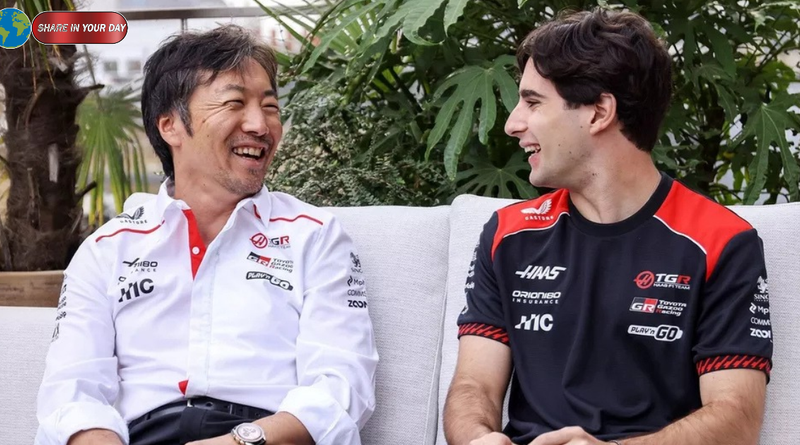
The Rafael Camara Haas 2027 signing marks a major step in the Brazilian driver’s career, with team principal Ayao Komatsu insisting that performance, rather than Ferrari connections, determined the team’s decision. Câmara impressed Haas during a private test in Portugal, demonstrating the speed, adaptability and composure that the team believes are essential for a successful Formula 1 rookie.
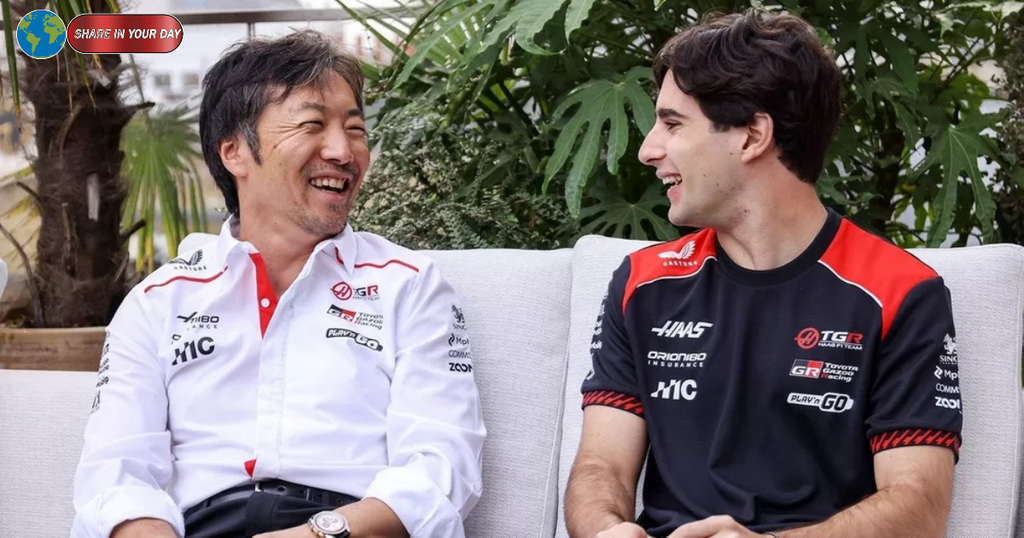
Haas confirmed on October 15, 2026, that Câmara would join the team for the 2027 season on a multi-year contract. The 21-year-old will replace Esteban Ocon, who is leaving the American outfit after two seasons. His promotion follows an impressive rise through the junior categories, including a Formula 3 championship in 2025 and a strong rookie campaign in Formula 2.
Komatsu explained that Haas evaluated several candidates before making its decision. Leonardo Fornaroli, Ryo Hirakawa and Jack Doohan were among the drivers considered as the team assessed its options for the vacant seat.
However, Câmara’s performance in the team’s Testing of Previous Cars programme ultimately separated him from the competition. According to Komatsu, the Brazilian demonstrated an exceptional natural feel for the car and an ability to adapt quickly when track conditions changed.
Rafael Camara Haas 2027 Decision Was Driven by Speed
Komatsu has made it clear that Haas wanted to select the strongest available driver rather than prioritize relationships with its technical partners or junior-driver programmes.
The team has a close relationship with Ferrari, which has supported Câmara through its Ferrari Driver Academy. That connection helped Haas monitor the Brazilian’s development and provided a route for the team to evaluate his potential.
Nevertheless, Komatsu emphasized that access to a promising driver and the decision to sign him were two separate matters.
In comments reported by Motorsport.com, the Haas team principal described Câmara as the quickest driver during the relevant testing evaluations. He said the Brazilian’s speed and feel for the car were the overriding factors behind the decision.
This distinction is important because Haas also maintains a technical partnership with Toyota. The team had considered Toyota-backed driver Hirakawa, alongside other candidates, as it assessed who should fill the available seat.
Komatsu had previously indicated that nationality, commercial considerations and relationships with partner organizations would not outweigh performance.
The decision to sign Câmara therefore reflects the team’s stated approach: identify the driver who can deliver the strongest results and build a development programme around that individual.
Read the original report on Motorsport.com.
Why Câmara Impressed Haas During the Portimao Test
Câmara’s test at Portimao, Portugal, proved decisive in Haas’s driver evaluation.
The programme used older Formula 1 machinery, allowing the team to compare candidates in a controlled environment without relying solely on their performances in other racing categories.
Haas assessed Câmara alongside drivers including Fornaroli, Hirakawa and Doohan. Although all the candidates approached the evaluation professionally, Komatsu highlighted the Brazilian’s ability to adapt as conditions changed throughout the test.
Track temperature, wind conditions and tire behavior can significantly affect the handling of a Formula 1 car. Drivers must recognize those changes quickly and adjust their approach without losing consistency or confidence.
According to Komatsu, Câmara handled those challenges particularly well. He was able to assess the available grip, respond to changing conditions and improve his performance during successive runs.
The team principal was especially impressed by the driver’s composure. Rather than becoming unsettled when conditions became more difficult, Câmara continued working through the available information and extracting performance from the car.
That adaptability matters because Formula 1 drivers rarely encounter identical conditions from one session to the next. Weather, tire degradation, fuel loads and setup changes can all influence how a car behaves.
Haas believes Câmara’s natural feel for the car gives him a valuable foundation as he prepares for the demands of a full Formula 1 season.
Natural Talent Was More Important Than Experience
One of the key considerations in Haas’s decision was the difference between skills that can be developed through experience and qualities that are more difficult to teach.
Komatsu acknowledged that Câmara still has areas to improve. In particular, the Brazilian’s racecraft and consistency have room to develop as he gains more experience in Formula 2 and eventually Formula 1.
However, the team principal believes those weaknesses can be addressed through preparation, coaching and collaboration with the engineering team.
Natural speed and the ability to understand grip levels are more difficult to develop from scratch. For Komatsu, Câmara’s performance at Portimao demonstrated that he already possesses those fundamental qualities.
The assessment also involved more than simply comparing lap times. Formula 1 teams examine how drivers communicate with engineers, interpret feedback, respond to unexpected conditions and make productive use of limited track time.
A driver who can explain what the car is doing and work effectively with engineers can help accelerate development throughout a race weekend.
Câmara’s calm approach and ability to adapt gave Haas confidence that he could learn quickly in a demanding environment.
That does not guarantee an immediate competitive advantage. Every rookie must adjust to the speed, complexity and pressure of Formula 1. However, Haas believes the Brazilian has the underlying ability to make that transition successfully.
Ferrari Connections Opened the Door, but Haas Made the Choice
Câmara’s relationship with Ferrari remains an important part of the story.
The Brazilian joined the Ferrari Driver Academy in 2022, giving him access to a development structure connected to one of Formula 1’s most established organizations.
He won the Formula 3 championship in 2025 and continued his progress with Invicta Racing in Formula 2 during 2026.
Those results helped establish his reputation as a promising young driver. His Ferrari affiliation also made it easier for Haas to follow his development and evaluate his potential before committing to a long-term deal.
However, Komatsu has distinguished between the opportunity created by that relationship and the performance that secured the seat.
Haas’s partnership with Ferrari has previously provided access to emerging talent, including Oliver Bearman. Bearman joined the team as a full-time driver in 2025 after gaining experience through practice sessions and other opportunities.
Câmara’s signing follows a similar broad pathway, although his preparation and circumstances differ from Bearman’s.
The important point is that Ferrari’s support did not remove the need for a competitive assessment. Haas tested multiple candidates and used those evaluations to decide which driver best suited its requirements.
The result also reinforces the growing role of junior-driver development programmes in Formula 1. Teams increasingly evaluate young drivers through a combination of junior-category results, simulator work, private testing and direct feedback from engineers.
For Câmara, the Ferrari connection helped bring him into consideration. His performance at Portimao helped turn that opportunity into a race seat.
Rafael Camara’s Rise Through Formula 3 and Formula 2
Câmara arrives at Haas with an impressive record in junior single-seater racing.
The Brazilian captured the Formula 3 championship in 2025, demonstrating the pace and consistency needed to compete at the front of a competitive field.
He subsequently moved to Formula 2 with Invicta Racing for the 2026 campaign. According to Reuters’ report on the signing, Câmara entered the announcement period leading the championship standings as a rookie.
His results included multiple race victories and pole positions, strengthening his position as one of the leading prospects for promotion to Formula 1.
Formula 2 is widely regarded as an important final step before Formula 1 because drivers must manage high-performance machinery, complex tire demands, strategic decisions and intense competition across different circuits.
Success in the category does not automatically translate into Formula 1 results, but it provides teams with useful evidence of a driver’s potential.
Câmara’s performances in both Formula 3 and Formula 2 helped establish the case for his promotion. The Portimao test then allowed Haas to evaluate him directly in its own machinery.
That combination of competitive results and testing performance proved persuasive.
His immediate priority remains completing the 2026 Formula 2 season strongly before turning his attention to the transition into Formula 1.
What the Signing Means for Haas in 2027
Haas’s decision to recruit Câmara signals continued investment in young talent.
The team has already seen the benefits of developing Bearman, who made his full-time Formula 1 debut with Haas in 2025. Komatsu has spoken positively about the working relationship and the progress achieved through collaboration between driver and team.
The experience gained with Bearman could provide a useful framework for preparing Câmara. Nevertheless, Komatsu has emphasized that each driver has different needs, strengths and weaknesses.
Haas will therefore need to understand how Câmara responds to the demands of Formula 1 and tailor its development programme accordingly.
That process will involve building relationships with engineers, learning the team’s procedures, adapting to race-weekend operations and understanding how to extract performance from the car across different conditions.
The team must also balance its long-term development goals with the immediate need to score points and compete effectively.
A young lineup can provide substantial potential, but it also requires careful management. Rookie drivers inevitably encounter difficult weekends, and their ability to learn from mistakes can be just as important as their outright speed.
Haas will be hoping that Câmara’s adaptability and composure help him make a smooth transition.
Can Câmara Deliver in His Formula 1 Rookie Season?
Câmara’s promotion creates understandable expectations, particularly given his junior-category success and the praise he received from Komatsu.
However, his first Formula 1 season will bring challenges that cannot be fully replicated in a private test.
Race weekends involve changing weather, traffic, tire management, qualifying pressure and strategic decisions. Drivers must also work within strict technical regulations and coordinate closely with engineers to improve the car.
Câmara will need time to learn those demands. His development will depend on how quickly he translates his natural speed into consistent performance over an entire weekend.
The team’s experience with Bearman could prove valuable. Haas has already worked through the process of preparing a young driver for the sport’s highest level and can apply lessons from that experience.
Still, there is no guarantee that both drivers will progress at the same rate. Each rookie develops differently, and the competitive performance of the car will also influence the results they can achieve.
For now, the most encouraging sign is the confidence Haas has placed in Câmara after evaluating him directly.
Komatsu believes the Brazilian has the qualities needed to develop into a competitive Formula 1 driver. The next stage will be turning that potential into results on the track.
Conclusion: Haas Is Betting on Câmara’s Potential
The Rafael Camara Haas 2027 signing represents a significant opportunity for a driver whose career has progressed rapidly through the junior categories.
Komatsu’s explanation makes the team’s reasoning clear. Ferrari connections helped Haas gain access to Câmara, but his speed, adaptability and composure during the Portimao test ultimately convinced the team to choose him.
The Brazilian still has areas to improve, particularly as he prepares for the greater demands of Formula 1. However, Haas believes his natural ability provides a strong foundation for long-term development.
The signing also demonstrates the importance of direct testing in modern driver selection. Junior-category results can identify promising candidates, but evaluating them in a team’s own machinery can reveal qualities that statistics alone may not show.
Câmara now has the opportunity to prove that the confidence shown by Haas is justified. His Formula 1 debut in 2027 will be closely watched, particularly as the team continues building its future around young talent.
For Haas, the objective is straightforward: turn Câmara’s potential into consistent performance. For the Brazilian, the challenge is to make the most of the opportunity and establish himself on the Formula 1 grid.