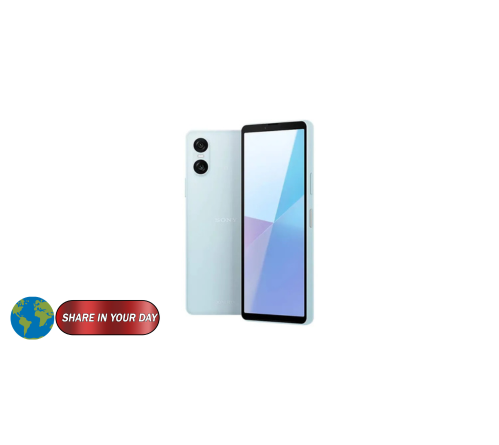
Sony Xperia 10 VI Android 17 Update Canceled: 5 Key Facts

Sony has canceled the Sony Xperia 10 VI Android 17 update, reversing its original commitment to provide three major Android operating system upgrades for the midrange smartphone. The decision, announced on October 15, 2026, follows a technical assessment in which the company concluded that the device’s storage configuration could not deliver an Android 17 experience it considered adequate. Although the cancellation is disappointing for owners expecting another major software upgrade, Sony says its existing security update commitment remains unchanged.
The announcement raises questions about long-term smartphone support, manufacturer update promises, and the practical limitations that can affect older devices. It also highlights an important distinction between receiving a new Android version and continuing to receive security patches.
Here are five important facts about Sony’s decision, what it means for Xperia 10 VI owners, and how the change could affect the company’s reputation for software support.
1. Sony Cancels the Xperia 10 VI Android 17 Update
Sony has confirmed that the Xperia 10 VI will not receive Android 17, despite previously announcing that the phone would receive three Android operating system upgrades.
The company acknowledged that the decision falls short of its original commitment and apologized to customers for the change.
The Xperia 10 VI launched in 2024 with Android 14. Under the original three-upgrade commitment, owners could reasonably expect the phone to progress through Android 15, Android 16, and Android 17.
However, Sony’s latest announcement means Android 16 will be the final major operating system version for the device.
The reversal is significant because software support has become an increasingly important consideration for smartphone buyers. Consumers often evaluate not only a phone’s camera, battery life, and performance but also how long its manufacturer intends to provide software upgrades.
A promised upgrade can influence purchasing decisions, particularly for customers who prefer to keep their devices for several years rather than replace them frequently.
Sony’s decision therefore affects more than the availability of a single Android release. It raises concerns about how confidently consumers can rely on software support commitments made when a smartphone launches.
According to Sony’s official support notice, the decision specifically concerns the Xperia 10 VI. The company says other Xperia models will not be affected by the same issue.
Source: Sony’s official Xperia 10 VI Android 17 update notice.
2. Why the Sony Xperia 10 VI Android 17 Update Was Canceled
Sony attributes the cancellation to limitations associated with the Xperia 10 VI’s storage configuration.
In its announcement, the company explained that a detailed technical assessment led it to conclude that the phone could not support an Android 17 upgrade experience that met its standards.
However, Sony has not publicly provided enough technical detail to establish exactly what prevents the update.
That distinction matters. The company has identified storage limitations as the reason, but it has not explained whether the issue involves available storage capacity, the underlying storage technology, system partition arrangements, or another configuration-specific constraint.
Without additional technical information, it would be premature to attribute the cancellation to any single factor.
What are the Xperia 10 VI’s hardware specifications?
Sony introduced the Xperia 10 VI as a midrange smartphone with the following core specifications:
- Processor: Qualcomm Snapdragon 6 Gen 1.
- RAM: 8GB.
- Internal storage: 128GB.
- Launch operating system: Android 14.
- Release year: 2024.
These specifications positioned the device as an option for consumers seeking everyday smartphone functionality without paying flagship-level prices.
Its 128GB storage capacity is particularly relevant to Sony’s explanation. However, storage capacity alone does not establish why an operating system upgrade would be unsuitable.
Major Android upgrades require manufacturers to account for system files, temporary installation data, application compatibility, device-specific drivers, and other technical requirements.
Nevertheless, many smartphones with comparable headline specifications support multiple Android versions. The available information does not establish which specific technical limitation makes the Xperia 10 VI different.
Sony has not published a detailed engineering explanation that resolves these questions.
Could a software optimization fix the problem?
In principle, manufacturers can sometimes address upgrade difficulties through software optimization, changes to system partitions, or adjustments to how an operating system uses storage.
However, whether those approaches would work for the Xperia 10 VI is unknown.
Sony’s announcement indicates that the company decided not to provide Android 17 after its technical assessment. It has not announced an alternative Android 17 build or a plan to revisit that decision.
Consequently, owners should not assume that a future optimization will restore eligibility for the update unless Sony announces a change.
3. Security Updates Will Continue for Four Years
Although the Android 17 upgrade has been canceled, Sony says its security support commitment for the Xperia 10 VI remains unchanged.
The company states that it will continue providing security updates for four years from the phone’s launch date.
This is an important distinction because major Android upgrades and security updates serve different purposes.
Major operating system upgrades introduce a new Android version and may deliver changes to system functionality, compatibility, interface elements, and underlying software components.
Security updates, meanwhile, address vulnerabilities and other security-related issues. They can help protect supported devices against known threats without requiring a full operating system upgrade.
For Xperia 10 VI owners, continued security support means the cancellation does not automatically make the phone unsafe or unusable.
However, security updates do not provide all the benefits associated with a new Android release. Owners should not expect security patches alone to deliver Android 17’s features or broader platform changes.
What does the four-year commitment mean?
Sony introduced the Xperia 10 VI in 2024 and has committed to four years of security updates from launch.
The company’s support notice says that commitment remains in place despite the Android 17 cancellation.
The precise end date and update availability can depend on the applicable regional support policy. Owners should consult Sony’s official support information for their country to confirm the latest details.
Security support also does not mean that every vulnerability will necessarily be addressed immediately or that every application will remain compatible indefinitely.
Nevertheless, continued security updates are valuable for people who intend to keep using the device.
Owners should install available patches promptly, download applications from trusted sources, and maintain regular backups of important information.
They should also pay attention to future support announcements rather than assuming that security updates and Android version upgrades follow the same schedule.
4. What Xperia 10 VI Owners Should Do Now
The Sony Xperia 10 VI Android 17 update cancellation does not mean that existing owners must immediately replace their smartphones.
The right decision depends on how they use their devices, their expectations for new features, and how long they plan to keep their phones.
For many users, Android 16 may continue to provide everything they need for everyday activities, including messaging, browsing, photography, streaming, and productivity.
However, people who prioritize receiving the newest Android features may need to reconsider their longer-term plans.
Check the phone’s current software version
Owners should first confirm which Android version their device is running.
They can generally find this information under the phone’s Settings menu, usually within the section describing the device or its software.
The precise menu labels can vary by software version and region.
Owners should also check for any available official updates. Although Android 17 will not be released for the Xperia 10 VI under Sony’s current decision, the company can still distribute eligible security updates and other supported software maintenance releases.
Keep security patches up to date
Continuing to install official security updates is one of the most practical steps owners can take.
Updates can address known security issues, while app updates can improve compatibility and reliability.
Users should avoid downloading unofficial firmware from unfamiliar websites unless they fully understand the risks and technical requirements. Installing unsupported software can introduce security problems, affect device stability, or interfere with normal functionality.
For most owners, staying with Sony’s supported software is the simplest approach.
Decide whether a replacement is necessary
There is no universal deadline for replacing the Xperia 10 VI simply because it will not receive Android 17.
People satisfied with Android 16 and continued security support may choose to keep their phones.
Others may prefer a device with a longer operating system upgrade policy, particularly if they plan to use it for many years.
Before buying a replacement, consumers should compare the manufacturer’s stated software support period, the number of promised Android upgrades, and the expected security update duration.
They should also consider battery condition, repairability, performance, storage capacity, and the cost of replacing the device.
A longer software support policy can improve a phone’s long-term value, but it is only one part of the overall purchasing decision.
5. Sony’s Update Policy Faces New Questions
The cancellation could create additional concerns for consumers evaluating Sony smartphones.
Software support has become a major competitive factor in the Android market. Some manufacturers now advertise extended operating system and security update commitments as a reason to choose their devices over competing models.
For customers, longer support periods can make a smartphone more practical to own for several years.
They can also reduce the pressure to upgrade simply because a phone has stopped receiving major software releases.
Against that backdrop, canceling an upgrade that was previously promised at launch could undermine confidence in a manufacturer’s support policy.
Sony has acknowledged the discrepancy between its original announcement and its revised plans. Its apology recognizes that the change does not meet the expectations established when the Xperia 10 VI was introduced.
However, the company has not announced compensation for affected customers in the support notice.
Why update promises matter
A smartphone’s advertised specifications describe what a device can do when it is purchased. A software support commitment provides an indication of how the device is expected to evolve afterward.
That commitment can influence a buyer’s decision to spend more on one phone rather than another.
When a manufacturer changes an upgrade promise after a product has been sold, customers may question how much weight to give similar commitments in the future.
Manufacturers also face legitimate engineering challenges. Hardware configurations, software compatibility, performance requirements, and security considerations can complicate long-term support.
The central issue is whether those limitations could have been anticipated and communicated before customers purchased the device.
Sony has not provided enough public technical detail to determine why the limitation became decisive at this stage.
The cancellation therefore leaves an important question unanswered: how did the company determine that Android 17 could not provide an acceptable experience on a phone that had been promised three operating system upgrades?
A clearer technical explanation could help customers understand the decision, even if the company ultimately maintains its position.
Will other Xperia phones lose Android 17?
Sony says the issue is specific to the Xperia 10 VI’s technical specifications and will not affect other Xperia models.
That statement provides some reassurance for owners of other devices in the company’s lineup.
However, owners should verify the software support commitments applicable to their specific models rather than assuming that every Xperia phone follows the same upgrade schedule.
Different models can have different hardware configurations, launch dates, and support periods.
Sony’s official announcements and regional support pages remain the most reliable places to check eligibility.
At present, the company has not indicated that the Xperia 10 VI decision represents a broader cancellation of Android 17 for its entire smartphone range.
How the Decision Fits Into the Wider Android Market
The Xperia 10 VI case highlights a broader issue facing the smartphone industry: the relationship between hardware limitations and long-term software support.
Android manufacturers must balance performance, compatibility, security, and engineering resources when deciding how long to maintain a device.
At the same time, consumers increasingly expect their phones to remain supported well beyond their first year of ownership.
That expectation is particularly important in the midrange market, where buyers may prioritize affordability and long-term value over cutting-edge hardware.
A device that receives several major Android upgrades can remain attractive even as newer models arrive. Conversely, losing a promised upgrade may make a phone less appealing to people who intend to keep it for an extended period.
The Xperia 10 VI decision also illustrates why consumers should examine the details of a support policy before purchasing a device.
The total number of promised upgrades matters, but so do the manufacturer’s track record, the clarity of its terms, and the distinction between operating system upgrades and security maintenance.
A longer support commitment is most valuable when customers can reasonably expect it to be honored.
For manufacturers, transparent communication can help preserve trust when technical problems arise. Explaining what went wrong, why an alternative is not feasible, and what support remains available can help customers make informed decisions.
In Sony’s case, the four-year security update commitment remains an important part of the picture, even though the Android 17 cancellation is a setback.
Frequently Asked Questions
Will the Sony Xperia 10 VI receive Android 17?
No. Sony has confirmed that the Xperia 10 VI will not receive Android 17 because of limitations associated with its storage configuration.
Which Android version will the Xperia 10 VI finish on?
Android 16 is expected to be the device’s final major Android operating system version under Sony’s current policy.
Will Sony stop security updates for the Xperia 10 VI?
No. Sony says its four-year security update commitment, measured from the phone’s launch date, remains unchanged.
Why did Sony cancel the update?
Sony says its technical assessment found that the phone’s storage configuration could not provide an Android 17 upgrade experience it considered adequate. The company has not published a detailed explanation of the specific technical limitation.
Are other Sony Xperia phones affected?
Sony says the issue is specific to the Xperia 10 VI and will not affect other Xperia models.
Should Xperia 10 VI owners buy a new phone?
Not necessarily. Owners who are satisfied with Android 16 and continue receiving security updates may have no immediate reason to replace their devices. Those who prioritize newer Android features or longer operating system support may prefer to consider alternatives.
Final Verdict: A Disappointing Change for Xperia Owners
Sony’s decision to cancel the promised Sony Xperia 10 VI Android 17 update is a notable reversal of its original software support commitment.
The company has attributed the decision to limitations involving the phone’s storage configuration, but it has not provided enough technical detail to explain precisely why the upgrade cannot deliver an acceptable experience.
For existing owners, the most important point is that the cancellation does not end all software support. Sony says security updates will continue for four years from launch, giving users a reason to keep their devices updated while that commitment remains active.
Nevertheless, the change raises legitimate questions about the reliability of smartphone upgrade promises and the information consumers receive when purchasing a device.
For now, Xperia 10 VI owners should monitor Sony’s official support announcements, install available security updates, and assess their future smartphone needs before deciding whether to upgrade.
The wider lesson for buyers is straightforward: look beyond a phone’s launch specifications and evaluate its long-term software support policy before making a purchase.