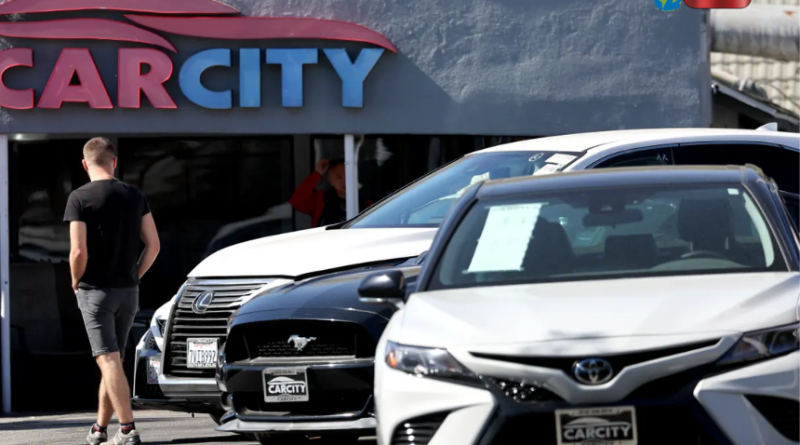
Used Car Prices 2026 Surge Amid Gas Price Hikes
The cost of used cars in 2026 is rising significantly as gas prices continue to climb, creating a ripple effect across the automotive market. For consumers, this means higher purchase costs, longer loan terms, and limited options for budget-conscious buyers. Analysts point to a combination of economic pressures and supply constraints as key drivers behind the surge.
Rising Gas Prices and Their Market Impact
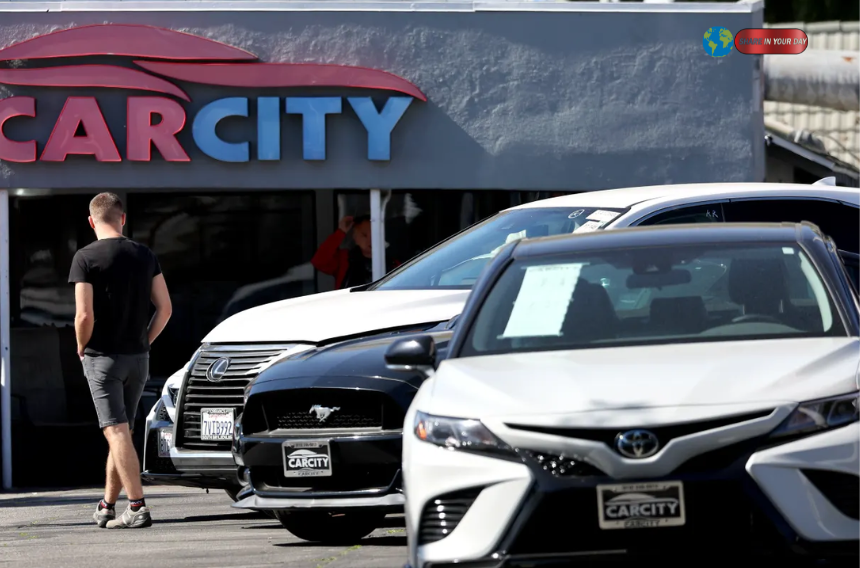
Gas prices have been steadily increasing throughout 2026, driven by global supply chain issues and geopolitical tensions. Higher fuel costs have shifted consumer behavior, prompting buyers to favor more fuel-efficient vehicles or delay purchasing altogether. This trend directly affects the used car market, where demand for gas-guzzling vehicles has declined while compact and hybrid models see stronger price retention.
According to CNBC reporting, average used car prices have risen by over 12% compared to last year, with some segments experiencing even steeper growth. The combination of rising fuel costs and limited vehicle supply has created a seller’s market, giving dealerships and private sellers the upper hand in negotiations.
Supply Chain Challenges
The used car market is also influenced by ongoing supply chain disruptions. Manufacturing delays in new vehicles limit availability, forcing more buyers into the secondary market. Additionally, global microchip shortages, previously affecting new car production, continue to have a downstream effect on used car inventory.
“Used car prices are reflecting both higher demand and constrained supply,” says automotive market analyst Robert Chen. “When gas prices rise simultaneously, it adds another layer of pressure, pushing resale values upward, especially for fuel-efficient models.”
Consumer Behavior and Market Trends
Rising prices are influencing how buyers approach vehicle purchases. Many consumers are opting for smaller, more fuel-efficient cars, hybrids, or electric vehicles to offset high gas costs. On the other hand, luxury and sports vehicles are experiencing slower sales as the cost of fuel makes ownership more expensive.
Financial advisors suggest that buyers carefully evaluate long-term fuel costs when purchasing a vehicle in 2026. Extended loan terms may help with upfront costs, but they also increase overall financial exposure. Buyers may also explore leasing options or certified pre-owned vehicles as a way to reduce risk.
Regional Price Differences
Used car prices are not uniform across the United States. Markets in areas with traditionally higher gas prices, such as the West Coast, are seeing sharper increases. In contrast, regions with lower average fuel costs have more moderate price growth. Dealers in high-demand markets report that certain vehicle types are selling within days of listing, underscoring the urgency for buyers to act quickly.
Expert Opinions on the 2026 Market
Automotive industry experts highlight the interplay between gas prices, supply chain disruptions, and shifting consumer preferences. “The 2026 used car market is shaped by multiple economic forces,” explains Emily Rodriguez, a senior automotive economist. “Buyers and sellers alike need to understand how fuel costs directly influence vehicle demand, resale values, and financing options.”
Experts also warn that if gas prices continue to rise, we could see a further acceleration in used car prices, particularly for fuel-efficient or hybrid models. Conversely, higher fuel costs may depress demand for less efficient vehicles, creating disparities in pricing trends across segments.
Tips for Buyers Navigating the Market
- Prioritize Fuel Efficiency: Choose cars with better gas mileage to mitigate the impact of rising fuel prices.
- Research Financing Options: Compare loan terms and consider longer-term financing cautiously.
- Monitor Market Trends: Track regional pricing trends to find optimal deals.
- Consider Certified Pre-Owned (CPO): These vehicles often offer warranties and better reliability.
- Act Quickly on High-Demand Models: In a competitive market, desirable vehicles may sell fast.
Implications for the Automotive Industry
Dealerships are adapting to the evolving market by adjusting inventory and pricing strategies. Many are emphasizing fuel-efficient and hybrid vehicles while offering promotions on slower-moving inventory to balance supply and demand.
The ripple effect of rising used car prices also impacts other sectors, including auto insurance, maintenance, and aftermarket services. Higher resale values can increase insurance premiums, while older vehicles on the road may require more maintenance, influencing service industry demand.
Conclusion
Used car prices in 2026 are climbing due to a combination of rising gas prices, supply constraints, and shifting consumer preferences. Buyers face a challenging environment, requiring careful planning and strategic decisions. Meanwhile, the automotive industry continues to adapt to market pressures, balancing supply, pricing, and consumer expectations.
As the year progresses, monitoring gas prices and market trends will remain crucial for both buyers and sellers. Understanding these dynamics can help consumers make informed choices and navigate one of the most volatile used car markets in recent memory.