Nepal Flash Flood Leaves Devastation Along Tibet Border
A devastating Nepal flash flood struck the country’s northern Rasuwa district on Wednesday, Aug. 26, sweeping through villages near the border with Tibet and leaving a rapidly changing toll of deaths, missing people and destroyed infrastructure.
The disaster struck along the Bhotekoshi River in the Himalayan region. Authorities reported that hundreds of people were unaccounted for, including foreign tourists, as rescue teams worked to reach areas cut off by floodwater, debris and damaged roads.
Initial reports varied as officials assessed the scale of the catastrophe. Reuters initially reported at least nine deaths, while later reports from the Associated Press put the death toll at at least 22. Because search operations were still underway, authorities warned that the figures could change.
The disaster has also raised concerns about a possible second flood as authorities assess unstable conditions upstream.
Here are five key facts about the Nepal flash flood and the emergency unfolding across the Himalayan border region.
1. The Nepal Flash Flood Hit the Rasuwa District
The Nepal flash flood struck Rasuwa, a mountainous district north of Kathmandu and close to Nepal’s border with China.
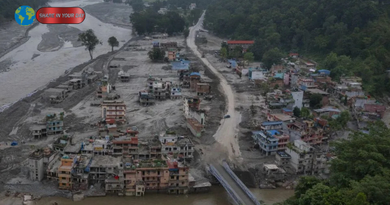
The Bhotekoshi River rose suddenly, sending a powerful surge of water and debris through the area. Villages, roads and infrastructure were damaged or swept away as the flood moved downstream.
The Associated Press reported that the river flooded at about 9 a.m. local time Wednesday, destroying villages, roads and hydropower projects.
The mountainous geography made the disaster particularly dangerous.
Narrow valleys can concentrate enormous volumes of water and debris into relatively small areas. Once a sudden surge begins, residents may have little time to react.
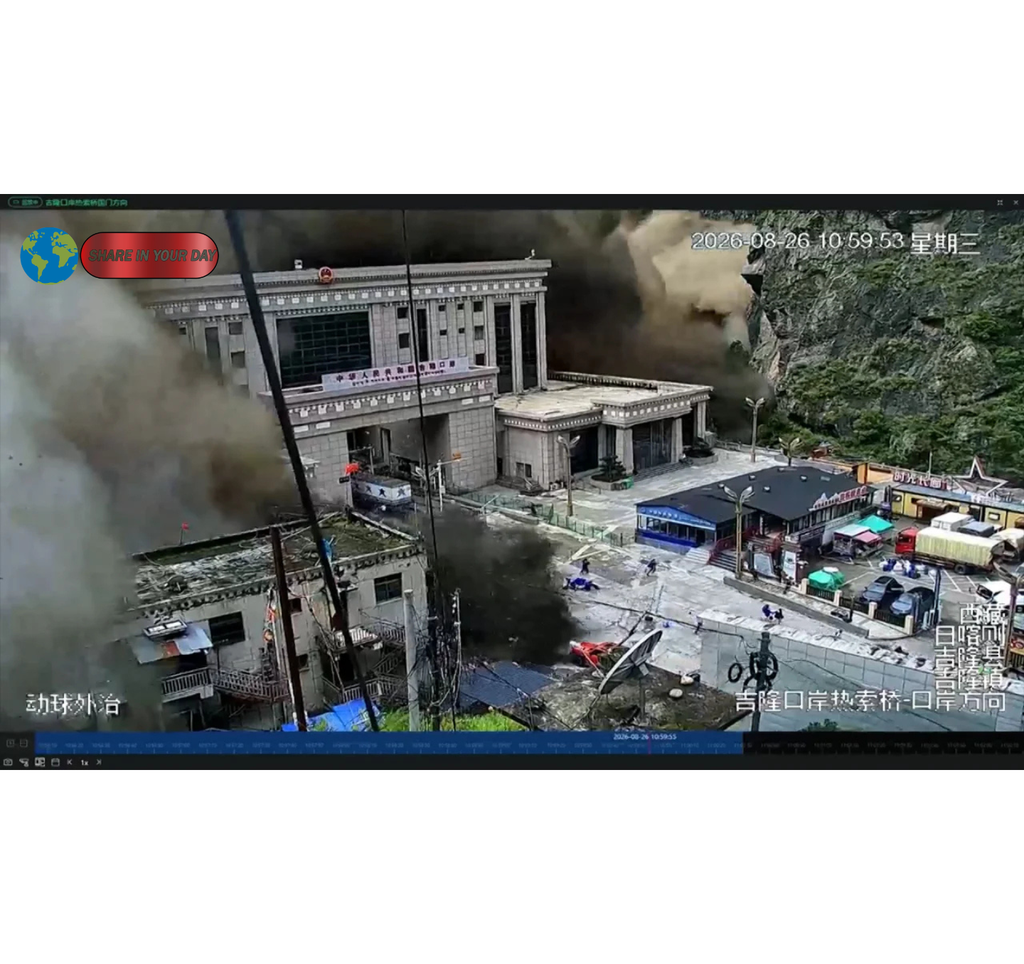
The flood also affected transportation routes linking Nepal and Tibet. Roads and bridges were damaged, complicating the movement of rescue crews and supplies.
Images from the disaster area showed homes partly submerged and vehicles surrounded by muddy, debris-filled water.
2. Hundreds of People Were Reported Missing
One of the most alarming developments was the large number of people reported missing.
Nepal’s Tourism Board provided a preliminary list indicating that 384 people were unaccounted for, including 291 foreign nationals and 93 Nepali citizens.
The missing included tourists from several countries.
Reports identified people from India, the United States, Britain, Malaysia and other countries among those who could not initially be accounted for. ABC News reported that at least three Americans were among the missing tourists.
Many travelers in the region were connected to pilgrimage and tourism routes leading toward Mount Kailash in Tibet.
However, authorities stressed that the list was preliminary.
A person being listed as missing does not necessarily mean that person is dead or trapped. Communication networks can fail during disasters, roads can become inaccessible and people can be separated from their travel groups.
That means the number of missing people could fall as rescuers establish contact with survivors.
At the same time, the high number underscores the scale of the emergency.
3. An Avalanche May Have Triggered the Flood
The exact chain of events behind the Nepal flash flood was still being investigated Wednesday.
According to the Associated Press, an avalanche involving ice and rock triggered the massive flooding. Reuters reported that authorities and experts were examining whether an earthquake contributed to an ice-rock avalanche that then affected the river system.
That distinction is important.
Flash floods do not always begin with prolonged rainfall. In mountainous environments, sudden releases of water can occur after landslides, avalanches, glacial events or other blockages collapse.
In this case, the sudden movement of ice and rock may have altered the river system and produced a powerful surge downstream.
Reuters also reported concern about a blockage upstream that could create the possibility of another dangerous flood.
Authorities therefore faced two challenges at once.
First, they had to search for people already affected by the disaster.
Second, they needed to determine whether additional water or debris could move downstream and threaten communities that had survived the first wave.
That uncertainty made evacuation and rescue operations especially difficult.
4. Roads, Bridges and Hydropower Projects Were Destroyed
The human toll was accompanied by extensive damage to critical infrastructure.
The Nepal flash flood destroyed or damaged roads, bridges, homes and hydropower facilities in the affected region.
That damage could have consequences beyond the immediate emergency.
Nepal relies heavily on hydropower for electricity generation. Damage to power facilities can therefore affect both local communities and the country’s broader energy system.
Reuters reported that the disaster disrupted more than 12% of Nepal’s hydropower capacity.
Road damage presents another major obstacle.
Mountain roads are often the only practical way for rescue crews to reach remote communities. When bridges collapse or roads disappear beneath mud and debris, emergency teams may have to rely on helicopters.
But helicopter operations are also complicated by mountainous terrain, weather conditions and the continuing risk of landslides.
As a result, rescuers were working under difficult conditions while trying to determine which communities had suffered the greatest damage.
5. Nepal and China Are Expanding Rescue Operations
The disaster has triggered a major emergency response involving Nepal and China.
Nepal requested assistance from both India and China as authorities attempted to reach people trapped or missing after the flooding.
Chinese authorities also launched rescue operations after the disaster affected the border area in Tibet.
Reuters reported that China deployed more than 500 rescuers and that the flooding disrupted infrastructure around the Gyirong border crossing.
The border location makes international coordination especially important.
The flood did not stop at a political boundary. The same extreme event affected communities and infrastructure on both sides of the Nepal-China border.
Officials have urged people in vulnerable areas to remain alert and move to safer locations when necessary.
The immediate priority remains finding missing people, treating survivors and preventing additional deaths.
Why Flash Floods Are So Dangerous in the Himalayas
The Nepal flash flood illustrates why sudden flooding can be particularly deadly in Himalayan terrain.
Mountain valleys often have steep slopes and narrow river channels. When a large volume of water suddenly enters such a system, the resulting flow can accelerate rapidly.
Floodwater can also carry enormous amounts of rock, mud, trees and other debris.
That transforms a flood into something closer to a moving wall of destruction.
Buildings located near riverbanks are particularly vulnerable. Roads and bridges can also fail quickly because they are exposed to both high water levels and heavy debris.
The problem becomes even more complicated during the monsoon season, when heavy rainfall already increases the risk of landslides and flooding across Nepal and other parts of South Asia.
Tourism Has Become a Major Concern
The number of missing tourists has added an international dimension to the Nepal flash flood.
Nepal is a major destination for trekkers, mountaineers and religious travelers. The Himalayan region attracts visitors from around the world, including people traveling through Nepal toward Tibet.
The preliminary list of 384 missing people included hundreds of foreign nationals, according to Nepal’s Tourism Board.
Families outside Nepal were therefore waiting for information about relatives who had been traveling in the region.
However, authorities cautioned that early missing-person figures can change rapidly during a major disaster.
Rescue teams must compare tourist lists with information from hotels, tour companies, border authorities, local officials and survivors.
That process can take time, particularly when communications infrastructure has been damaged.
The Death Toll Could Continue to Change
The number of confirmed deaths changed throughout Wednesday as rescuers gained access to affected areas.
Reuters initially reported at least nine deaths. Later Associated Press reporting said at least 22 people had been killed.
Those differences reflect the rapidly developing nature of the disaster rather than necessarily conflicting accounts of the same moment.
In major floods, authorities often begin with information from individual communities and emergency responders. As search teams reach previously inaccessible locations, the confirmed toll can rise.
The same is true for missing-person numbers.
Some people initially reported missing may later be found safe. Others may be confirmed among the victims.
For that reason, the final toll could take days to establish.
A Warning for Communities Downstream
Officials also faced concern about further flooding.
Reuters reported that a blockage upstream posed a potential risk of another flood.
That possibility means residents downstream cannot necessarily assume that the immediate danger has passed.
Authorities must monitor rivers, unstable slopes and areas where debris has accumulated.
Evacuation warnings can become essential if water begins building behind a natural blockage.
In mountainous areas, even a relatively small additional collapse can send another surge downstream.
The priority therefore extends beyond rescue operations. Emergency teams must also reduce the chance of a second wave causing additional casualties.
What Happens Next?
The next stage of the Nepal flash flood response will focus on search-and-rescue operations, damage assessment and restoring access to isolated communities.
Helicopters are expected to play an important role where roads and bridges have been destroyed.
At the same time, authorities will need to establish a clearer list of survivors and missing people.
International governments are also expected to monitor the situation because their citizens were among those reported missing.
India and China have offered assistance, while Nepal continues to coordinate its own military, police and emergency resources.
For families waiting for information, the coming hours will be critical.
The Bigger Picture
The Nepal flash flood is another reminder of the extreme risks faced by communities living in the Himalayan region.
Nepal’s rugged geography provides extraordinary natural beauty, but it also creates exposure to landslides, avalanches, flash floods and other natural hazards.
The disaster also demonstrates how quickly a localized event can become an international emergency.
A sudden flood damaged border infrastructure, disrupted hydropower facilities, destroyed roads and left hundreds of travelers unaccounted for.
As rescue operations continue, authorities will have to determine not only how many people died or survived, but also why the flood became so destructive and whether additional communities remain at risk.
For now, the focus remains on the missing.
The final human toll of the Nepal flash flood is still unknown, and rescue teams continue working through damaged terrain in the hope of finding more survivors.