Paramount WBD Merger Faces Last-Minute Legal Delay
The Paramount WBD merger is facing another legal hurdle after a federal judge granted an emergency request that could delay the proposed combination of Paramount Skydance and Warner Bros. Discovery.
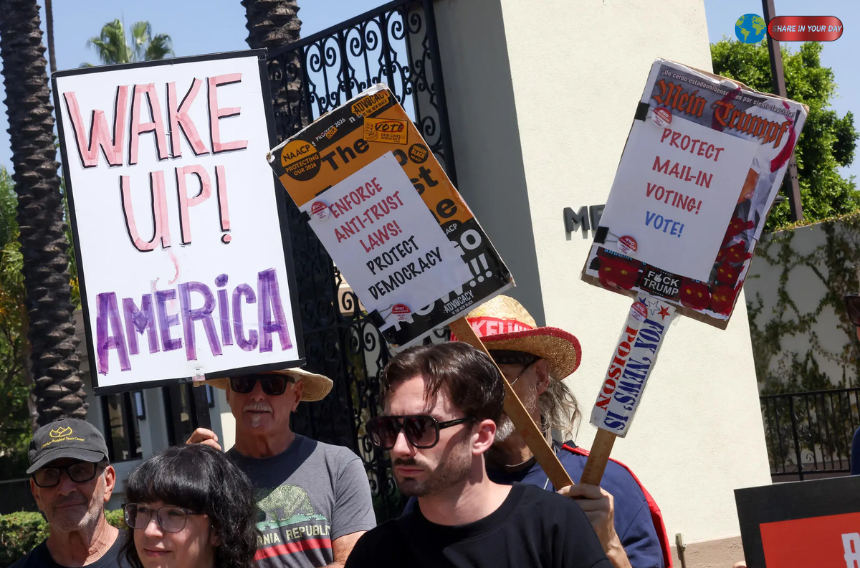
The development comes as the two entertainment companies move closer to completing one of the biggest media transactions in recent history. The merger has already faced months of regulatory scrutiny and litigation, and the latest court action adds another layer of uncertainty to the closing process.
Judge Araceli Martínez-Olguín granted an emergency motion from the Block the Merger Coalition, allowing additional legal submissions concerning the proposed settlement between Paramount and a group of state attorneys general. The decision means the court will take additional time to examine arguments raised against the agreement before deciding whether to approve the settlement. KKYMA+1
Paramount WBD Merger Hits Another Legal Roadblock
The latest development follows a series of legal challenges surrounding the Paramount WBD merger.
In July, 12 states filed an antitrust lawsuit seeking to stop the transaction. The states argued that combining two major entertainment companies could reduce competition across the film, television and streaming industries. A separate lawsuit was also filed by the Writers Guild of America.
The litigation prompted the federal court to temporarily prevent Paramount and Warner Bros. Discovery from closing the transaction. The companies later agreed that the merger would not be completed while the lawsuits were pending, with a previously established framework allowing the deal to proceed after a ruling on the merits or by a later deadline. AAxios+1
Paramount has maintained that the transaction satisfies the necessary regulatory requirements. In September, the company said it had received clearances covering 69 jurisdictions and argued that the remaining lawsuits were the principal obstacles preventing the deal from closing. PParamount
Judge Requests More Information
The latest court order came after concerns were raised about the settlement and its potential consequences.
During a September 24 hearing, Judge Martínez-Olguín asked Paramount and the 12 state attorneys general to respond to issues raised in a letter from Sen. Cory Booker. The judge gave the parties until September 28 to provide their responses.
The court also set a deadline for outside groups seeking to submit amicus briefs. Those filings could give the judge additional arguments about whether the settlement adequately addresses the antitrust concerns surrounding the transaction. KKYMA
Paramount has opposed efforts to further complicate the settlement process. In court filings, the company argued that the question before the judge is whether the proposed agreement represents a reasonable legal and factual resolution, rather than whether another party might have negotiated different terms. KKYMA
Why the Merger Matters
The proposed transaction would create a much larger entertainment company combining some of the industry’s most recognizable film, television and streaming properties.
Warner Bros. Discovery controls Warner Bros., HBO, HBO Max and a broad portfolio of television networks. Paramount brings Paramount Pictures, CBS, Paramount+, Pluto TV and other major entertainment brands.
The combination would therefore reshape the competitive landscape for Hollywood studios and streaming services.
The size of the transaction has also attracted attention from lawmakers, labor organizations and state officials. Critics have raised concerns about competition, employment and the potential effect of consolidation on the entertainment business.
Supporters of the transaction, meanwhile, have argued that combining the companies could create greater scale at a time when traditional media businesses are dealing with significant changes in audience behavior and the economics of streaming.
Settlement Could Clear a Major Obstacle
The legal situation changed significantly earlier in September after Paramount reached agreements intended to resolve challenges from California and other states.
The settlement included commitments involving U.S. film production and theatrical releases. Paramount also agreed to measures concerning news operations, including protections intended to preserve editorial independence at CBS and CNN. RReuters+1
Those agreements removed major obstacles to the transaction, but the court still has to determine whether the proposed settlement can move forward.
The legal uncertainty is particularly significant because Paramount faces financial consequences if the transaction remains delayed. The companies have been working under a tight timetable as they attempt to complete the deal.
What Happens Next
The immediate focus is now on the court’s review.
Paramount and the state attorneys general must respond to the issues identified by the judge before the court can determine the next step. The additional filings could influence the timing of the settlement and, ultimately, the closing of the merger.
For Hollywood, the outcome could have consequences well beyond the two companies involved.
A completed Paramount WBD merger would bring major film studios, television networks and streaming platforms under a single corporate structure. It could also accelerate the continuing consolidation of the entertainment industry.
For now, however, the transaction remains tied to the court process.
After months of regulatory reviews, lawsuits and negotiations, the proposed merger has reached another critical stage. The next court decision could determine whether Paramount and Warner Bros. Discovery can finally move toward closing the transaction or whether another legal battle will keep the deal in limbo.