Sustainability Innovation Hub Boosts Startups Growth
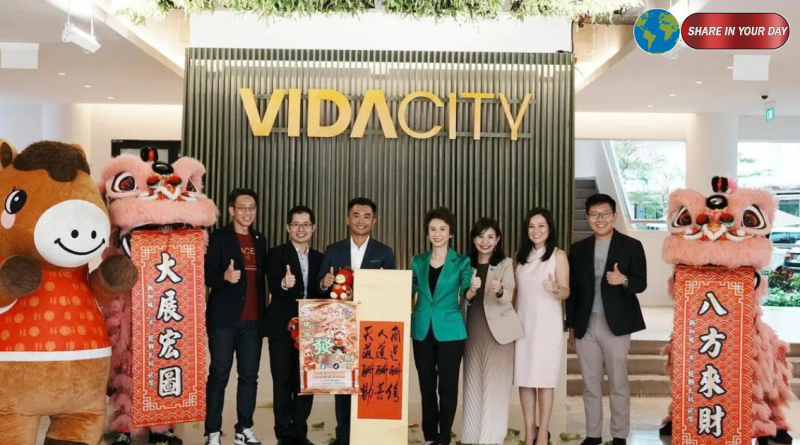
Singapore has taken a major step forward in strengthening its green economy with the launch of a new sustainability innovation hub designed to help startups test products more efficiently and accelerate their journey to market.
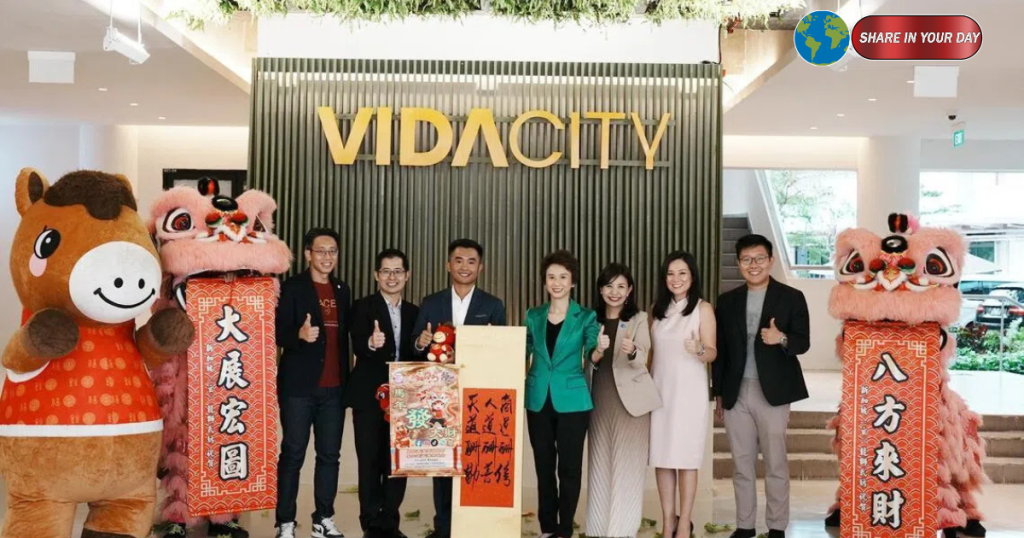
The newly established hub, located at LaunchPad in one-north, is expected to play a crucial role in bridging the gap between innovation and real-world application. By offering startups access to testing environments, partnerships, and deployment opportunities, the initiative aims to significantly shorten development cycles and improve commercialization success rates.
A Game-Changer for Sustainability Startups
At the heart of this initiative is Vidacity, a Singapore-based company focused on building ecosystems for sustainability-driven businesses. The new facility spans over 32,000 square feet and is already fully occupied at launch—highlighting the strong demand for such infrastructure.
This sustainability innovation hub is designed to support startups working in key sectors, including:
- Agri-food technology
- Built environment solutions
- Energy innovation
These sectors are critical to addressing global sustainability challenges, from food security to climate resilience.
By providing a dedicated test bed, the hub allows startups to move beyond theoretical models and validate their solutions in real-world conditions—something that has traditionally been a major barrier for early-stage companies.
Why Product Testing Is Critical for Startups
For many startups, especially those in green technology, the journey from concept to market is filled with obstacles. One of the most significant challenges is proving that a product works effectively outside the lab.
This is where the sustainability innovation hub becomes essential.
The facility offers:
- Flexible laboratory spaces
- Demonstration zones
- Workshops for prototyping
- Real-world pilot deployment opportunities
These resources enable startups to refine their products, gather data, and demonstrate viability to investors and customers.
According to industry experts, early-stage testing can dramatically increase a startup’s chances of success by validating both technical performance and market demand.
Accelerating Time to Market
One of the biggest advantages of the new hub is its ability to reduce the time it takes for startups to bring products to market.
Vidacity estimates that the facility will:
- Support up to 200 companies
- Facilitate around 80 pilot deployments over five years
This scale of support is expected to significantly accelerate innovation cycles.
In today’s competitive global environment, speed is everything. Startups that can quickly validate and deploy their solutions gain a crucial first-mover advantage.
Industry leaders emphasize that being the first to test and launch a viable product often determines long-term success, especially in rapidly evolving sectors like sustainability.
Real-World Innovation in Action
Several startups are already set to benefit from the new sustainability innovation hub.
Among the first participants are:
- N&E Innovations, which converts food waste into biodegradable antimicrobial coatings
- Entropy Lab, which develops passive cooling paint for buildings
These examples highlight the diversity of solutions being developed within the sustainability space.
From reducing waste to improving energy efficiency, the innovations emerging from this hub have the potential to create meaningful environmental impact while also generating economic value.
Strengthening Singapore’s Startup Ecosystem
The hub’s location within LaunchPad at one-north is strategic. LaunchPad is already a vibrant startup ecosystem, home to numerous founders, investors, and innovation programs.
By integrating into this environment, the sustainability innovation hub enables:
- Greater collaboration between startups
- Access to mentorship and funding opportunities
- Participation in community-driven innovation programs
This interconnected ecosystem is essential for fostering innovation and scaling new ideas.
Vidacity’s decision to establish the hub at LaunchPad reflects a broader strategy to bring sustainability-focused startups closer to the heart of Singapore’s entrepreneurial landscape.
Collaboration Across Industries
The success of the hub is also driven by strong partnerships.
Vidacity is working with multiple organizations to support pilot deployment programs and accelerate innovation. These collaborations aim to connect startups with:
- Corporate partners
- Research institutions
- Government agencies
Such partnerships are critical for transforming ideas into scalable solutions.
In addition, the hub will collaborate with organizations like Action Community for Entrepreneurship (ACE.SG) and A*STAR’s Urban Solutions and Sustainability Innovation and Enterprise Office to strengthen the innovation pipeline.
These alliances ensure that startups receive not only technical support but also guidance on commercialization and market expansion.
Building the Next Generation of Green Unicorns
One of the most ambitious goals of the sustainability innovation hub is to help create new “unicorns”—startups valued at over $1 billion.
Government officials believe that the green economy represents a significant growth opportunity for Singapore and the broader ASEAN region.
By providing the infrastructure and support needed for startups to succeed, the hub aims to:
- Drive economic growth
- Create high-value jobs
- Position Singapore as a leader in sustainability innovation
As global demand for sustainable solutions continues to rise, the potential for green startups to scale rapidly has never been greater.
The Role of the Green Economy in Future Growth
The launch of the sustainability innovation hub comes at a time when sustainability is becoming a key driver of global economic growth.
Countries and companies worldwide are investing heavily in:
- Renewable energy
- Sustainable agriculture
- Circular economy solutions
Singapore is positioning itself at the forefront of this transition by building infrastructure that supports innovation and entrepreneurship.
Experts note that the ability to quickly develop and deploy sustainable solutions will be critical for maintaining competitiveness in the global market.
Challenges Startups Still Face
While the new hub provides significant advantages, startups still face challenges, including:
- Securing funding for scaling
- Navigating regulatory requirements
- Expanding into international markets
However, the hub’s comprehensive support system is designed to address many of these issues.
For example, Vidacity offers:
- Advisory services for deployment
- Connections to overseas networks
- Training programs in sustainable finance and impact investing
These additional resources help startups move beyond initial testing and achieve long-term growth.
A Vision for the Future
The launch of this sustainability innovation hub represents more than just a new facility—it is part of a broader vision for the future of innovation.
By bringing together startups, corporations, researchers, and policymakers, the hub creates a collaborative environment where ideas can quickly evolve into real-world solutions.
This approach reflects a growing trend in innovation ecosystems worldwide: the shift from isolated development to integrated, ecosystem-driven growth.
Conclusion: A Major Step Forward for Innovation
Singapore’s new sustainability innovation hub marks a significant milestone in the country’s efforts to build a thriving green economy.
By enabling startups to test, validate, and scale their solutions more efficiently, the hub addresses one of the most critical challenges in innovation—bridging the gap between ideas and implementation.
With strong industry partnerships, a strategic location, and a clear focus on sustainability, the initiative has the potential to transform not only Singapore’s startup ecosystem but also the broader landscape of global innovation.
As the world continues to prioritize sustainability, platforms like this will play a vital role in shaping the future—one breakthrough at a time.