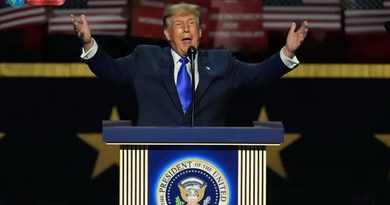
WHCD Shooting Suspect: Shocking 5 Key Facts Revealed
The WHCD shooting suspect case has quickly become one of the most alarming security incidents tied to a major political event in recent U.S. history. The attempted attack at the 2026 White House Correspondents’ Dinner has raised urgent questions about safety, political extremism, and the vulnerabilities surrounding high-profile gatherings.
Held annually in Washington, D.C., the White House Correspondents’ Dinner is known for bringing together journalists, politicians, and celebrities. However, the 2026 event took a dramatic turn when a heavily armed individual attempted to breach security at the Washington Hilton, triggering a swift response from federal agents.
This article breaks down the five most important facts about the WHCD shooting suspect, including his background, motive, and the broader implications of the incident.
1. What Happened at the White House Correspondents’ Dinner
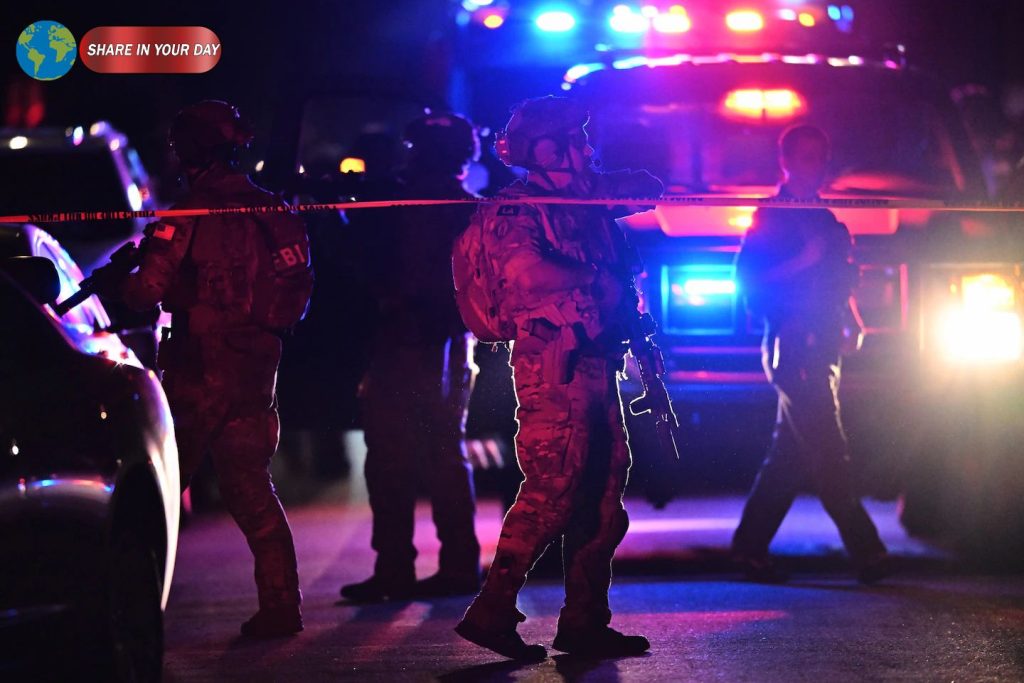
The WHCD shooting suspect launched his attack on April 25, 2026, outside the Washington Hilton hotel, where the annual dinner was taking place. The event was attended by top political figures, including the sitting U.S. president and senior administration officials.
According to authorities, the suspect attempted to force his way through a secured checkpoint. When confronted by Secret Service agents, he opened fire, leading to a brief but intense exchange.
One federal agent was struck during the confrontation. Fortunately, the agent survived due to wearing a protective vest. The suspect was quickly subdued before he could enter the main venue, preventing what could have been a mass-casualty event.
The rapid response highlights the effectiveness of layered security measures. However, it also underscores how close the situation came to escalating further.
2. Who Is the WHCD Shooting Suspect?
Investigators identified the WHCD shooting suspect as a 31-year-old man from Torrance, California. His background has surprised many observers due to its lack of obvious warning signs.
He was reportedly well-educated, holding degrees in engineering and computer science. In addition, he had professional experience working as a teacher and in the video game development industry.
Friends and acquaintances described him as quiet, polite, and largely unremarkable. He had no known criminal record, which has made the case more difficult for authorities trying to understand how he became radicalized.
This profile reflects a growing pattern seen in several recent incidents, where individuals with stable educational and professional backgrounds become involved in acts of political violence.
3. Weapons and Planning Behind the Attack
The WHCD shooting suspect arrived in Washington, D.C., prepared for a serious act of violence. Law enforcement officials confirmed that he was carrying multiple weapons at the time of the attack.
These included a shotgun, a handgun, and several knives. The presence of multiple weapons suggests a level of planning and intent that goes beyond a spontaneous act.
Investigators also revealed that the suspect had booked a hotel room in advance and traveled across the country prior to the event. This indicates premeditation and a deliberate effort to position himself close to the target location.
The level of preparation has raised concerns about how individuals can move across states with weapons and plan attacks without early detection.
4. Possible Motive and Ideology
Understanding the motive of the WHCD shooting suspect remains a key focus of the investigation. Early evidence points toward political motivations.
Authorities have examined writings and communications attributed to the suspect. In one message, he allegedly referred to himself using a disturbing phrase that suggested a self-appointed role tied to federal targets.
Officials believe he may have intended to target members of the administration, possibly including the president. While the full extent of his plans is still under investigation, the available evidence suggests ideological influences.
This incident adds to growing concerns about political polarization and the potential for extreme beliefs to translate into violent action. Analysts note that such cases are often fueled by a mix of personal grievances and broader political narratives.
5. Security Implications and National Impact
The WHCD shooting suspect case has already triggered discussions about security protocols at high-profile events. While the Secret Service response prevented casualties, the incident highlights ongoing risks.
Large gatherings involving political figures are inherently complex to secure. The presence of media, staff, and guests creates multiple access points that must be monitored carefully.
In response to the incident, officials are expected to review and potentially strengthen existing security measures. This could include tighter screening procedures, expanded surveillance, and improved intelligence sharing between agencies.
Beyond immediate security concerns, the case also reflects a broader trend of political violence in the United States. Experts warn that such incidents, even when unsuccessful, can have lasting psychological and political effects.
Broader Context: Rising Political Tensions
The WHCD shooting suspect incident did not occur in isolation. In recent years, there has been an increase in threats and attacks targeting political figures and institutions.
This trend is often linked to heightened political divisions and the spread of misinformation. Social media platforms, in particular, have played a role in amplifying extreme views.
As a result, law enforcement agencies face growing challenges in identifying potential threats before they materialize. Preventing such incidents requires not only physical security but also proactive monitoring and community awareness.
Legal Consequences for the Suspect
The WHCD shooting suspect is expected to face multiple federal charges. These may include assault on a federal officer, illegal use of firearms, and other serious offenses.
If convicted, he could face a lengthy prison sentence. The case will likely be closely followed, given its high-profile nature and the questions it raises about domestic security.
Legal experts note that cases involving attacks on federal officials are treated with particular severity. This reflects the importance of protecting government functions and ensuring public safety.
Public Reaction and Media Coverage
The incident has received widespread media attention, both in the United States and internationally. Many observers have expressed concern about the potential for similar attacks in the future.
Public reaction has been mixed, with some focusing on the effectiveness of the security response, while others emphasize the need for deeper societal changes.
The event has also sparked renewed debate about gun laws, mental health resources, and the role of political rhetoric in shaping behavior.
Conclusion: A Wake-Up Call for Security and Society
The WHCD shooting suspect case serves as a stark reminder of the risks associated with high-profile political events. While the immediate threat was contained, the incident has far-reaching implications.
It highlights the importance of vigilance, coordination, and continuous improvement in security practices. At the same time, it raises deeper questions about the social and political factors that contribute to such acts.
Moving forward, both policymakers and the public will need to grapple with these challenges. Preventing future incidents will require a comprehensive approach that addresses not only security gaps but also the underlying causes of extremism.