Motorola 2027 Flagships: GrapheneOS Support Revealed
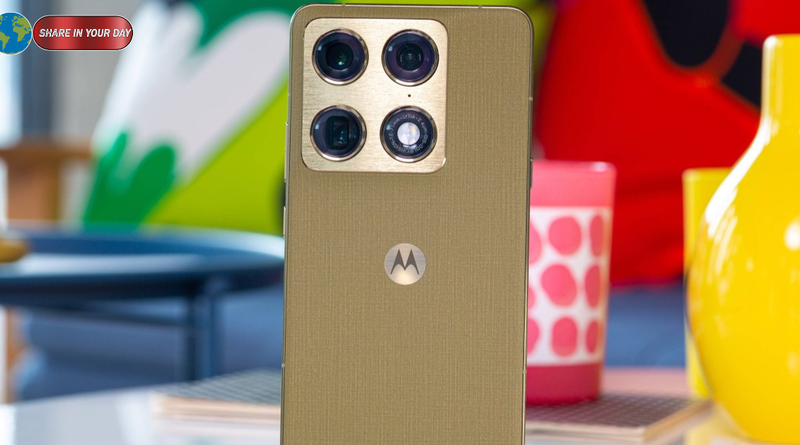
The Motorola 2027 flagships are set to become a major milestone for Android privacy and security. GrapheneOS has confirmed plans to officially support upcoming high-end Motorola smartphones, marking a significant expansion beyond Google’s Pixel lineup.
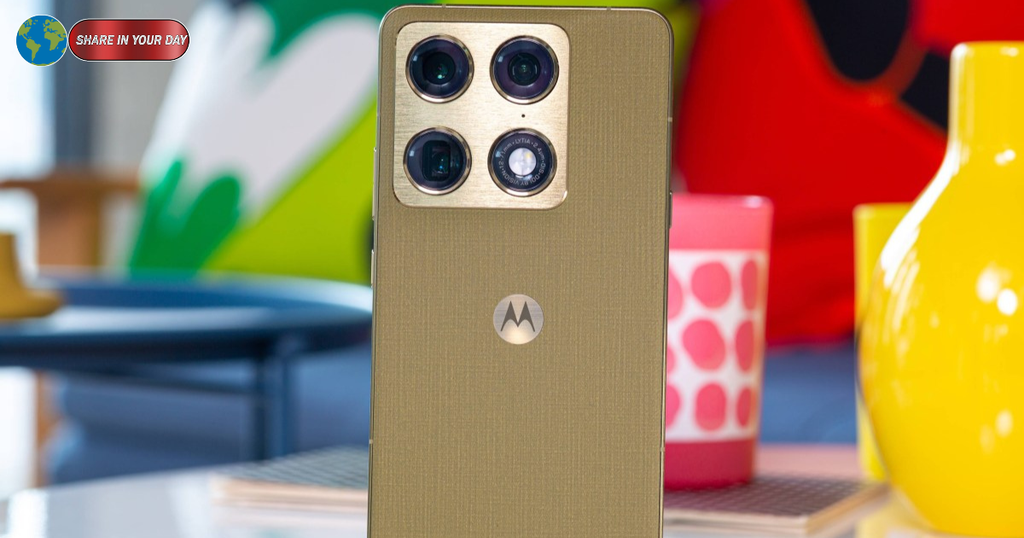
The move is especially notable because GrapheneOS has historically focused its official support on Google Pixel devices. Motorola’s upcoming hardware is expected to meet the security requirements needed by the privacy-focused Android operating system, opening the door to a new class of smartphones for users who want greater control over their data.
The initial rollout will focus on conventional flagship phones. Support is then expected to expand to Motorola’s foldable devices, including the Razr Fold and Razr Ultra.
Motorola 2027 Flagships Will Get Official GrapheneOS Support
The announcement represents an important change for the GrapheneOS ecosystem.
GrapheneOS is an open-source operating system based on Android that focuses heavily on privacy and security. Unlike standard Android installations, it is designed to minimize unnecessary data collection while providing users with additional security controls.
Until now, Google’s Pixel phones have been the primary officially supported devices.
That is about to change.
According to GrapheneOS’s latest plans, Motorola will become the first major smartphone manufacturer outside Google to receive official support for new flagship hardware. The organization has also indicated that Motorola is doing a substantial portion of the work required to bring GrapheneOS to its devices.
That cooperation could be just as important as the hardware itself.
Official operating-system support requires much more than simply making an Android build boot on a phone. Security features, hardware integration, firmware, bootloader policies and long-term maintenance all need to work together.
Motorola’s cooperation therefore gives the project a stronger foundation for long-term support.
Why the Motorola 2027 Flagships Matter
The Motorola 2027 flagships are important because GrapheneOS has particularly demanding hardware-security requirements.
The GrapheneOS Foundation has said that some current Motorola phones are already close to meeting those requirements. However, existing models lack mature support for certain security technologies, including hardware memory tagging and secure-element integration.
The next generation of Qualcomm flagship processors is expected to address some of those limitations.
That makes the 2027 generation a natural starting point.
Instead of trying to retrofit GrapheneOS onto older hardware, the project can work with Motorola on devices designed with the required security capabilities from the beginning.
This could ultimately produce a much cleaner experience for privacy-conscious Android users.
GrapheneOS Support Will Start With High-End Phones
Not every Motorola phone released in 2027 will necessarily receive official GrapheneOS support.
The initial focus is on flagship hardware.
GrapheneOS has indicated that its first Motorola-supported device will be a high-end conventional smartphone. The organization has also previously suggested that these initial devices will occupy a premium position, potentially offering hardware that is more powerful than Google’s Pixel lineup while carrying a higher price.
That approach makes sense from a security perspective.
Premium smartphones generally receive more advanced processors, stronger security hardware and longer software support. Those characteristics make them better candidates for an operating system with strict security requirements.
Cheaper Motorola models could eventually receive support, but several conditions would need to be met.
GrapheneOS has indicated that lower-cost hardware would need stronger security capabilities, while Motorola would also need to improve its software-support commitments.
Motorola Razr Ultra Could Become a Privacy First
One of the most interesting parts of the announcement involves Motorola’s foldable phones.
GrapheneOS plans to extend support beyond its initial flagship phone to the Motorola Razr Fold and Razr Ultra. The Razr Ultra could become particularly significant because it would reportedly be the first flip-style smartphone to receive official GrapheneOS support.
That would give privacy-focused consumers an option that has largely been missing from the foldable market.
Foldable smartphones have become increasingly sophisticated, but users interested in alternative Android operating systems have had relatively few officially supported choices.
Motorola’s cooperation could change that.
A foldable running GrapheneOS would combine modern hardware with an operating system designed around privacy and security. For some users, that combination could be more appealing than a conventional Android phone.
Existing Motorola Phones Will Not Get the Same Treatment
One important detail is that the announcement does not mean current Motorola phones will suddenly become compatible with GrapheneOS.
The project’s hardware requirements are a major limitation.
Community discussions surrounding the Motorola partnership indicate that pre-2027 Motorola models are not expected to receive official GrapheneOS support. The focus is instead on new devices designed with the necessary hardware capabilities.
This distinction is important for consumers considering a Motorola phone today.
Buying a current Razr or another Motorola flagship with the expectation that GrapheneOS will officially arrive later would therefore be risky.
The planned support is aimed at future hardware rather than retroactively expanding compatibility to existing devices.
Why Hardware Security Is So Important
GrapheneOS places considerable emphasis on hardware-backed security.
Modern smartphones contain dedicated components designed to protect sensitive information, verify software and help prevent attacks. These systems can work alongside the operating system to create multiple layers of protection.
That is why simply having a powerful processor is not enough.
A phone needs the right combination of secure boot mechanisms, hardware-backed keys, memory protection and other security technologies.
GrapheneOS’s decision to wait for future Motorola hardware demonstrates how seriously the project takes those requirements.
The upcoming Motorola generation is expected to benefit from improvements in Qualcomm’s flagship silicon, helping bring the necessary security capabilities into place.
Seven Years of Updates Could Be a Challenge
Hardware is only one part of the equation.
Long-term software support is another major issue for GrapheneOS.
The project has indicated that lower-cost Motorola devices would need significantly better software-support commitments before they could become viable candidates for official support. The organization has pointed to seven years of software support as an important benchmark for future lower-end compatibility.
This could put pressure on Motorola to extend its update policies.
The smartphone industry has increasingly moved toward longer software-support periods. Samsung and Google have already made long-term updates a major selling point for their premium phones.
Motorola’s collaboration with GrapheneOS could give the company another reason to improve its support commitments.
For consumers, that would be a positive development even beyond GrapheneOS.
Motorola and GrapheneOS Are Taking a Different Approach
The partnership is unusual because alternative Android operating systems often have to work around manufacturer-specific hardware and software decisions.
In this case, Motorola is actively participating in the process.
GrapheneOS has said that Motorola is handling a large portion of the porting work for its devices.
That could reduce some of the difficulties that independent developers normally encounter when bringing an operating system to new smartphones.
It also suggests that Motorola sees privacy and security as potential selling points rather than simply niche concerns.
If the collaboration succeeds, other Android manufacturers could face increased pressure to make their own hardware more accessible to alternative operating systems.
Google Pixel Will Still Be Supported
The arrival of Motorola does not mean GrapheneOS is abandoning Pixel phones.
The project continues to support Google’s devices and has plans for future Pixel models, including the Pixel 11 series.
However, GrapheneOS has also pointed to changes in Google’s Android Open Source Project support for Pixel devices as a reason that maintaining compatibility has become more challenging.
That makes Motorola’s cooperation particularly interesting.
If a manufacturer is willing to contribute directly to the process of bringing GrapheneOS to its hardware, it could provide the project with a valuable alternative platform.
The result could be a more competitive privacy-focused Android ecosystem.
What This Means for Android Privacy
The arrival of Motorola 2027 flagships with official GrapheneOS support could have implications beyond Motorola itself.
For years, consumers interested in GrapheneOS had a relatively narrow hardware choice. Official support was strongly associated with Pixel phones.
Motorola’s entry could change that perception.
Users would potentially have another major smartphone manufacturer to consider when choosing a privacy-focused Android device.
It could also make alternative Android operating systems more visible to mainstream consumers.
Most smartphone buyers never install a different operating system. However, official manufacturer cooperation could make the process more credible and potentially easier for users who prioritize privacy.
What to Expect From Motorola’s 2027 Phones
Motorola has not yet revealed the complete specifications of its 2027 GrapheneOS-compatible devices.
Therefore, consumers should be cautious about treating early information as final specifications.
The key expectations are clearer at the platform level.
The initial devices should be high-end Motorola smartphones built around hardware capable of meeting GrapheneOS security requirements. Later, support is expected to reach Motorola’s foldable lineup, including the Razr Fold and Razr Ultra.
Pricing, exact processors, cameras, battery capacities and other specifications will depend on Motorola’s eventual product announcements.
The most important feature for privacy enthusiasts, however, may be the software support itself.
A Potential New Era for Motorola
The Motorola 2027 flagships could represent a major turning point for both Motorola and GrapheneOS.
Motorola gains a distinctive feature that few mainstream smartphone brands can offer. GrapheneOS gains access to another major hardware platform.
Consumers potentially get more choice.
The biggest question will be execution.
GrapheneOS requires long-term maintenance and reliable hardware integration. Motorola will need to maintain its commitment beyond the initial launch if the partnership is to become a lasting success.
If it does, the impact could extend well beyond a handful of flagship smartphones.
The Razr Fold and Razr Ultra could eventually demonstrate that privacy-focused software does not have to be limited to conventional slab-style phones. Meanwhile, future lower-cost Motorola devices could broaden access if their security hardware and software-support policies improve.
For now, the 2027 flagship generation is the key milestone.
Key Takeaways
- Motorola 2027 flagships are expected to receive official GrapheneOS support.
- Initial support will focus on high-end Motorola smartphones.
- Motorola’s future Razr Fold and Razr Ultra are expected to follow.
- The Razr Ultra could become the first flip phone with official GrapheneOS support.
- Current Motorola phones are not expected to gain official support.
- Hardware security features are a major reason for targeting the 2027 generation.
- Lower-cost Motorola phones could be considered later if hardware and software support improve.
- Google Pixel devices will continue to receive GrapheneOS support.
- Motorola is reportedly contributing significantly to the GrapheneOS porting process.
Suggested External Links:
Suggested Internal Links:
Use existing articles on your website about Motorola phones, GrapheneOS, Android privacy, Motorola Razr, and Android security as contextual internal links.
Image Recommendation:
Use a licensed editorial image of a current Motorola flagship or Razr foldable alongside a privacy/security-themed Android visual. Avoid presenting an unofficial concept image as an actual 2027 product.
Image ALT Text:Motorola 2027 flagships with official GrapheneOS support