Pennsylvania Measles Deaths Trigger Urgent Warning
Pennsylvania measles deaths have reached two as the state confronts a growing outbreak, marking the first deaths linked to the highly contagious disease in the commonwealth in 35 years.
Both people who died were unvaccinated residents of Lancaster County, according to Pennsylvania health officials. The deaths are also the first reported measles-related fatalities in the United States in 2026.
The announcement comes as measles infections continue to rise across Pennsylvania and the wider United States. State officials said Tuesday that Pennsylvania had recorded 393 confirmed cases across 28 counties this year.
The situation has renewed concerns about declining vaccination rates and the return of a disease that had become relatively unfamiliar to many Americans after decades of effective immunization programs.
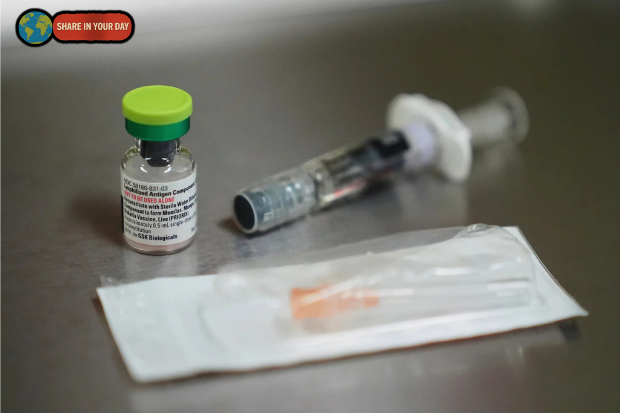
Health officials are now urging eligible residents to check their vaccination status and receive the measles, mumps and rubella, or MMR, vaccine if they are not adequately protected.
Pennsylvania Measles Deaths Mark a 35-Year First
The two Pennsylvania measles deaths occurred in Lancaster County, where the current outbreak has become particularly concentrated.
Pennsylvania’s Department of Health confirmed the deaths on August 25. Officials said both individuals were unvaccinated but did not release their ages or identities, citing privacy concerns for the families.
The deaths are the first measles-associated fatalities in Pennsylvania since 1991.
That long gap illustrates how dramatically vaccination changed the impact of measles in the United States. For decades, widespread immunization prevented the virus from spreading extensively through communities.
Pennsylvania Health Secretary Dr. Debra Bogen said many people today may not fully understand how serious measles can become because the disease had been largely eliminated from the commonwealth for more than three decades.
The state’s health department emphasized that vaccination remains the best protection against infection.
Two doses of the MMR vaccine provide about 97% protection against measles, according to Pennsylvania health officials.
Pennsylvania Measles Outbreak Reaches Nearly 400 Cases
The Pennsylvania measles deaths come as the state’s outbreak continues to expand.
Health officials reported 393 confirmed measles cases across 28 counties as of August 25. Lancaster County has been one of the hardest-hit areas, with a substantial share of the state’s infections occurring there.
The outbreak began in April and has continued for months.
The concentration of cases in Lancaster County has drawn particular attention because the area includes communities with lower vaccination rates. Officials have been working to expand access to MMR vaccines and provide additional information to residents, schools and health-care providers.
The Pennsylvania Department of Health said it had already hosted 91 measles vaccine pop-up clinics this year and planned another 40 clinics in the weeks ahead.
More than 4,100 vaccinations had been administered through the state’s pop-up clinics since the outbreak began, according to the governor’s office.
Those efforts are designed to raise immunity levels before the virus spreads further.
Why Measles Is So Contagious
Measles is among the most contagious infectious diseases known.
The virus can spread when an infected person coughs, sneezes or breathes. It can also remain in the air for a period after an infected person has left an area, allowing others to become exposed without having direct contact with the original patient.
People who have not been vaccinated are particularly vulnerable.
Symptoms commonly begin with fever, cough, runny nose and red or watery eyes. A characteristic rash generally appears several days after the initial symptoms.
Although many people recover, measles can produce serious complications.
These can include pneumonia, encephalitis, hearing loss and other long-term health problems. In some cases, the infection can be fatal.
That risk is one reason public health officials are concerned about the current resurgence.
MMR Vaccine Remains the Key Protection
The MMR vaccine is the central tool health authorities use to prevent measles outbreaks.
Pennsylvania officials say two doses provide approximately 97% lifetime protection against measles.
The vaccine has been used for decades and has dramatically reduced measles infections in the United States.
Before widespread vaccination, measles infected millions of Americans and caused hundreds of deaths each year. The United States eventually achieved measles elimination status in 2000, meaning continuous transmission of the virus had been interrupted.
That achievement is now under pressure.
The Centers for Disease Control and Prevention reported 2,777 confirmed measles cases in the United States as of August 20, 2026. The cases had been reported across 47 jurisdictions, with 94% associated with outbreaks.
The 2026 total has already surpassed the 2,289 cases reported during all of 2025.
U.S. Measles Cases Reach a Historic Level
The Pennsylvania outbreak is part of a much larger national measles resurgence.
The CDC’s latest figures show that the United States is experiencing its largest annual measles case total in decades. The number of infections has already reached levels not seen since the early 1990s, with months remaining in 2026.
That development is particularly significant because measles had once been considered largely controlled in the country.
The disease did not disappear completely. Instead, high vaccination coverage prevented sustained transmission in most communities.
When vaccination rates fall, however, the virus can spread rapidly after being introduced.
The current outbreak demonstrates that vulnerability.
Public health experts have repeatedly emphasized that communities need high vaccination coverage to protect people who cannot be vaccinated or who are more vulnerable to serious infection.
Lancaster County Faces Increased Scrutiny
Lancaster County has become a major focus of Pennsylvania’s response.
The county has reported a large number of infections since the outbreak began, with health officials working to increase vaccination rates and identify people who may have been exposed.
The area is also home to a sizable Amish population, some communities of which have historically recorded lower vaccination rates.
However, health officials have emphasized the broader public-health issue rather than attributing the outbreak to one community alone.
Lower vaccination rates can occur for many reasons, including access problems, exemptions, uncertainty about vaccination records and misinformation.
Once measles begins circulating, those gaps can become significant.
The virus’s high transmissibility means a relatively small number of unvaccinated people can provide opportunities for an outbreak to grow.
Pennsylvania Expands Vaccine Response
State officials are responding by increasing access to vaccination.
The Shapiro administration said Pennsylvania has expanded MMR vaccine availability in communities affected by the outbreak and has worked with schools and health-care providers to improve preparedness.
The state has also provided clinical guidance because many medical professionals have rarely encountered measles during their careers.
That is another consequence of successful vaccination programs.
When a disease becomes uncommon, health-care workers may have less experience recognizing and managing it. Symptoms can initially resemble other viral infections, potentially complicating early identification.
For that reason, health authorities want clinicians and residents to remain alert to possible cases.
What Happens If Someone Is Exposed?
People who believe they may have been exposed to measles should contact a health-care provider before arriving at a medical facility.
That step can help protect other patients and medical workers from exposure.
People with symptoms such as fever, cough, runny nose, red eyes and a developing rash should seek medical advice, particularly if they have recently been exposed to someone with measles or have traveled to an area experiencing an outbreak.
Health departments can also provide guidance about testing, isolation and vaccination after exposure.
The exact response can depend on a person’s vaccination history, age, health status and timing of exposure.
Falling Vaccination Rates Raise Concern
The resurgence of measles has renewed attention on vaccination rates across the country.
To stop sustained measles transmission, communities generally need very high levels of immunity. Public health experts commonly cite approximately 95% vaccination coverage as the level needed to maintain strong community protection.
When coverage falls below that level, outbreaks become easier to sustain.
Pennsylvania has seen vaccination gaps in some communities.
In Lancaster County, approximately 88% of kindergarten students were up to date on measles vaccination during the 2024-2025 school year, according to state data reported by WHYY.
That figure is below the level generally considered necessary to provide strong community protection.
The problem is not limited to Pennsylvania.
The CDC has documented a national decline in vaccination coverage in some populations, while measles outbreaks have become more frequent.
Pennsylvania Measles Deaths Highlight the Stakes
The two Pennsylvania measles deaths have changed the tone of the outbreak.
For years, many Americans could think of measles as a disease from another era. The latest fatalities demonstrate that serious outcomes remain possible when the virus finds communities with insufficient immunity.
The deaths also serve as a reminder that measles is not simply a childhood rash.
The infection can lead to severe respiratory and neurological complications, particularly among vulnerable people.
Children, pregnant women, infants too young to receive routine vaccination and people with certain immune conditions can face greater risks.
Even healthy adults can become seriously ill.
Why the U.S. Measles Elimination Status Matters
The United States declared measles eliminated in 2000.
That status did not mean the virus was eradicated globally. Instead, it meant the country had interrupted continuous transmission.
Imported cases could still occur, but strong vaccination coverage generally prevented those cases from producing large, sustained outbreaks.
The current surge puts that achievement under pressure.
The CDC continues to monitor whether measles transmission is being sustained in multiple communities and whether outbreaks can be brought under control.
If sustained transmission were to continue for a prolonged period, the country’s elimination status could eventually be threatened.
That would represent a major setback after decades of public-health progress.
Health Officials Urge Residents to Check Vaccination Records
For residents, one of the simplest steps is to verify whether they have received the recommended MMR doses.
People who are uncertain about their vaccination history can speak with a health-care provider or local health department.
Parents should also make sure children’s vaccination records are up to date.
Pennsylvania officials have repeatedly emphasized that vaccination is the most effective way to prevent further spread.
The state’s response includes expanded clinics, school outreach and additional public-health guidance.
Officials hope those measures can slow the outbreak before it spreads into more communities.
What the Pennsylvania Outbreak Means for the Rest of the U.S.
The Pennsylvania measles deaths are likely to increase national attention on vaccination and outbreak preparedness.
The state is not the only place experiencing a measles resurgence.
The CDC reported outbreaks in numerous jurisdictions during 2026, with the overwhelming majority of confirmed cases connected to outbreak transmission.
That pattern means the problem is not limited to isolated imported infections.
Instead, measles is finding opportunities to circulate among people who lack sufficient immunity.
Public-health officials therefore face a dual challenge: controlling existing outbreaks while preventing new ones.
The longer transmission continues, the greater the possibility that the virus will reach additional communities.
A Warning After Decades of Progress
The two Pennsylvania measles deaths represent more than a tragic statistic.
They are a warning about what can happen when vaccination coverage falls and a highly contagious disease returns to communities that have not seen sustained measles transmission for decades.
Pennsylvania has responded with additional vaccination clinics and public-health outreach. The state’s health department says two doses of the MMR vaccine provide about 97% protection, making immunization the strongest available defense against measles.
Meanwhile, the national case count continues to climb.
With 2,777 confirmed U.S. cases recorded by August 20, 2026, the country has already exceeded its entire 2025 total.
The immediate priority for Pennsylvania is to contain the outbreak and prevent additional deaths.
For the rest of the country, the outbreak offers a broader lesson: diseases that become rare can return quickly when immunity levels decline.
The Pennsylvania measles deaths have brought that lesson into sharp focus.