
Pancreatic Cancer Drug: 5 Breakthrough Facts
A new pancreatic cancer drug has received U.S. approval in a development that could reshape treatment for some people with advanced pancreatic cancer.
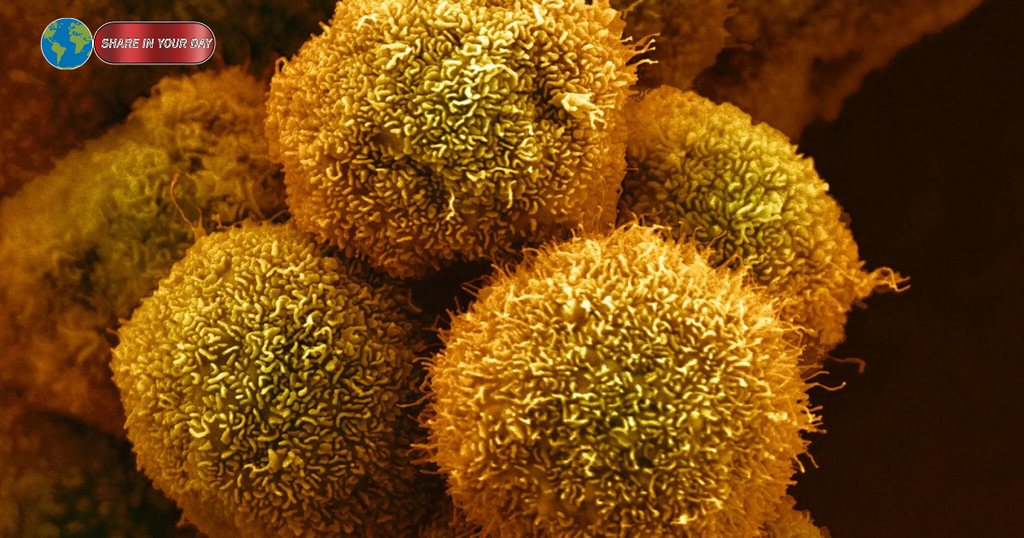
The U.S. Food and Drug Administration approved Rasonque, also known by its generic name daraxonrasib, on August 26 for adults with metastatic pancreatic adenocarcinoma who have received at least one previous systemic treatment or who are not candidates for multiagent systemic therapy.
The decision marks an important moment in cancer research because Rasonque targets the RAS family of proteins, a group of molecular drivers that has challenged researchers for decades.
In a Phase 3 trial, patients treated with daraxonrasib had a median overall survival of about 13.2 months, compared with 6.7 months for patients receiving chemotherapy selected by investigators.
That does not mean the medicine cures pancreatic cancer. It also does not mean every patient will experience the same benefit.
However, the results represent a significant advance for patients whose disease has progressed after earlier treatment.
Pancreatic cancer drug targets a difficult cancer pathway
The central story behind Rasonque is its target.
Daraxonrasib is designed to inhibit RAS signaling, a pathway involved in cancer-cell growth. The FDA describes Rasonque as a RAS inhibitor for the most common form of pancreatic cancer.
This is particularly important because pancreatic tumors frequently contain alterations involving KRAS.
For years, RAS proteins were considered exceptionally difficult targets for drug development. Their molecular structure made it challenging for conventional medicines to bind effectively and block their activity.
Researchers continued looking for new approaches.
The development of daraxonrasib reflects that long scientific effort. Rather than relying on traditional chemotherapy alone, the drug uses a targeted approach intended to interfere with RAS-driven signaling.
That difference is important.
Chemotherapy attacks rapidly dividing cells through mechanisms that can affect both cancerous and healthy tissue. A targeted medicine, by contrast, is designed around a particular biological feature of cancer.
Rasonque therefore represents more than another treatment option. It demonstrates that a pathway once viewed as extremely difficult to target can become a practical focus for therapy.
1. FDA approval opens a new treatment option
The first major fact is straightforward: Rasonque is now an approved treatment in the United States for a specific group of adults with metastatic pancreatic adenocarcinoma.
The FDA approved the medicine for patients who have received at least one prior systemic therapy or who are not candidates for multiagent systemic therapy.
This means the approval is not for every person diagnosed with pancreatic cancer.
It is specifically aimed at advanced disease and defined treatment circumstances.
That distinction matters when discussing the significance of the announcement.
Pancreatic cancer includes different stages and biological characteristics. Treatment decisions depend on factors such as whether the tumor can be surgically removed, whether it has spread, previous treatments and the patient’s overall condition.
Rasonque’s approval therefore adds another option to the treatment landscape rather than replacing existing therapies across the board.
For eligible patients, however, the availability of an approved targeted medicine can be especially meaningful when previous treatment has stopped controlling the disease.
2. The pancreatic cancer drug nearly doubled median survival
The most striking evidence behind the approval comes from the Phase 3 RASolute 302 trial.
According to the FDA, the study compared daraxonrasib with chemotherapy in patients with previously treated metastatic pancreatic adenocarcinoma.
Reported results showed median overall survival of approximately 13.2 months for patients receiving daraxonrasib, compared with 6.7 months for those receiving chemotherapy.
In simple terms, the median survival measure was almost twice as long in the daraxonrasib group.
That is a substantial difference in a disease where treatment options can become limited after progression.
Reuters similarly reported that the drug demonstrated a major survival benefit in advanced disease, helping drive the FDA’s expedited decision.
Still, median survival should be understood correctly.
It is not a prediction of how long every individual patient will live. Some patients live shorter periods, while others live much longer. Clinical trial results describe outcomes across a study population.
The results also do not establish that Rasonque is a cure.
Instead, the evidence indicates that the medicine can substantially extend survival for a defined group of patients.
3. Rasonque is a targeted treatment, not traditional chemotherapy
Another important feature is how the new pancreatic cancer drug works.
Rasonque is an oral RAS inhibitor. The treatment is intended to interfere with RAS signaling that helps cancer cells grow and survive.
That puts it in a different category from conventional cytotoxic chemotherapy.
The distinction could matter for both doctors and patients.
Traditional chemotherapy remains an important part of pancreatic cancer treatment. However, chemotherapy can cause significant side effects because it can damage healthy cells as well as cancer cells.
Targeted treatments aim to exploit specific biological vulnerabilities.
That does not mean they are free from side effects.
Rasonque’s prescribing information includes warnings involving dermatologic and soft-tissue toxicity, mouth inflammation and oral disorders, diarrhea, gastrointestinal perforation, interstitial lung disease or pneumonitis, and embryo-fetal toxicity.
Patients therefore need medical supervision when receiving the medicine.
The potential benefits must always be weighed against the risks for the individual patient.
4. The approval follows decades of scientific challenges
The significance of Rasonque becomes clearer when viewed against the history of RAS research.
RAS mutations have long been recognized as major drivers in cancer. Yet developing medicines that could effectively interfere with the proteins proved extraordinarily difficult.
Scientists spent decades searching for ways to exploit vulnerabilities in the RAS system.
That research eventually produced new strategies for targeting the pathway.
The breakthrough is not simply about one pharmaceutical company.
It represents the accumulation of work by researchers in molecular biology, chemistry, oncology and drug development.
The scientific challenge was especially important in pancreatic cancer because KRAS alterations are common in pancreatic tumors.
Researchers had to find a way to interfere with the cancer-driving signal without creating unacceptable toxicity.
Daraxonrasib is part of a broader movement toward developing medicines capable of targeting RAS-driven cancers.
Its approval could therefore encourage additional research.
5. The pancreatic cancer drug carries a substantial price
The breakthrough also comes with an important economic question.
Revolution Medicines has set the wholesale acquisition cost of Rasonque at $39,800 for a 30-day supply, based on the recommended daily dose.
That translates to a list-price level of nearly $478,000 for 12 months before insurance coverage, discounts or financial assistance are considered.
The actual amount paid by an individual patient can be very different depending on insurance, eligibility, assistance programs and other factors.
The cost is nevertheless likely to become part of the broader discussion surrounding access to the new treatment.
Cancer medicines can be expensive, particularly when they involve novel targeted therapies.
The challenge for healthcare systems will be ensuring that eligible patients can access the medicine while also managing the financial burden associated with advanced cancer care.
Why the FDA decision matters now
The timing of the FDA decision is also notable.
Pancreatic cancer remains one of the most difficult cancers to treat successfully, particularly after it becomes metastatic.
The American Cancer Society estimates that approximately 67,000 people in the United States will be diagnosed with pancreatic cancer in 2026.
The disease also has a low overall five-year survival rate compared with many other cancers.
That makes meaningful improvements in advanced-disease treatment especially valuable.
The FDA described the approval as providing a new treatment option months ahead of schedule.
For patients who have exhausted previous treatments, even an extension of survival can have enormous personal significance.
It can provide additional time with family, more opportunities to pursue everyday activities and, potentially, additional time for future treatments to become available.
The pancreatic cancer drug is not a universal cure
The excitement surrounding Rasonque needs to be balanced with realistic expectations.
The medicine has not eliminated pancreatic cancer.
Its approved use is also limited to a defined patient population.
Furthermore, clinical trial results cannot guarantee that an individual patient will experience the same response.
Cancer biology varies significantly between patients. Tumors can develop resistance, and treatments can produce different effects depending on the person’s health and disease characteristics.
That is why doctors will continue to assess each patient individually.
The new drug should be viewed as a significant addition to the treatment arsenal rather than a final solution to pancreatic cancer.
That distinction is especially important when reporting medical breakthroughs.
Side effects remain an important consideration
Like other cancer medicines, Rasonque comes with risks.
The FDA and manufacturer identify several important safety concerns, including skin and soft-tissue reactions, gastrointestinal problems and potentially serious lung complications.
Some patients in studies experienced skin reactions and digestive problems.
This does not mean every patient will experience severe side effects.
However, patients should understand that an effective cancer treatment can still carry meaningful risks.
Doctors will monitor patients and determine whether treatment should continue based on the balance between benefit and toxicity.
For patients and families, this is a critical part of the conversation.
A promising drug must be evaluated not only by how long it can extend survival, but also by how patients feel and function while receiving it.
What comes next for Rasonque?
The FDA approval could be only the beginning of the drug’s development story.
Researchers are interested in whether RAS-targeting approaches can eventually help patients earlier in the course of pancreatic cancer or people with other cancers driven by RAS alterations.
The company has also been investigating daraxonrasib in additional settings.
If future studies demonstrate that the medicine can safely benefit broader groups of patients, its potential clinical impact could grow considerably.
That work will require additional evidence.
Drug development does not end when the FDA grants an approval. Researchers continue collecting safety and effectiveness data while investigating new combinations, treatment lines and disease settings.
The results of those studies will determine how widely the medicine can eventually be used.
A potential turning point in cancer research
The most important part of the story may extend beyond pancreatic cancer.
RAS proteins are involved in a wide range of cancers.
That means a successful RAS-targeting strategy could influence research into other difficult-to-treat tumors.
Scientists have spent decades trying to overcome the limitations that once made RAS appear nearly impossible to target.
Rasonque does not solve every problem associated with RAS-driven cancer.
But its approval provides evidence that the pathway can be attacked therapeutically in at least one major cancer setting.
That could encourage pharmaceutical companies and academic researchers to continue developing related approaches.
In that sense, the drug could become an important proof of concept.
What patients should know
Patients should not interpret news about Rasonque as a reason to change treatment without speaking to their oncology team.
The FDA approval applies to a specific indication.
Whether the drug is appropriate depends on the patient’s diagnosis, previous treatments, overall health and other clinical factors.
Patients interested in Rasonque should discuss the treatment with a qualified oncologist who can review their individual circumstances.
Medical decisions should be based on professional evaluation rather than headlines or social media reports.
For people facing metastatic pancreatic cancer, however, the approval provides something that has often been difficult to find: another evidence-based treatment option.
Final verdict on the pancreatic cancer drug breakthrough
The FDA approval of Rasonque represents a major development in pancreatic cancer treatment.
The pancreatic cancer drug, also known as daraxonrasib, targets RAS signaling and has been approved for adults with metastatic pancreatic adenocarcinoma who have received at least one prior systemic therapy or who are not candidates for multiagent systemic therapy.
Its Phase 3 results are particularly notable. Median overall survival reached about 13.2 months with daraxonrasib compared with 6.7 months with investigator-selected chemotherapy.
That result does not make Rasonque a cure.
It does, however, mark a substantial step forward for a disease that has historically offered limited options after progression.
The approval also represents the culmination of years of scientific work aimed at targeting RAS proteins.
For eligible patients, the development could mean more time and another opportunity to control an aggressive disease.
For researchers, it could open a wider path toward RAS-targeted cancer medicines.
And for the broader field of oncology, Rasonque offers a powerful reminder that targets once considered too difficult to attack can eventually become the foundation of new treatments.