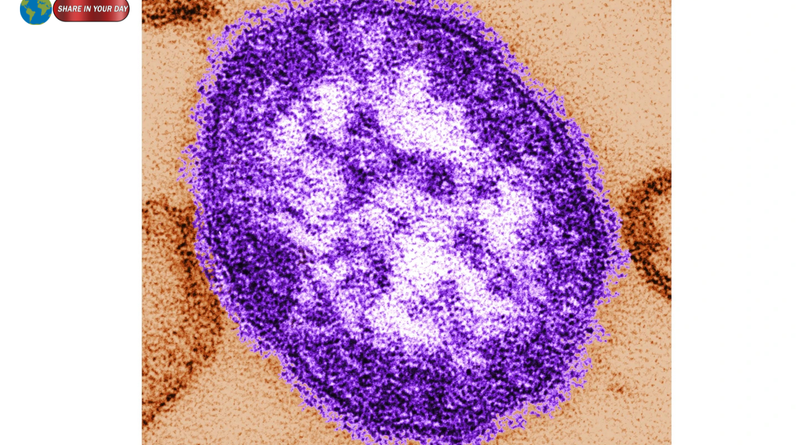
Pennsylvania Measles Deaths: 2 Infants, 620+ Cases
The Pennsylvania measles deaths reported this summer have taken a new turn after a county coroner released details about the two infants involved. One infant died directly from a measles infection, while the other died from a ruptured spleen after testing positive for the virus, according to Lancaster County Coroner Dr. Stephen Diamantoni.
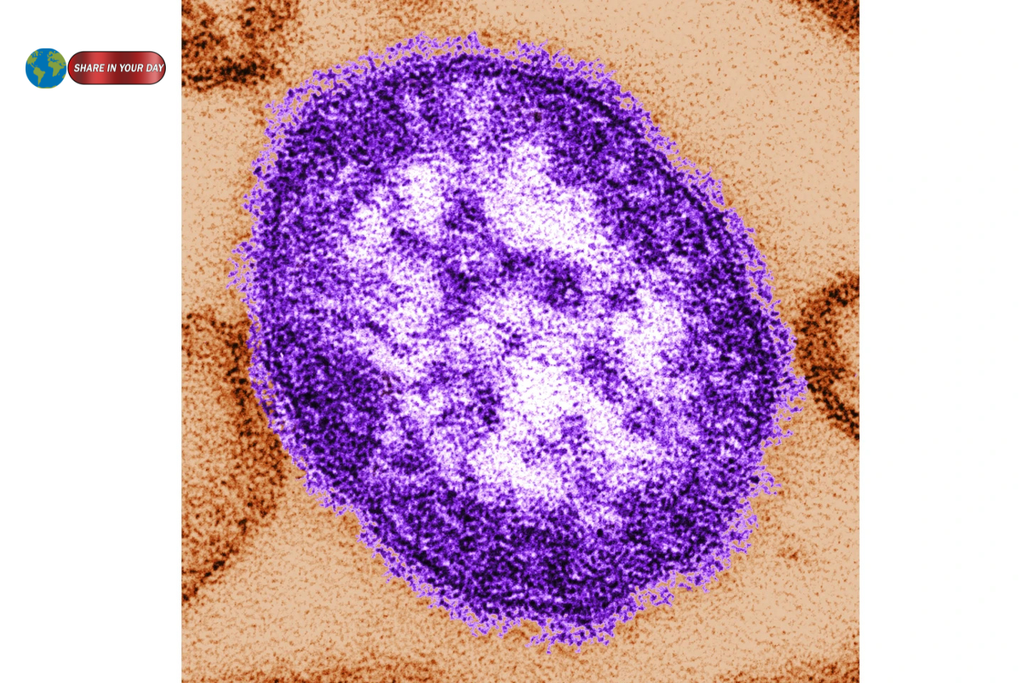
The new information comes as Pennsylvania’s measles outbreak continues to expand. The Associated Press reported Wednesday that more than 620 measles cases have been reported across 37 Pennsylvania counties in 2026. The state’s latest official update, issued Sept. 8, recorded 582 confirmed cases in 37 counties, illustrating how quickly the outbreak has been developing.
The deaths have also become part of a growing national debate over how measles-related fatalities should be classified and reported.
Pennsylvania Measles Deaths Involve Two Infants
The Lancaster County coroner identified the two infants as Mary Stoltzfus and Ivan Miller.
Stoltzfus was six weeks old when she died Aug. 18 at her home. According to Diamantoni, a measles infection caused her death.
The infant had been born with Amish lethal microcephaly, a rare genetic condition associated with an unusually small head and severe underdevelopment of the brain. Children born with the condition typically have a very short life expectancy.
Because of her age, Stoltzfus was not eligible for routine measles vaccination.
Miller, meanwhile, died shortly after his birth on Aug. 14. A coroner’s autopsy determined that he died from a ruptured spleen. Tests also found evidence that he had measles.
However, Diamantoni said measles did not cause the spleen rupture or contribute to the fatal injury. The virus was listed on the death certificate as a significant condition present at the time of death.
The distinction is important because it separates a death caused by measles from a death in which a person happened to have a measles infection.
Why the Infant Deaths Are Being Examined Closely
The classification of measles deaths has received unusual attention because measles fatalities are relatively rare in the United States after decades of widespread vaccination.
The World Health Organization considers measles a highly contagious airborne disease capable of causing serious complications and death. Globally, measles continues to cause tens of thousands of deaths each year, with young children disproportionately affected.
In the United States, however, measles had become uncommon enough that determining whether an individual death was caused by the virus was no longer a frequent public-health issue.
That has changed as vaccination coverage has declined and measles infections have increased.
The Pennsylvania cases therefore raise two separate questions.
First, did the individuals have measles?
In both cases, the answer is yes.
Second, did measles cause or contribute to their deaths?
The answer is more complicated, particularly for Miller.
Diamantoni concluded that Stoltzfus died from measles. He concluded that Miller died from a ruptured spleen and that measles was not responsible for the injury.
The distinction could affect how the cases are counted by federal health authorities.
CDC Has Not Yet Added the Deaths to Its Count
The Centers for Disease Control and Prevention has not yet reflected the two Pennsylvania deaths in its national measles-associated death reporting, according to AP.
The CDC website says its reporting will be updated as additional information becomes available and relevant reviews are completed.
That delay has added another layer to an already heated political dispute.
Pennsylvania officials have emphasized the seriousness of the outbreak and the importance of vaccination. At the same time, U.S. Health Secretary Robert F. Kennedy Jr. has publicly questioned earlier reports about the Pennsylvania fatalities.
The disagreement has raised concerns among some public-health experts about whether political conflict could undermine confidence in disease surveillance.
For families, however, the central issue remains the same: measles is highly contagious, and vaccination remains the strongest available protection.
Pennsylvania Measles Outbreak Continues to Grow
The latest Pennsylvania numbers show that the outbreak is not slowing significantly.
On Sept. 8, the Pennsylvania Department of Health reported 582 confirmed measles cases across 37 counties. The state also reported 98 hospitalizations and two cumulative measles-associated deaths.
Earlier state updates show how rapidly the numbers have increased.
On Aug. 28, Pennsylvania reported 460 cases in 31 counties. By Aug. 31, the number had reached 497 cases in 34 counties. On Sept. 2, it reached 540 cases in 36 counties, followed by 577 cases in 37 counties on Sept.
That means the outbreak has expanded both in the number of infections and in geographic reach.
The Pennsylvania Department of Health says it has been conducting vaccination clinics and working with local communities and health-care providers to contain transmission. Nearly 4,000 MMR vaccinations had been administered through 120 pop-up clinics by Sept. 8, according to the department.
Why Measles Can Spread So Quickly
Measles is among the most contagious infectious diseases known.
The virus spreads when an infected person breathes, coughs or sneezes. According to Pennsylvania health officials, the virus can remain infectious in the air and on surfaces for up to two hours after an infected person has left an area.
Symptoms commonly begin with fever, cough, a runny nose and red, watery eyes. A characteristic rash then develops, often beginning on the head and spreading downward.
The disease can produce serious complications, including pneumonia and inflammation of the brain.
Pennsylvania health officials estimate that nearly 20% of people who contract measles are hospitalized. Death is uncommon but can occur, with the department citing roughly one to three deaths for every 1,000 measles cases.
That risk is particularly concerning when transmission reaches communities with lower vaccination coverage.
MMR Vaccine Remains the Main Protection
The MMR vaccine remains the primary tool for preventing measles.
The CDC says two doses of MMR vaccine are about 97% effective at preventing measles. One dose is about 93% effective.
The CDC also says that maintaining vaccination coverage above 95% is important for community immunity. When coverage falls below that level, pockets of susceptible people can allow measles to spread more easily.
That threshold matters because measles can move rapidly through a population once the virus finds enough people who lack immunity.
CDC data show that MMR coverage among U.S. kindergartners declined from 95.2% during the 2019-2020 school year to 92.4% during the 2025-2026 school year. The agency estimates that roughly 280,000 kindergartners were at risk during the latter school year.
Those numbers help explain why a disease that was eliminated from continuous U.S. transmission in 2000 can once again produce large outbreaks.
Infants Face a Particular Risk
The Pennsylvania infant deaths also highlight a difficult reality of measles prevention.
Very young babies are generally too young to receive their routine measles vaccination.
That means their protection can depend partly on the immunity of people around them.
When vaccination rates remain high, infants who cannot yet be vaccinated benefit from the reduced circulation of the virus in their community. But when measles spreads widely, those protections become weaker.
This is one reason health officials focus on maintaining high vaccination coverage across entire communities rather than protecting only individuals.
The CDC describes measles as one of the most contagious human diseases and says communities need very high vaccination coverage to prevent sustained transmission.
Lancaster County Remains a Key Area of Concern
Lancaster County has been at the center of Pennsylvania’s 2026 measles outbreak.
The state has previously identified the Lancaster-Lebanon region as an area of particular concern and has increased vaccination efforts there.
In June, Pennsylvania health officials said they were working with community organizations and health-care providers to respond to increasing measles cases, particularly among people who were not fully vaccinated.
The state later launched a public measles dashboard providing information about cases, counties, hospitalizations and vaccination activity.
[INTERNAL LINK: Pennsylvania Measles Outbreak Updates]
For residents, the dashboard and local health departments provide more useful information than social-media speculation because they track confirmed cases and public-health interventions.
The Political Fight Over Pennsylvania Measles Deaths
The Pennsylvania measles deaths have also become entangled in a broader political dispute over vaccines and public-health policy.
Gov. Josh Shapiro has emphasized vaccination as a way to prevent measles infections and deaths. Kennedy, who oversees the federal health agencies, has questioned the reported fatalities and the way they were initially described.
Public-health experts have warned that the political dispute could distract from the underlying outbreak.
The central scientific questions are relatively straightforward: whether a person had measles, whether measles caused or contributed to death, and what evidence supports that conclusion.
Those questions can be investigated through medical records, laboratory testing, death certificates, autopsies where appropriate and epidemiological review.
The disagreement becomes more consequential when it affects public confidence in official health data.
Why the Outbreak Matters Beyond Pennsylvania
Pennsylvania’s outbreak is part of a broader U.S. measles resurgence.
CDC surveillance shows that measles cases have risen significantly in recent years while national vaccination coverage has fallen below the level generally needed to prevent sustained transmission.
The United States eliminated endemic measles transmission in 2000. That achievement did not mean the virus disappeared globally.
Imported infections can still enter the country because measles continues to circulate internationally.
WHO says measles remains a serious global health threat and estimated about 95,000 measles deaths worldwide in 2024. The organization also reported that global vaccination coverage remains below the levels needed to eliminate the disease everywhere.
As long as measles circulates elsewhere, countries with declining immunity remain vulnerable to outbreaks.
What Parents Should Know
Parents who are unsure about their child’s vaccination status should check medical records and speak with a health-care professional.
The CDC recommends two routine doses of MMR vaccine for children. Specific recommendations can vary based on age, travel, outbreak exposure and other circumstances.
Anyone who believes they may have been exposed to measles and develops symptoms should contact a health-care provider before arriving at a medical facility. Calling ahead allows staff to take precautions to reduce the risk of exposing other patients.
Pennsylvania health officials have established a hotline for people who believe they were exposed to measles and are experiencing symptoms.
[INTERNAL LINK: Measles Symptoms and Prevention Guide]
What Happens Next
The Pennsylvania outbreak is likely to remain under close observation as health officials work to identify new infections and increase vaccination coverage.
The latest figures show that the virus continues to reach new counties, while hospitalizations underscore that measles is not simply a mild childhood illness.
The two infant deaths have also created an important test for public-health reporting.
One case has been identified by the county coroner as a death caused by measles. The other involved a measles-positive newborn whose death was attributed to a ruptured spleen, with measles listed as a significant condition but not the cause of the fatal injury
Federal health officials have yet to incorporate those cases into the CDC’s official count.
As the review continues, the most important facts remain clear: measles is extremely contagious, infants can be especially vulnerable because they are too young for routine vaccination, and high vaccination coverage remains the most effective way to prevent sustained transmission.
For Pennsylvania, the immediate challenge is stopping the outbreak from growing further.
For the rest of the country, the outbreak is another warning that diseases once pushed into the background can return quickly when community immunity declines.