
BYD EV Supply Crisis Revealed: Demand Outpaces Production
The BYD EV supply crisis is emerging as one of the most unexpected challenges in the global electric vehicle industry in 2026. While many automakers struggle to generate demand, Chinese EV giant BYD is facing the opposite problem: it simply cannot build enough vehicles to meet surging global demand.
According to recent reports, the company’s biggest obstacle is no longer geopolitical barriers such as access to the United States market. Instead, the real issue lies in production capacity constraints, as demand for BYD’s electric vehicles continues to exceed supply across multiple regions.
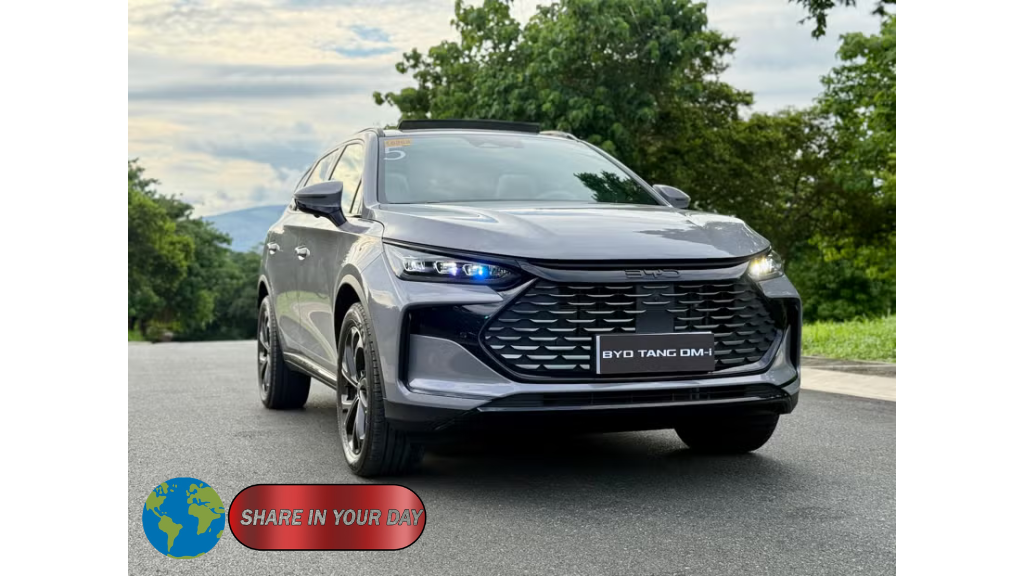
Demand for EVs Is Surging Worldwide
The BYD EV supply crisis is closely tied to a broader global trend—the rapid rise in electric vehicle adoption. High fuel prices, stricter emissions regulations, and growing environmental awareness are pushing consumers toward EVs at an unprecedented rate.
BYD, which has become one of the world’s largest EV manufacturers, has benefited enormously from this shift. The company has expanded aggressively into markets across Europe, Asia, and emerging economies, offering competitively priced vehicles with advanced battery technology.
However, this rapid growth has created a supply-demand imbalance. Simply put, demand is growing faster than BYD’s ability to manufacture vehicles at scale.
Production Bottlenecks Take Center Stage
At the heart of the BYD EV supply crisis are production bottlenecks. Scaling EV manufacturing is a complex process that involves:
- Battery production capacity
- Semiconductor availability
- Supply chain coordination
- Factory expansion timelines
Even though BYD has strong vertical integration—producing its own batteries and key components—the company is still struggling to keep up with global demand.
This challenge is not unique to BYD, but it is particularly significant given the company’s rapid expansion and ambitious sales targets. Analysts note that production limitations could slow BYD’s momentum if not addressed quickly.
Not the U.S.—A Shift in Strategic Focus
For years, analysts believed that BYD’s biggest challenge would be entering the United States market, where regulatory barriers and tariffs limit Chinese automakers.
However, the BYD EV supply crisis reveals a different reality. The company’s immediate concern is not market access but production capacity. Even without a strong presence in the U.S., BYD is already struggling to meet demand in regions where it operates.
This shift highlights how global EV competition is evolving. Instead of fighting for customers, leading manufacturers are now racing to scale production efficiently.
Domestic Challenges Add Pressure
While global demand remains strong, BYD is also facing challenges in its home market of China. Reports indicate that the company has experienced declining domestic sales amid intense competition and price wars.
This creates a complex situation:
- High international demand
- Slowing domestic growth
- Increasing competition from local rivals
Despite these pressures, the BYD EV supply crisis suggests that production constraints remain the more urgent issue compared to demand fluctuations.
Competition in the EV Industry Intensifies
The global EV market is becoming increasingly competitive, with major players like Tesla continuing to innovate and expand.
Although BYD has previously overtaken Tesla in global EV sales, the competition remains fierce. Both companies are investing heavily in:
- Battery technology
- Autonomous driving systems
- Manufacturing efficiency
At the same time, traditional automakers and new startups are entering the EV space, further intensifying competition.
In this context, the BYD EV supply crisis could become a critical factor that determines future market leadership.
Technology as a Potential Solution
To address production challenges, BYD is investing in new technologies, particularly in battery innovation and fast-charging systems.
Recent developments include advanced battery designs that reduce charging time significantly, making EVs more appealing to consumers. These innovations could help BYD maintain its competitive edge while improving production efficiency.
However, technology alone may not be enough. Scaling manufacturing capacity requires massive investments in infrastructure, workforce, and supply chains.
The Role of Global Expansion
BYD’s global expansion strategy is both a strength and a challenge. On one hand, entering new markets increases demand and revenue opportunities. On the other hand, it puts additional pressure on production capacity.
The company has been expanding into:
- Europe
- Southeast Asia
- Latin America
This expansion is driving the BYD EV supply crisis, as new markets quickly absorb available inventory.
To address this, BYD is expected to invest in overseas manufacturing facilities, which could help balance supply and demand in the long term.
Supply Chain Complexity in the EV Era
The BYD EV supply crisis also highlights the complexity of modern EV supply chains. Unlike traditional vehicles, EVs rely heavily on:
- Lithium-ion batteries
- Rare earth materials
- Advanced electronics
Any disruption in these components can significantly impact production.
Although BYD has a strong supply chain compared to many competitors, global demand for key materials continues to rise, creating additional pressure.
Industry-Wide Implications
The challenges faced by BYD are not isolated. The entire EV industry is grappling with similar issues, including:
- Rapid demand growth
- Supply chain constraints
- Infrastructure limitations
However, BYD’s situation is particularly noteworthy because it underscores a major shift in the industry. The focus is no longer just on innovation or market expansion—it is increasingly about manufacturing scale.
What This Means for Consumers
For consumers, the BYD EV supply crisis could have several implications:
- Longer waiting times for vehicles
- Potential price increases
- Limited availability in certain markets
At the same time, strong demand indicates growing confidence in EV technology, which could accelerate further adoption in the coming years.
Looking Ahead: Can BYD Keep Up?
The key question now is whether BYD can overcome its production challenges and maintain its position as a global EV leader.
The company’s future success will likely depend on its ability to:
- Expand manufacturing capacity
- Strengthen supply chains
- Continue technological innovation
If BYD can address these issues effectively, it could solidify its dominance in the EV market. However, failure to do so could open the door for competitors to gain ground.
Conclusion
The BYD EV supply crisis marks a turning point in the global electric vehicle industry. Instead of struggling to attract customers, BYD is now racing to keep up with overwhelming demand.
This shift reflects the rapid evolution of the EV market, where success is increasingly defined by production capacity rather than just innovation.
As the world moves toward a more sustainable future, the ability to scale manufacturing will become one of the most critical factors in determining which companies lead the next generation of mobility.