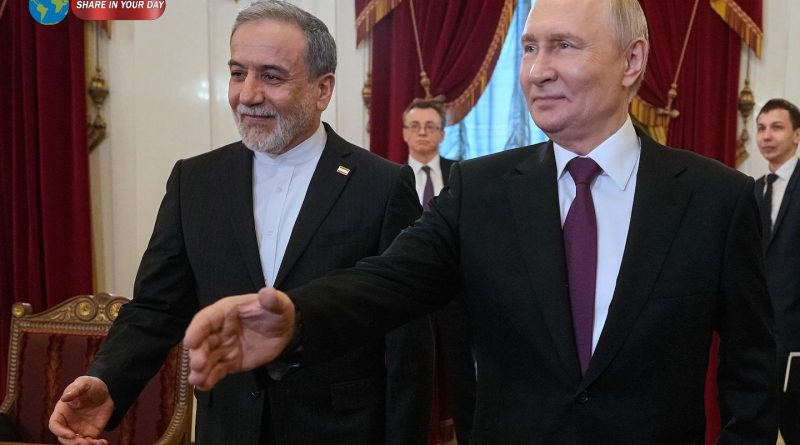
Iran Russia Talks Revealed: 5 Shocking War Twists
The latest Iran Russia Talks have added a dramatic new layer to the already volatile 2026 Middle East conflict. As diplomatic efforts between Iran and the United States falter, Tehran is increasingly turning to Moscow for support, signaling a potential geopolitical shift with far-reaching consequences.
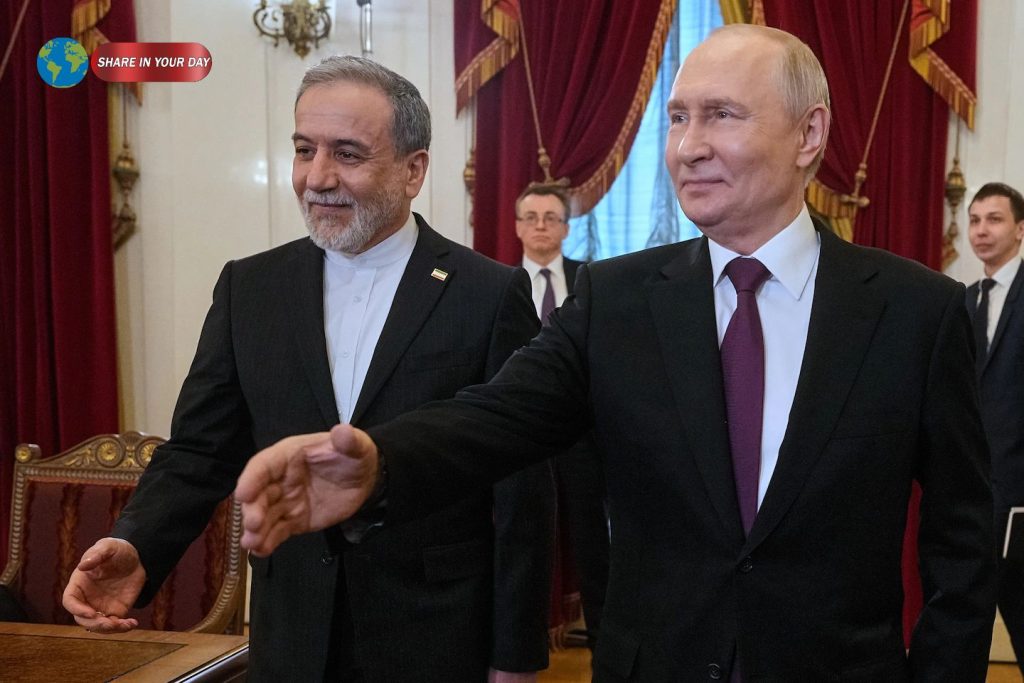
At the center of this development is Iranian Foreign Minister Abbas Araghchi’s high-stakes meeting with Russian President Vladimir Putin, a move that reflects growing frustration with stalled negotiations involving U.S. President Donald Trump. The situation highlights a complex web of alliances, strategic maneuvering, and rising global tensions.
A Diplomatic Pivot Toward Russia
The Iran Russia Talks began gaining momentum after U.S.-Iran negotiations showed signs of collapse. Iranian Foreign Minister Abbas Araghchi traveled to Russia to meet President Vladimir Putin in St. Petersburg, seeking diplomatic backing and coordination.
According to reports, Putin pledged to do “everything possible” to help stabilize the region, though he remains cautious not to jeopardize Russia’s broader strategic interests, particularly in Ukraine.
This balancing act underscores Russia’s dual role: a potential mediator and a strategic partner to Iran.
At the same time, Tehran views Moscow as a critical ally capable of countering U.S. pressure. The meeting signals that Iran is preparing for a prolonged diplomatic and military standoff.
1. U.S.-Iran Talks Are Breaking Down
One of the most striking developments is the apparent collapse of direct diplomatic momentum between Washington and Tehran.
Plans for further negotiations in Pakistan were abruptly canceled after President Donald Trump withdrew U.S. envoys.
This move has raised serious questions about the future of peace talks. While Trump has publicly suggested that Iran could initiate contact if it wants negotiations, Tehran has responded cautiously, indicating that trust remains low.
As a result, the diplomatic process is now fragmented, with multiple channels operating independently and often at odds.
2. Iran Proposes a Strategic Compromise
Despite tensions, Iran has put forward a proposal that could reshape negotiations.
The plan suggests separating the Strait of Hormuz issue from broader nuclear talks. Under this framework:
- Iran would consider reopening the Strait of Hormuz
- The United States would need to lift its naval blockade
- Nuclear discussions would be postponed
This proposal reflects a pragmatic approach by Tehran, focusing on immediate economic and strategic concerns while delaying more complex issues.
However, Washington remains skeptical, viewing the proposal as an attempt to gain leverage without addressing core concerns about Iran’s nuclear program.
3. Russia’s Strategic Position Becomes Clearer
Russia’s involvement in the Iran Russia Talks is both strategic and calculated.
On one hand, Moscow has expressed support for Tehran and signaled willingness to help mediate. On the other hand, Russia is careful not to alienate the United States completely, especially as it seeks favorable outcomes in its own geopolitical priorities.
This delicate balance suggests that Russia is positioning itself as:
- A diplomatic broker
- A strategic partner to Iran
- A beneficiary of rising global energy prices
Analysts note that prolonged instability in the Middle East could indirectly benefit Russia by increasing oil prices and diverting Western attention from other conflicts.
4. Strait of Hormuz Remains a Major Flashpoint
While diplomacy continues, the situation on the ground remains tense—particularly in the Strait of Hormuz.
Iran has tightened control over the strategic waterway, deploying mines and patrol boats to enforce its presence. Meanwhile, the U.S. Navy continues to redirect vessels linked to Iran as part of its blockade strategy.
The result is a dangerous standoff:
- Both sides are exerting control over key maritime routes
- Commercial shipping faces severe disruption
- Energy markets are reacting with volatility
Oil prices have surged, with Brent crude reaching around $108 per barrel amid fears of prolonged supply disruptions.
This highlights how closely global economic stability is tied to developments in the region.
5. A Fragile Ceasefire Under Pressure
Despite ongoing hostilities, a fragile ceasefire between the United States and Iran technically remains in place.
However, the ceasefire is under constant strain due to:
- Continued vessel seizures by both sides
- Regional conflicts, including clashes involving Israel and Hezbollah
- Lack of progress in formal negotiations
These factors create an environment where even minor incidents could escalate into broader conflict.
The absence of a unified diplomatic framework further complicates efforts to stabilize the situation.
The Role of Trump in the Negotiations
President Donald Trump’s approach to the Iran conflict has been both assertive and unpredictable.
On one hand, he has pushed for strong military and economic pressure, including the naval blockade of Iranian ports. On the other hand, he has indicated openness to negotiations—provided Iran makes the first move.
This dual strategy reflects a broader effort to maintain leverage while leaving the door open for a deal.
However, critics argue that the lack of consistency has contributed to confusion and mistrust, making it harder to achieve meaningful progress.
Iran’s Strategic Calculations
For Iran, the Iran Russia Talks are part of a broader strategy to navigate a complex geopolitical landscape.
Key objectives include:
- Breaking out of economic isolation
- Countering U.S. military pressure
- Securing support from major powers like Russia
By engaging with Moscow, Tehran is signaling that it has alternatives to direct negotiations with Washington.
This approach could strengthen Iran’s bargaining position—but it also risks deepening global divisions.
Global Implications of the Talks
The implications of the Iran Russia Talks extend far beyond the Middle East.
Energy Markets
Rising oil prices are affecting economies worldwide, contributing to inflation and uncertainty.
Geopolitical Alliances
The alignment between Iran and Russia could reshape global power dynamics, particularly if it leads to deeper cooperation.
Diplomatic Frameworks
The fragmentation of negotiations raises concerns about the effectiveness of traditional diplomatic channels.
Regional Stability
Ongoing conflicts in Lebanon and elsewhere add further complexity, increasing the risk of wider escalation.
What Happens Next?
The future of the Iran Russia Talks remains uncertain, but several scenarios are possible:
1. Renewed Negotiations
Diplomatic efforts could resume, potentially involving multiple countries and mediators.
2. Prolonged Stalemate
The current situation could continue, with limited progress and ongoing tensions.
3. Escalation
A major incident—such as a large-scale attack—could trigger a broader regional conflict.
Each scenario carries significant risks and uncertainties.
Conclusion
The Iran Russia Talks represent a critical turning point in the 2026 conflict.
As Iran seeks support from Russia and negotiations with the United States stall, the geopolitical landscape is shifting rapidly. The involvement of major powers, combined with ongoing tensions in key strategic areas like the Strait of Hormuz, underscores the global significance of this crisis.
Ultimately, the path forward will depend on whether diplomatic efforts can overcome mistrust and competing interests. Until then, the world remains on edge, watching closely as events continue to unfold.