Iran War: 5 Global Commodity Risks Revealed
The Iran war is disrupting far more than the global oil market. The conflict has triggered a broader commodities crisis involving liquefied natural gas, helium, sulfur, fertilizer and other industrial materials that are essential to modern economies.
The disruption is centered around the Strait of Hormuz, one of the world’s most important energy corridors. Before the conflict, the waterway carried roughly one-fifth of global oil and gas supplies. Recent shipping data shows how severely traffic has fallen. On Thursday, only four commodity vessels crossed the strait, compared with a 10-day average of about 16.
That decline is creating consequences well beyond gasoline prices.
Iran War Keeps Oil Markets Under Pressure
Oil remains the most visible impact of the Iran war.
Global crude prices have risen sharply as traders assess the risk of prolonged supply disruptions. On Sept. 18, Brent crude settled at $104.87 a barrel, while U.S. West Texas Intermediate ended at $100.30. Prices eased that day after China urged Iran to help limit attacks on Saudi oil infrastructure, but the underlying supply risks remain.
The situation is complicated by damage to Saudi Arabia’s East-West pipeline, which normally provides an alternative route for moving crude toward the Red Sea.
Saudi Arabia is working to restore part of the pipeline’s capacity. Meanwhile, Saudi Aramco is reportedly using ship-to-ship transfers near Oman to move additional crude toward Asian buyers. Those efforts have helped increase available supplies, but they cannot completely remove the risks surrounding the region’s shipping routes.
For consumers, higher crude prices can eventually translate into more expensive gasoline, diesel, aviation fuel and transportation.
LNG Faces a Major Supply Challenge
The natural gas market is facing a separate problem.
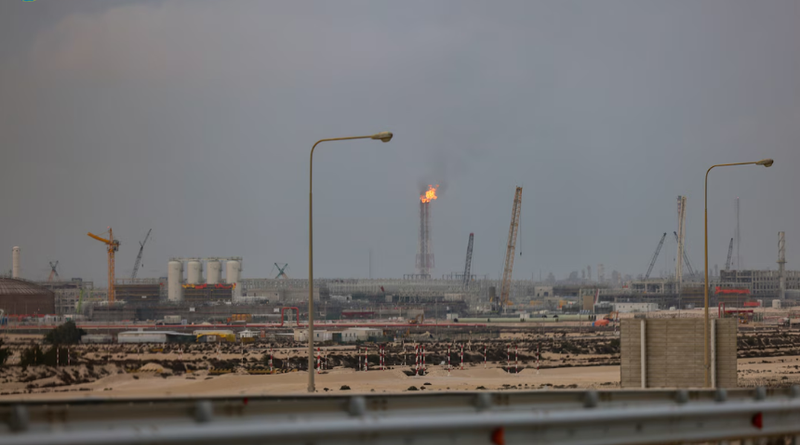
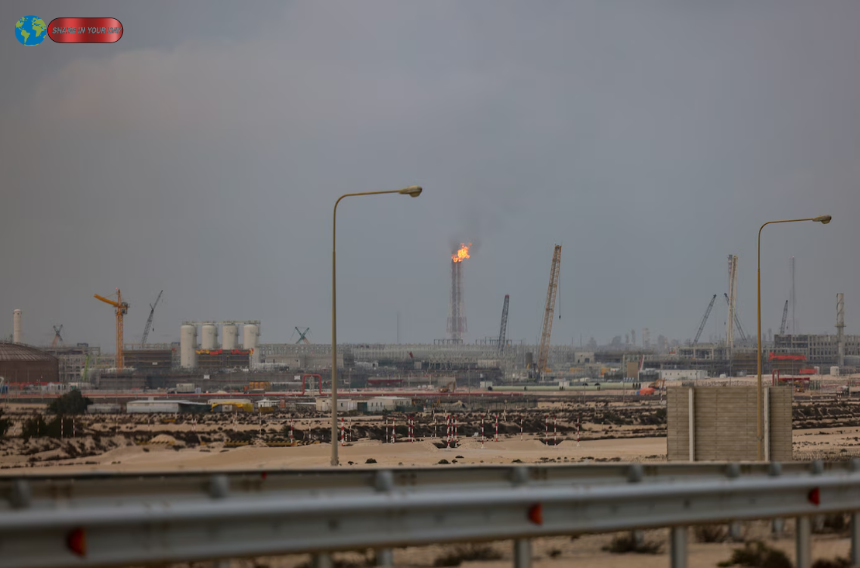
Qatar is one of the world’s most important LNG suppliers, and much of its production normally travels through the Strait of Hormuz. Damage to facilities at Ras Laffan has already affected Qatar’s ability to produce and export LNG.
The Washington Post analysis highlighted the scale of the disruption, noting that damage to two LNG production trains at Ras Laffan reduced Qatar’s LNG capacity while also affecting several other commodities produced at the same industrial complex.
The impact is becoming especially important as winter approaches.
European gas storage levels remain unusually low, while Asian buyers are also competing for available LNG cargoes. Reuters reported that Europe entered the autumn with storage around 67% full, well below the European Union’s target of 80% by December.
A colder-than-normal winter could therefore place additional pressure on prices and supplies.
Helium Shortage Could Hit Technology and Medicine
One of the less obvious consequences of the Iran war involves helium.
Helium is not simply used for balloons. It plays an important role in MRI machines, semiconductor manufacturing, aerospace equipment and other specialized applications.
The problem is that helium is difficult to store for long periods. A disruption to production can therefore create shortages that cannot easily be solved by drawing on conventional strategic reserves.
The attack on Qatar’s Ras Laffan facilities affected helium production alongside LNG and other commodities. The Washington Post reported that QatarEnergy expected helium exports to fall by 14% following the damage.
For the technology industry, the timing is particularly significant. Semiconductor manufacturing requires helium for specialized cooling and production processes, meaning a shortage could create another pressure point in an already complex global chip supply chain.
Fertilizer Prices Are Rising
The consequences are also reaching agriculture.
The Middle East plays an important role in the global fertilizer and petrochemical supply chain. Higher energy and chemical costs can make fertilizer production more expensive, while disruptions to natural gas supplies can force some fertilizer plants to reduce or stop production.
The Washington Post reported that urea prices had risen to about $700 per metric ton, compared with approximately $450 before the conflict. Fertilizer plants in India, Bangladesh and Pakistan have also faced production disruptions.
That creates a potential second-round effect.
Farmers facing higher fertilizer costs may reduce applications or pass additional expenses through to food markets. For countries that depend heavily on imported fertilizer, prolonged disruption could become an agricultural and food-security concern.
Sulfur and Industrial Materials Face New Risks
Another critical material receiving less attention is sulfur.
Sulfur is an important input for producing sulfuric acid, which is widely used in mining, chemical manufacturing and semiconductor production. The Strait of Hormuz disruption has therefore affected a commodity that is essential to several industries but rarely receives attention from consumers.
The World Economic Forum has identified sulfur, methanol, fertilizers, aluminum and other materials among commodities exposed to the disruption around the strait.
The importance of these materials becomes clearer when looking at the supply chain as a whole. A shortage of one industrial input can slow production even when factories have adequate supplies of energy and other raw materials.
That is why the current crisis cannot be measured only by the price of crude oil.
Asia Faces Particularly High Exposure
Asian economies are especially vulnerable because they are major destinations for Middle Eastern oil and LNG.
Japan, South Korea, China and India all rely on energy imports from the region to varying degrees. The disruption is forcing governments and companies to look for alternative sources while also reconsidering longer-term energy strategies.
Japan and South Korea have already taken steps to increase the flexibility of their power systems as LNG supplies have been disrupted. According to the Washington Post analysis, South Korean coal generation increased sharply in April, while Japan also increased coal use.
At the same time, some countries are accelerating investments in renewable energy, nuclear power and alternative supply routes.
The Economic Impact Could Last Beyond the War
The biggest question is how long the disruptions will continue.
Even if fighting eventually ends, damaged infrastructure, altered shipping patterns and depleted inventories could take months or years to normalize. Companies may also rethink where they source critical materials, potentially changing global supply chains permanently.
The Iran war has demonstrated how closely connected energy and industrial markets have become. Oil, LNG, helium, fertilizer, sulfur and aluminum may appear to belong to separate industries, but disruptions in one region can affect all of them simultaneously.
The immediate focus remains on reopening shipping routes and restoring production. Yet the longer-term consequence may be a global reassessment of supply-chain security.
For governments and businesses, the lesson is increasingly clear: access to critical commodities cannot depend entirely on a single shipping corridor or a handful of production hubs.
The conflict may eventually end, but the economic vulnerabilities exposed by the crisis are likely to influence energy and industrial policy long afterward.