Porsche Mission S Unveiled as a Bold New Supercar Above the 911
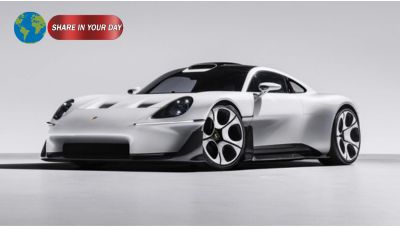
Porsche has unveiled the Mission S, a striking mid-engine supercar concept that signals an ambitious new direction for the German automaker. Positioned above the iconic Porsche 911, the car previews a future performance model designed to combine the company’s motorsport heritage with a more dramatic design and a driver-focused interior.
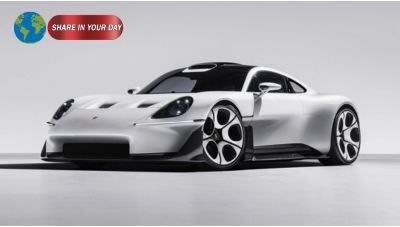
Revealed in New York on October 15, 2026, the Mission S is more than a styling exercise. Porsche says the concept previews a new mid-engine super sports car platform intended to become a permanent part of its model range, rather than an exclusive, limited-production hypercar. The company has not yet disclosed the production model’s final specifications, price or confirmed launch date.
Top Gear
+1
The announcement comes as Porsche works to strengthen its business and refine its product strategy. With the Mission S, the company is looking toward a premium segment where distinctive engineering, emotional design and high performance can help its cars stand apart.
Here are seven important details about Porsche’s new supercar concept and what it could mean for the brand.
1. A New Flagship Positioned Above the Porsche 911
The Mission S introduces a new ambition for Porsche’s sports-car lineup. Although the 911 remains one of the company’s most recognizable models, the Mission S is intended to occupy a higher position, offering a more specialized mid-engine driving experience.
Porsche chief executive Michael Leiters described the project as a mid-engine super sports car platform that will sit above the 911 and become a lasting addition to the company’s offerings.
That distinction is important. Porsche has produced exceptional high-performance cars before, including limited-run models that demonstrate the brand’s engineering capabilities. The Mission S, however, is intended to establish a more permanent category within the range.
A dedicated platform could give Porsche greater flexibility to develop future versions of the car while spreading engineering investment across multiple configurations. It would also allow the company to compete more directly in the premium supercar market.
For prospective buyers, the Mission S represents a possible alternative to established high-performance models from Ferrari and McLaren. Its eventual position will depend on its powertrain, performance figures and pricing, all of which remain unconfirmed.
2. Exterior Design Blends Porsche Heritage With a Modern Shape
The Mission S is designed to be recognizable as a Porsche without simply repeating the familiar appearance of the 911.
At the front, the concept features distinctive headlights, a sculpted bonnet and prominent front fenders. Its low nose and wide stance give it an aggressive appearance, while the flowing roofline emphasizes the proportions of a mid-engine car.
The bodywork also incorporates large aerodynamic elements along the sides and a rear wing integrated into the overall design. A roof scoop adds another visual feature while reinforcing the car’s performance-oriented character.
Porsche design chief Tobias Sühlmann described the concept as part of a broader effort to evolve the company’s design identity. The objective is to preserve familiar brand characteristics while introducing new proportions and details that can influence future vehicles.
Porsche Newsroom
+1
The result is a car that looks connected to Porsche’s past but more dramatic than its traditional sports cars. Its broad rear section, compact cabin and sculpted surfaces communicate the priorities of a high-performance machine.
Rather than relying entirely on decorative styling, the design attempts to connect the car’s appearance with its mid-engine architecture and aerodynamic needs.
3. Classic Porsche Models Inspire the Mission S
Porsche has drawn on several important vehicles from its history when developing the Mission S.
The 911 is reflected in the concept’s familiar front-end details, while the legendary 959 and Carrera GT provide inspiration for the flowing roofline and rear profile. The shape of the front section also recalls the Porsche 911 GT1, a competition-focused car that helped define the company’s performance image.
Another notable reference appears in the wheels. Their design draws inspiration from the Porsche 928, a front-engine grand tourer produced from 1978 to 1995.
The roof scoop and cooling arrangement also have historical significance. Porsche has linked the exposed radiator-fan concept to the 917 endurance racer, a car closely associated with the company’s success in motorsport.
These references are more than nostalgic details. They demonstrate how Porsche intends to use its heritage as a foundation for future design rather than treating its classic models as isolated achievements.
For enthusiasts, the combination of familiar cues and new proportions could make the Mission S particularly appealing. It presents a different interpretation of Porsche identity while retaining elements that longtime fans can recognize.
4. The Production Engine Remains a Mystery
One of the biggest unanswered questions concerns what will power the production version of the Mission S.
Porsche has confirmed the mid-engine architecture but has not revealed the final powertrain specifications. That means details such as engine displacement, cylinder configuration, output, torque, transmission and acceleration remain unknown.
The concept’s central engine layout places the powertrain behind the cabin and ahead of the rear axle. This arrangement can help deliver the proportions and weight distribution associated with many high-performance supercars.
Speculation has focused on the possibility of a flat-eight engine, partly because of developments in the wider performance-car industry. However, Porsche has not confirmed that configuration, and it would be premature to treat any rumored engine specification as final.
The company will also need to decide how the Mission S fits into its wider approach to electrification. Porsche has invested heavily in electric vehicles, but its sports-car strategy also recognizes the continued appeal of combustion-powered performance.
The final powertrain will help define the Mission S’s character. A naturally aspirated engine, a turbocharged configuration or some form of electrification would each produce a different driving experience.
Until Porsche releases official technical details, the engine remains one of the most intriguing aspects of the project.
5. A Driver-Focused Cabin Rejects the Oversized Screen Trend
The Mission S’s interior follows a philosophy that puts the driver ahead of digital spectacle.
Instead of installing a large, permanently integrated central touchscreen, Porsche has designed the cabin around physical controls, a prominent instrument display and a retractable smartphone holder. The phone can provide navigation and other information through the My Porsche app when required.
The steering wheel and dashboard are arranged to keep important controls within easy reach. Physical push-pull switches provide access to selected functions, while digital controls supplement them where appropriate.
The instrument cluster combines analogue character with modern display technology. A central rev counter remains a visual focal point, reinforcing the importance of engine speed and driver engagement in a performance car.
Porsche has also incorporated a specially designed key holder to the left of the steering wheel, following a traditional arrangement associated with the brand.
This approach contrasts with the growing number of vehicles that place nearly every function inside a touchscreen interface. Porsche appears to be making a deliberate statement that performance cars should prioritize direct interaction and minimize distractions.
The cabin’s final production specification could change, but the concept establishes a clear direction: technology should support the driving experience rather than dominate it.
Porsche Newsroom
+1
6. New York Provides a Historic Setting for the Reveal
Porsche chose a location in Queens, New York, with particular significance to the company’s history.
The Mission S was presented on the same pier associated with photographs of the Porsche 550 Spyder in 1953. That earlier sports car helped establish Porsche’s identity in the United States and became an important part of the brand’s early reputation.
The choice of location connected the new concept with the company’s origins as a maker of distinctive, competition-inspired sports cars.
The 550 Spyder was small and lightweight compared with modern supercars, but it demonstrated how Porsche could compete through engineering and carefully considered design. The Mission S applies a similar emphasis on identity to a much more powerful and sophisticated vehicle category.
The historical connection also supports Porsche’s broader message: future products should evolve without abandoning the qualities that made the brand successful.
By placing the Mission S in a setting associated with its past, Porsche presented the concept as part of a continuing story rather than a complete break from its established identity.
7. The Mission S Could Help Shape Porsche’s Future
The Mission S arrives at a time when Porsche is reviewing how it develops and markets its vehicles.
The company faces pressure to improve financial performance while adapting to changing customer preferences and the cost of developing new technology. Its strategy includes a renewed emphasis on distinctive, high-value vehicles alongside its established sports cars and SUVs.
A permanent supercar platform could support that direction by giving Porsche a new flagship product with room for future development.
However, the Mission S remains a vision model. Its appearance does not guarantee that every design feature will survive into production, and the absence of confirmed powertrain specifications makes it difficult to assess the finished car’s performance or market position.
The company must still demonstrate that it can turn the concept into a commercially viable vehicle without compromising the design and engineering ambitions on display.
Price will also be a major factor. A model positioned above the 911 is likely to target a more exclusive group of buyers, but Porsche has not announced official pricing or a confirmed delivery schedule.
The Mission S therefore offers a glimpse of the company’s intentions rather than a complete preview of a finished production car.
Conclusion: Porsche’s Next Supercar Takes Shape
The Porsche Mission S marks a significant step in the company’s plans for its future sports-car lineup. With mid-engine proportions, styling inspired by classic Porsche models and a cabin designed around the driver, the concept combines familiar brand characteristics with a more ambitious supercar format.
Its most important feature may be the platform it previews. Porsche is planning a permanent high-performance model above the 911, giving the company an opportunity to expand into a more exclusive segment without relying solely on limited-edition vehicles.
Many crucial questions remain unanswered, particularly regarding the engine, performance figures, final price and production schedule. Those details will determine whether the Mission S can match the promise of its design.
For now, Porsche has made its direction clear. The Mission S is intended to preserve the spirit of its historic sports cars while establishing a new flagship for the next stage of the brand’s development.