
Trump’s UN Ambassador Says Iran Was Not Negotiating in Good Faith
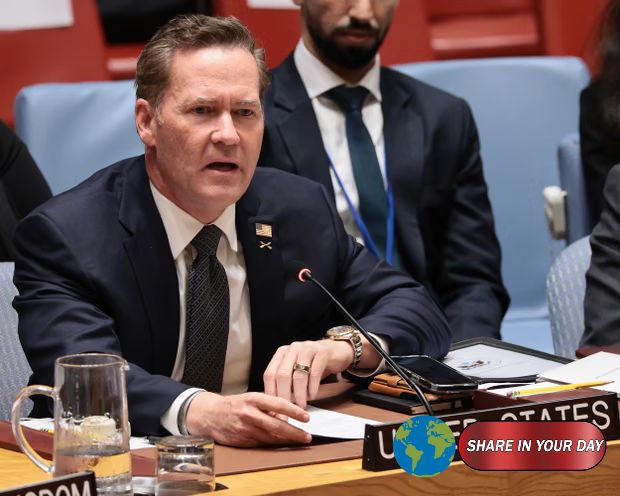
The Trump administration has rejected Iran’s latest proposal aimed at ending the ongoing conflict, with US Ambassador to the United Nations Mike Waltz saying Tehran was seeking major concessions before meaningful negotiations could begin.
Speaking on CNN’s State of the Union, Waltz defended President Donald Trump’s decision to reject an Iranian proposal that included steps toward reopening the strategically important Strait of Hormuz and restarting discussions over Iran’s nuclear program. Waltz argued that Iran’s demands required the United States to provide economic relief and other concessions before Washington could be confident that Tehran was prepared to follow through on its commitments.
The comments came as diplomatic efforts surrounding the conflict remained uncertain and both Washington and Tehran continued to signal that military confrontation could resume.
US Rejects Iran’s Proposal
According to Waltz, Iranian negotiators wanted sanctions relief before agreeing to broader negotiations. The Trump administration has imposed economic pressure on Iran as part of its effort to force Tehran to halt attacks affecting shipping through the Strait of Hormuz.
Waltz said the Iranian side was effectively asking the United States to provide concessions first, while promising that negotiations would follow. The ambassador said Trump was not convinced that Iran was approaching the process seriously enough to justify such an arrangement.
The dispute centers on the Strait of Hormuz, one of the world’s most important energy shipping routes. The waterway has become a major flashpoint during the conflict, with attacks on commercial shipping contributing to disruption in energy markets and increasing international pressure for a diplomatic settlement.
Trump has argued that Iran is seeking an agreement because of the pressure created by the conflict and the economic consequences facing the country. The president has also maintained that the United States has gained significant control over the situation surrounding the waterway.
Iran Says Diplomacy Remains Possible
Iranian officials have presented a different picture of the diplomatic situation.
Foreign Minister Abbas Araghchi said Tehran remains prepared for negotiations while maintaining that reopening the Strait of Hormuz depends on specific conditions being met. He argued that diplomacy remains the only realistic path toward resolving the confrontation.
Iranian President Masoud Pezeshkian similarly said his government was prepared to discuss its nuclear program and other issues but would not accept negotiations conducted under threats or coercion.
Pezeshkian also reiterated Iran’s position that it does not seek war but would defend itself against military pressure and attacks. At the same time, he indicated that Tehran had already accepted the principle that Iran should not develop nuclear weapons.
The competing statements highlight the central problem facing diplomatic efforts: Washington and Tehran remain divided over what must happen before negotiations can produce a lasting agreement.
Previous Agreement Remains a Point of Dispute
Waltz also pointed to an earlier US-Iran framework as evidence for the administration’s skepticism.
He referred to a memorandum of understanding reached in Pakistan in June that established a 14-point framework for pursuing a negotiated settlement. According to Waltz, Iran subsequently violated the understanding by attacking international shipping.
The United States has argued that those attacks demonstrate why Washington is reluctant to provide major concessions before receiving concrete commitments from Tehran.
Iran, however, continues to maintain that its actions are connected to the wider conflict and that a negotiated settlement remains possible if the United States changes its approach.
The disagreement over the earlier framework has therefore become part of the broader debate over whether future diplomatic commitments can be trusted.
China’s Role Adds Another Layer
Waltz also addressed reports that China may have assisted Iran with missile targeting related to shipping in the Strait of Hormuz and US military positions in the region.
The ambassador did not confirm the intelligence reports but said Trump had raised concerns about Iran’s activities with Chinese President Xi Jinping during recent meetings.
According to Waltz, Trump has discussed the issue with Xi on multiple occasions, including during his visit to China earlier in the year. Waltz said Washington viewed any assistance that could facilitate attacks on international shipping as unacceptable.
The issue adds another complication to an already delicate diplomatic environment because China maintains important economic and strategic relationships with Iran while also seeking stable relations with the United States.
Waltz said recent discussions between Trump and Xi produced indications of movement in a more positive direction. He also pointed to statements following the summit emphasizing that Iran should not obtain a nuclear weapon and should not interfere with international shipping.
Questions Over the Next Phase of the War
Waltz rejected reports suggesting that the United States had already decided to resume a major bombing campaign against Iran after the November midterm elections.
Instead, he emphasized the administration’s stated objective of preventing Iran’s Islamic Revolutionary Guard Corps from obtaining nuclear weapons capability and using control over strategic waterways as leverage against other countries.
The comments come at a critical moment for the conflict. Iran says it remains prepared to resume fighting while simultaneously keeping the door open to diplomacy. The Trump administration, meanwhile, continues to demand stronger assurances before accepting an agreement.
The Strait of Hormuz remains at the center of the dispute. Any prolonged disruption to the waterway could continue affecting global energy supplies, shipping and prices, increasing pressure on governments across the region and beyond.
For now, Washington and Tehran remain far apart on the terms of a settlement. Both sides continue to speak about diplomacy, but their competing conditions demonstrate how difficult it will be to transform those statements into a durable agreement.
With military tensions still unresolved and negotiations facing significant obstacles, the next stage of the conflict may depend on whether both governments can establish enough trust to return to serious discussions while preventing further escalation.