Apple Routes a Graphite Pipe Through the iPhone Duo’s Hinge to Improve Cooling
Apple has developed an unusual solution to one of the biggest engineering challenges facing foldable smartphones. The company’s new iPhone Duo uses a flexible graphite pipe routed through its hinge to help transfer heat between the device’s two halves. The design aims to improve heat dissipation while maintaining the thin profile and mechanical flexibility required for a folding phone.

The iPhone Duo hinge cooling system addresses a problem that becomes particularly challenging when a smartphone folds in half. Powerful processors generate heat during demanding activities, including gaming, video recording, and artificial intelligence tasks. However, a foldable device has less freedom to distribute that heat across its internal structure.
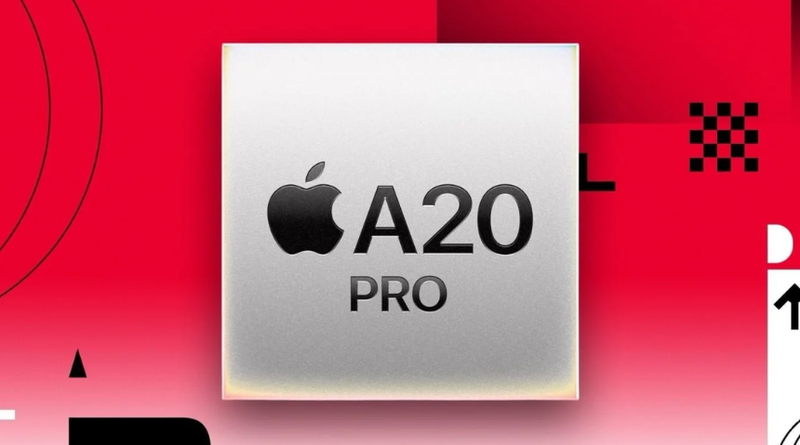
In an interview with PCMag, Apple executives Dan Murray, vice president of silicon engineering, and Banafsheh Barabadi, senior manager of thermal product design, explained how the company approached these challenges while developing the A20 Pro processor and its supporting thermal architecture.
iPhone Duo Hinge Cooling Solves a Difficult Engineering Problem
Traditional smartphones can spread heat across a relatively continuous internal structure. Foldable devices introduce another complication because their displays and chassis are divided into two sections connected by a moving hinge.
When the iPhone Duo is opened, its two halves provide a larger combined surface area for dissipating heat. When the device is folded, however, its thickness increases, changing the available paths through which heat can escape.
Apple addressed this limitation by integrating a flexible graphite pipe into the hinge itself. Rather than treating the hinge exclusively as a mechanical component, the company incorporated it into the phone’s thermal management system.
The graphite component transfers heat between the device’s two halves, increasing the surface area available for heat dissipation. This approach allows Apple to use more of the phone’s physical structure to manage temperatures.
However, the solution introduces demanding engineering requirements. The flexible material must withstand repeated opening and closing without losing its ability to transfer heat or compromising the hinge’s structural integrity.
Apple said its thermal and mechanical engineering teams worked together to develop the component and ensure that it could withstand repeated hinge movements throughout the product’s expected lifespan.
A20 Pro Chip Requires Advanced Thermal Management
The iPhone Duo is powered by Apple’s A20 Pro system-on-a-chip, which also powers the iPhone 18 Pro and iPhone 18 Pro Max.
The processor is built using a 2-nanometer manufacturing process and incorporates packaging changes designed to improve performance and heat management.
One important change involves the placement of the device’s memory. Earlier iPhone processors used package-on-package technology, positioning the DRAM directly above the main processor.
Although this arrangement saves valuable space, it can create a thermal bottleneck. The memory sits between the processor and parts of the surrounding cooling structure, making it more difficult to remove heat efficiently.
For the A20 Pro, Apple moved the DRAM alongside the processor instead of stacking it directly on top. This arrangement provides a more direct thermal path between the processor and the cooling system.
According to Apple’s engineering team, the change helps the chip transfer heat more efficiently into the surrounding device structure.
The improvement is particularly important for workloads that place sustained demands on the processor, including high-performance gaming, video recording, and on-device AI processing.
A Custom Vapor Chamber Supports iPhone Duo Hinge Cooling
Another important part of Apple’s thermal strategy is its vapor chamber technology.
A vapor chamber spreads heat across a broader surface through the movement and phase changes of an internal working fluid. It helps prevent heat from concentrating in a small area around the processor.
The iPhone 18 Pro models use a vapor chamber with a surface area three times larger than the one used in the iPhone 17 Pro, according to Apple’s engineering team.
The iPhone Duo requires a different approach because its folding design imposes tighter mechanical and spatial constraints.
Apple developed a thinner vapor chamber for the foldable model. Unlike the version used in the conventional Pro phones, this chamber is positioned within the device rather than serving as the central structural plane.
The flexible graphite pipe complements that cooling system by helping move heat between the two halves of the phone.
Together, these components form a thermal architecture designed around the specific demands of a foldable device.
Apple also developed a material called metal over foam to create a thermally effective but mechanically compliant connection between the processor and vapor chamber. This connection helps transfer heat while accommodating the device’s structural requirements.
Graphite Pipe Must Survive Repeated Folding
The graphite pipe is one of the most distinctive elements of the iPhone Duo’s design, but its long-term reliability will be just as important as its cooling performance.
A conventional thermal component can often remain fixed inside a device. A component routed through a hinge must tolerate repeated mechanical movement while maintaining consistent contact and thermal connectivity.
Every opening and closing cycle places demands on the materials surrounding the hinge. If the graphite component degrades, its ability to transfer heat could diminish over time.
Apple’s engineering team emphasized that the graphite pipe had to preserve both its thermal performance and structural integrity throughout the product’s lifecycle.
That requirement illustrates why designing a foldable smartphone involves more than making a screen flexible. Internal components must work together despite changing positions, limited space, and repeated mechanical stress.
The graphite pipe therefore represents both a thermal engineering solution and a mechanical design challenge.
What the Cooling Technology Means for iPhone Users
For consumers, the primary benefit of improved thermal management could be more consistent performance during demanding tasks.
Smartphone processors can reduce their operating speed when temperatures become too high. This behavior, commonly called thermal throttling, helps protect components but can affect performance during extended workloads.
A more effective cooling system may help the iPhone Duo manage heat more efficiently and sustain demanding tasks for longer periods.
The technology could also help Apple balance the competing goals of powerful processing, a slim design, and the durability required of a foldable phone.
Nevertheless, the presence of an advanced cooling system does not automatically guarantee superior real-world performance. Independent testing will be needed to determine how effectively the iPhone Duo controls temperatures during prolonged gaming, video recording, and other intensive activities.
Battery life, ambient temperature, software optimization, and individual usage patterns will also influence the overall experience.
Apple’s Foldable Design Brings New Engineering Possibilities
The iPhone Duo demonstrates how foldable smartphones require manufacturers to rethink internal components that conventional devices can accommodate more easily.
Apple’s use of a flexible graphite pipe shows that the hinge can serve a purpose beyond connecting two sections of a phone. By incorporating it into the thermal architecture, the company has created another route for managing heat in a compact enclosure.
The design also complements the A20 Pro’s revised processor packaging, specialized vapor chamber, and improved thermal interface materials.
Whether this approach ultimately delivers a meaningful advantage will depend on long-term durability and real-world performance. Still, it highlights the level of engineering required to combine powerful processing with a folding form factor.
As foldable smartphones become more sophisticated, thermal management will remain a critical factor in balancing performance, portability, and reliability. Apple’s graphite pipe offers a distinctive example of how manufacturers can adapt familiar materials and mechanical structures to address those challenges.