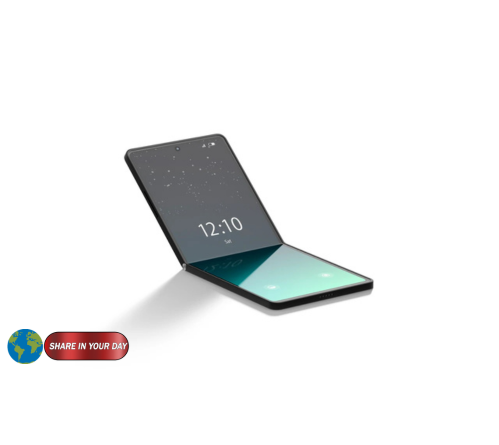
Samsung Galaxy Z8 Fold Gains Momentum
Samsung has spent years refining foldable smartphones, building a significant advantage in hardware development, software optimization and global distribution. The latest Galaxy Z8 lineup represents another effort to improve the practical appeal of devices that can function as both smartphones and larger-screen productivity tools.
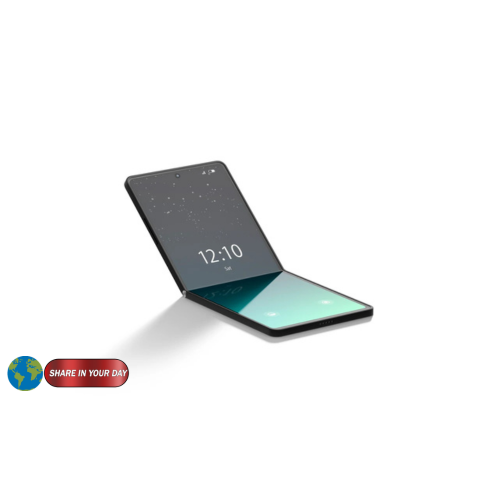
Counterpoint’s early sales figures indicate that Samsung’s strategy is finding support among consumers. The Galaxy Z8 series achieved an 8% year-over-year increase in sales during its first two weeks despite higher prices and supply constraints, according to the market research firm.
The performance is important because the foldable smartphone segment remains relatively small compared with the overall smartphone market. Manufacturers therefore need to convince consumers that the higher price of a foldable device is justified by improved productivity, entertainment and multitasking capabilities.
Samsung has increasingly focused on larger and wider displays as artificial intelligence features become more integrated into mobile devices. Larger screens can provide more room for multitasking, document editing, content creation and AI-assisted workflows.
Counterpoint has argued that the evolution of AI assistants could strengthen the appeal of foldable devices, particularly premium book-style smartphones that offer significantly more screen space when unfolded.
Apple’s Foldable Entry Could Transform the Market
While Samsung’s early sales momentum is encouraging, Apple’s expected arrival represents a potentially major turning point for the industry.
Apple is preparing to introduce its first folding iPhone, entering a category that Samsung and other manufacturers have developed for years. Reuters reported that Apple’s move into foldable smartphones could become one of the company’s most significant hardware developments in years.
The arrival of Apple could expand the overall market rather than simply take customers away from existing manufacturers. Apple has a large base of premium smartphone users, many of whom may be interested in foldable technology but have chosen to remain within the iPhone ecosystem.
Counterpoint Research forecasts that global foldable smartphone shipments will grow 21% year over year in 2026. Samsung is projected to remain the market leader, although its share could decline as Apple enters the category. Counterpoint expects Apple to capture approximately 25% of the global foldable market in its first year.
That forecast highlights the scale of the competitive change that could be approaching.
For Samsung, Apple’s arrival creates both risks and opportunities. The company could lose some market share, particularly in the premium segment where Apple has traditionally been strongest. However, increased attention on foldable smartphones could also bring millions of new consumers into the category.
Samsung Faces a New Competitive Challenge
Samsung’s biggest advantage remains its experience.
The company has spent several generations addressing the technical challenges associated with foldable displays, hinges, durability and software design. While earlier foldable devices faced questions about reliability and usability, Samsung has continued to refine the category with thinner designs, lighter hardware and improved displays.
That experience could become particularly valuable as Apple enters the market.
Samsung’s latest generation of foldables demonstrates how far the category has developed since the first Galaxy Fold. The company has worked to reduce weight and improve the overall design while continuing to position foldables as premium devices capable of handling both traditional smartphone tasks and larger-screen activities.
However, Samsung cannot rely entirely on its experience.
Apple has historically entered established product categories later than competitors, often focusing on refining the technology and integrating it with its broader ecosystem. If Apple can successfully address concerns about display creases, durability, battery life and software integration, its first foldable iPhone could quickly become a major competitor.
The challenge for Samsung will be retaining loyal foldable users while continuing to attract customers who may otherwise wait for Apple’s entry.
The Foldable Smartphone Market Is Growing
The broader market outlook remains positive.
Counterpoint Research expects global foldable smartphone shipments to grow by 21% in 2026. Samsung is projected to retain its leadership position with a 32% market share, followed by Apple and Huawei as competition intensifies.
Other industry forecasts also point toward continued expansion, although foldables remain a niche segment of the overall smartphone market. One industry analysis noted that foldable devices are expected to experience stronger growth in 2026 even though they still represent only a small percentage of total global smartphone sales.
This creates an important opportunity for major smartphone manufacturers.
As conventional smartphones become increasingly similar in design, companies are searching for new ways to differentiate premium devices. Foldable screens provide one of the clearest hardware differences available to consumers.
For users, the appeal is relatively straightforward: a foldable phone can offer the portability of a conventional smartphone while providing a larger display for work, video, gaming and multitasking.
The question is whether manufacturers can make the technology durable, affordable and useful enough to attract mainstream buyers.
Why the Samsung Galaxy Z8 Fold Matters
The strong early performance of the Samsung Galaxy Z8 Fold suggests that consumer interest is not waiting entirely for Apple.
Samsung’s early sales growth demonstrates that the company continues to benefit from its established position in the foldable market. Buyers who want a mature foldable experience already have access to multiple generations of Samsung hardware rather than needing to wait for Apple’s first attempt.
The timing is also strategically important.
A successful launch allows Samsung to establish a new base of customers before Apple enters the segment. Those customers may become more likely to remain within the Galaxy ecosystem, particularly if Samsung continues to improve software, artificial intelligence features and device integration.
Counterpoint believes Samsung still has major strengths in product maturity, distribution reach and foldable user experience, even as competition becomes more intense.
Those advantages could help Samsung defend its position, but the company is unlikely to face an easy market.
Apple’s entry could force all manufacturers to accelerate product development and improve the quality of their foldable devices.
Apple Could Expand Consumer Awareness
One of the biggest benefits for Samsung may come from increased public awareness.
Foldable smartphones have existed for years, but they remain unfamiliar to many consumers. Apple’s entry could bring significantly more attention to the category, particularly among buyers who have never seriously considered purchasing a foldable device.
The technology could become more mainstream if Apple’s marketing and ecosystem encourage consumers to view foldable smartphones as a new premium category rather than an experimental niche.
Industry analysts expect Apple’s arrival to reshape the competitive landscape. The company could attract significant demand because of its loyal customer base, while its participation may also encourage greater investment across the foldable smartphone supply chain.
Samsung will therefore face a difficult balancing act.
The company must defend its market leadership while benefiting from the broader growth that Apple could bring to the category.
The Premium Smartphone Battle Intensifies
The battle between Samsung and Apple has traditionally focused on conventional smartphones. The foldable category could create a new front in that competition.
Samsung already has years of experience, while Apple brings a powerful ecosystem and an enormous premium customer base.
The stakes are particularly high because foldable devices command premium prices. Reuters reported that Apple’s first folding iPhone is expected to enter the market at a price above $2,000, positioning it firmly in the high-end segment.
That price could limit adoption initially, but it also creates an opportunity for manufacturers to generate substantial revenue from a relatively small number of devices.
Samsung’s Galaxy Z8 Fold and related models will therefore compete not only on specifications but also on design, software, ecosystem integration and long-term durability.
Consumers may increasingly compare the two companies based on how effectively their foldable devices fit into everyday life.
What Comes Next for Samsung and Apple
Samsung’s strong early demand provides a positive signal, but the competitive landscape is about to become more complicated.
Apple’s expected foldable iPhone launch could attract new customers to the category and potentially reshape market-share rankings over the next several years. Counterpoint projects Samsung will remain the leading foldable smartphone manufacturer in 2026, but Apple’s arrival is expected to significantly reduce Samsung’s dominance.
For Samsung, the immediate objective is clear: continue converting early interest in the Galaxy Z8 Fold into sustained sales.
The company will need to demonstrate that its years of experience provide real advantages in design, reliability and usability. It will also need to continue improving its foldable technology as Apple raises consumer expectations for the category.
The next phase of the foldable smartphone market may therefore be defined by a simple question: Can Samsung’s experience maintain its leadership, or will Apple’s arrival fundamentally change the industry?
The early success of the Samsung Galaxy Z8 Fold suggests Samsung is entering that battle from a position of strength. But with Apple preparing to bring its influence to foldable smartphones, the competition for the future of the premium mobile market is only beginning.