iPhone 18 Launch: Apple Reveals September 9 Event
The iPhone 18 launch is officially moving closer, with Apple confirming that it will hold a major product event on September 9, setting the stage for what could become one of the company’s most important iPhone announcements in years. The event will also mark a major leadership moment, as John Ternus prepares to take over as Apple CEO from Tim Cook.
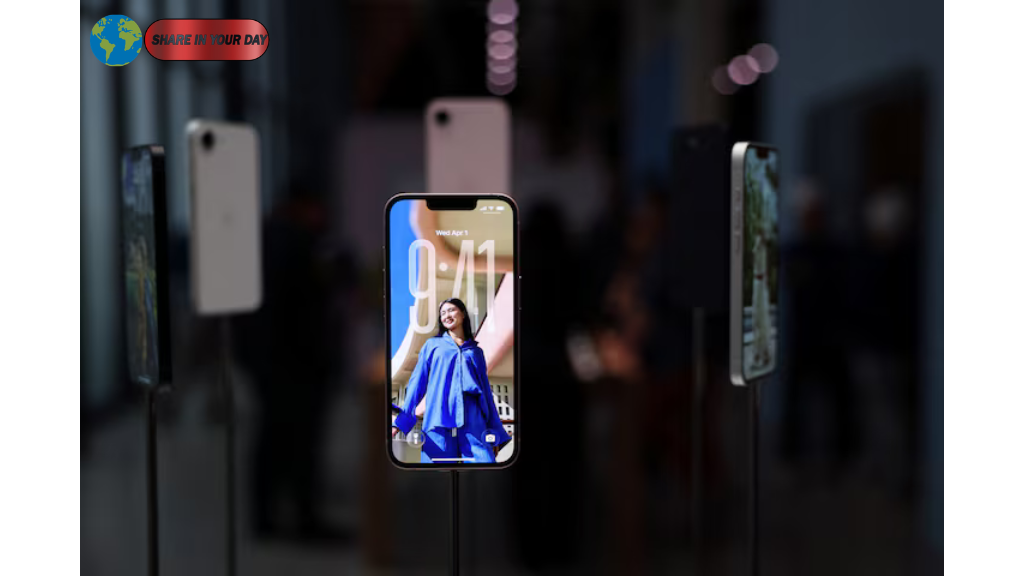
Apple confirmed that its special event will take place on Wednesday, September 9, at 10 a.m. Pacific Time. The company says the event will be available through Apple.com, Apple TV and YouTube Live.
Reuters reports that Apple is expected to introduce its latest iPhone lineup at the event, with particular attention on a potential foldable iPhone. If unveiled, the device would represent Apple’s entry into a smartphone category that Samsung has helped develop for years.
The announcement therefore goes beyond another annual iPhone upgrade.
Apple is preparing to enter a new phase in both product design and corporate leadership.
iPhone 18 Launch Comes With a Major Leadership Change
The iPhone 18 launch will be the first major Apple product event under incoming CEO John Ternus.
Ternus, Apple’s longtime hardware chief, is scheduled to become CEO on September 1. Tim Cook will move into the role of executive chairman. Reuters says Ternus’ appointment was announced in April and was viewed as a signal that Apple intends to build further on its traditional strength in hardware and devices.
That makes the September event particularly significant.
Apple’s product launches have historically been closely associated with the company’s leadership. A new CEO presenting a major iPhone generation — potentially including the company’s first foldable phone — creates an important opportunity for Ternus to establish his priorities publicly.
The timing also gives Apple a chance to reassure investors and customers that its hardware strategy remains a central part of its growth plans.
Apple Could Finally Enter the Foldable Phone Market
The biggest potential announcement at the event is Apple’s long-rumored foldable iPhone.
Reuters reports that analysts expect Apple to introduce a foldable model with a screen roughly comparable in size to an iPad mini when opened.
Apple would be entering the market considerably later than some competitors.
Samsung has already established itself as a leading name in foldable smartphones. The South Korean company has spent years refining devices that use flexible displays and hinge mechanisms to provide larger screens in compact designs.
Apple’s late arrival, however, could be strategically important.
Rather than being an early experimenter, Apple would be entering a market after consumers have had years to become familiar with the concept. The company could therefore focus on premium design, software integration, durability and a polished user experience.
The challenge will be price.
Foldable smartphones remain significantly more expensive than conventional flagship phones because of their complicated displays, hinges and internal components.
For Apple, that high price could become either a problem or an advantage.
Why the Foldable iPhone Matters to Apple
A foldable iPhone could give Apple another premium product category at a time when the broader smartphone market is facing significant pressure.
Reuters reports that analysts believe high-end foldable devices could become an important driver of higher average selling prices and profit margins for Apple.
The strategy would fit Apple’s existing approach to premium hardware.
Instead of competing primarily on low prices, Apple has consistently focused on convincing consumers to pay more for higher-end devices and services.
A foldable iPhone could extend that strategy.
The device would likely sit at the upper end of Apple’s smartphone range, potentially attracting existing iPhone owners who want a substantially different form factor rather than a conventional yearly upgrade.
It could also encourage users who have delayed upgrading to finally purchase a new device.
Samsung Faces a New Premium Rival
Apple’s entry would put additional pressure on Samsung, which currently dominates the foldable smartphone segment.
Samsung has invested heavily in foldable technology and has continued introducing new designs as it attempts to make the category more mainstream.
Reuters notes that Samsung recently introduced a new passport-sized foldable device as it works to defend its position ahead of Apple’s expected entry.
Apple’s arrival could accelerate competition.
Consumers could soon have more choices between traditional foldable designs, compact flip-style phones and Apple’s own interpretation of the technology.
The competition could also push manufacturers to improve durability, battery life, cameras and software.
For consumers, that could ultimately be one of the most important consequences of the iPhone 18 launch.
Foldable Smartphone Market Expected to Grow
Despite the premium prices, analysts see potential in the foldable market.
Reuters cited IDC projections showing that Apple could ship more than 17 million foldable iPhones by 2027. IDC also expects global foldable smartphone shipments to rise 12.6% this year.
That growth would stand in sharp contrast to the broader smartphone market.
Reuters reported that global smartphone shipments are expected to experience a record decline of 16.7%.
The contrast highlights why manufacturers are paying attention to foldable devices.
Traditional smartphones have become highly mature products. Major manufacturers can improve cameras, processors and displays, but the basic rectangular design has remained largely unchanged.
Foldable phones offer a different path.
They can provide users with a larger display without requiring a permanently larger device.
For Apple, that could create a new upgrade cycle.
Supply Chain Problems Could Complicate the Launch
The iPhone 18 launch is taking place against a difficult backdrop for consumer electronics manufacturers.
Reuters reports that a severe shortage of memory and storage chips has pushed up costs and weakened consumer demand. Apple has already increased prices across some Mac and iPad models as it deals with rising costs.
Apple said in July that it was facing significant supply-chain shortages and expected those problems to affect sales during the current quarter.
That creates an important challenge for the upcoming iPhone generation.
A new foldable device is likely to require more complicated components than a conventional smartphone. Flexible displays, specialized hinges and additional engineering can all increase production costs.
Apple must therefore balance innovation with margins.
If the foldable iPhone is priced too aggressively, it could limit demand. If Apple absorbs too much of the increased manufacturing cost, the product could put pressure on margins.
The company will need to convince consumers that the additional cost is justified.
What to Expect From the iPhone 18 Lineup
Apple has not publicly confirmed the full product lineup for the September event.
However, Reuters reports that the company is expected to unveil its newest iPhone series and potentially the first foldable model.
That distinction is important.
Confirmed information about the event should be separated from speculation about individual products, specifications and prices.
Apple’s official announcement confirms the September 9 event, but it does not provide a complete list of products that will appear on stage.
Consumers should therefore expect further details to emerge as the event approaches.
The company may also use the presentation to emphasize improvements in performance, cameras, battery technology, software and Apple Intelligence.
But the foldable iPhone is likely to receive the greatest attention if it is officially unveiled.
Apple Needs Another Strong Upgrade Cycle
The timing of the iPhone 18 launch is also important because Apple benefited from strong demand for its previous iPhone generation.
Reuters reported that last year’s iPhone 17 lineup helped stimulate a strong consumer upgrade cycle. Apple introduced a slimmer iPhone Air and added improvements to its standard iPhone models.
Apple will now want to maintain that momentum.
The challenge is that annual smartphone upgrades have become less dramatic for many users.
A consumer with a relatively recent iPhone may have little reason to replace it simply because the newest model has a faster processor or slightly improved camera.
A foldable design could change that calculation.
It represents a much more visible difference from previous generations.
For Apple, that could make the product particularly valuable as a tool for encouraging upgrades among customers who might otherwise keep their existing phones for another year.
The New CEO’s First Major Test
The September event will also serve as an early test for John Ternus.
Taking over Apple is an enormous challenge under any circumstances. Doing so while introducing a potentially transformational new iPhone design adds another layer of pressure.
Ternus has spent much of his Apple career working on hardware, making the iPhone and other devices a natural area of expertise.
His promotion therefore gives Apple continuity while still marking a change at the top.
The September 9 event could offer the first public indication of how Ternus intends to communicate Apple’s future.
Investors will likely watch not only the products but also the messaging surrounding growth, margins, artificial intelligence and the company’s broader hardware strategy.
Consumers, meanwhile, will focus on something simpler: whether the new iPhone is worth buying.
Why September 9 Could Be a Turning Point
Apple’s September product events are traditionally among the biggest dates on the technology calendar.
This year’s event has additional significance because several major developments are converging at once.
First, Apple is preparing to introduce a new generation of its most important product.
Second, the company could finally enter the foldable smartphone market.
Third, the event comes immediately after a major CEO transition.
Fourth, Apple is operating in a smartphone market facing weaker overall demand and supply-chain pressures.
Together, those factors make September 9 more than a routine product launch.
It could be a statement about where Apple intends to go next.
What the Foldable iPhone Could Mean for Consumers
If Apple launches a foldable iPhone, consumers will likely have several questions.
How durable will it be?
How much will it cost?
Will the hinge remain reliable after years of use?
How will Apple adapt iOS to the larger internal display?
And perhaps most importantly, will the device offer enough advantages over a conventional iPhone to justify its premium?
Apple’s software ecosystem could become a major advantage.
The company controls both the hardware and operating system, allowing it to optimize the user experience more tightly than many competitors.
A successful foldable iPhone could therefore depend less on simply creating a flexible screen and more on making the entire interface feel natural across different display sizes.
That is where Apple’s late entry could potentially become an advantage.
The company has had years to observe what works and what does not in existing foldable phones.
Apple September 9 Event: What Happens Next
Apple’s official event is scheduled for September 9 at 10 a.m. Pacific Time. The presentation will be available through Apple’s online channels, Apple TV and YouTube Live.
Until then, many details about the products remain unconfirmed.
The most significant possibility is the foldable iPhone.
If Apple does introduce the device, it could reshape the company’s premium smartphone strategy and intensify competition with Samsung.
The launch could also have implications for the wider smartphone industry. A successful Apple foldable could encourage more consumers to consider the category and persuade other manufacturers to accelerate their own designs.
For Apple, however, the stakes are more immediate.
The company needs continued growth, stronger premium-device demand and successful navigation of rising component costs.
The iPhone 18 launch could address all three challenges if Apple’s new products resonate with consumers.
But the biggest question will remain unanswered until Apple takes the stage: can a foldable iPhone become the next major upgrade that convinces millions of people to replace devices they are already comfortable using?
On September 9, Apple will begin providing the answer.