U.S. Beef Supply Crisis: 5 Alarming Signs in 2026
The U.S. beef supply is facing a serious squeeze as cattle numbers remain historically low and ranchers struggle to rebuild herds fast enough to meet consumer demand. Farmers are warning that the problem is no longer simply about high cattle prices — there are fewer animals available to move through the beef production system in the first place.
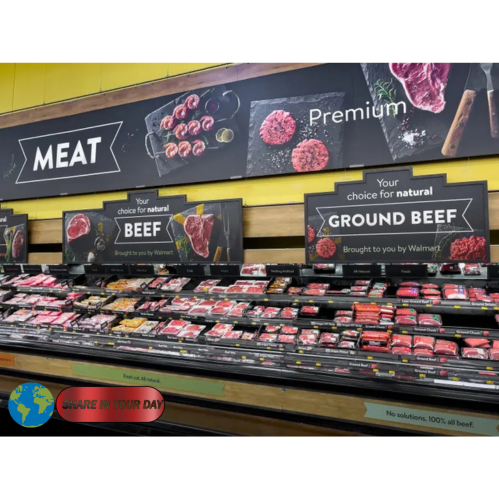
The warning comes as Americans continue to face unusually expensive beef at grocery stores and restaurants. Ground beef prices reached about $7.16 per pound in August, according to data cited by WTTW, representing a 7.9% increase from a year earlier.
Meanwhile, cattle supplies remain tight enough that the U.S. Department of Agriculture has reduced its expectations for beef production in 2026 and 2027. Low slaughter numbers are expected to limit production even as consumers continue to demand beef.
The situation has put American cattle producers in a difficult position. Ranchers can benefit from historically strong cattle prices, but rebuilding a herd takes years, requires land and feed, and depends on farmers having enough confidence to keep breeding animals instead of selling them.
Here are five major signs showing why the U.S. beef supply has become one of the country’s most closely watched food-market problems.
1. U.S. beef supply is being squeezed by a smaller cattle herd
The most basic problem is the number of cattle available to supply the market.
Georgia rancher Will Harris, owner of White Oak Pastures, told Fox News Digital that years of poor profitability pushed cattle farmers to reduce their herds. His warning was blunt: producers have liquidated cattle, leaving the industry without enough animals to quickly restore supplies.
Herd liquidation can create a difficult cycle.
When ranchers face high costs, drought, expensive feed or poor financial returns, selling cattle can be a way to protect the farm business. But when enough producers make the same decision, the national herd becomes smaller.
Eventually, consumers feel the effect.
Fewer cattle mean fewer animals available for slaughter. That reduces the amount of beef processors can produce, especially when consumer demand remains strong.
The problem is that cattle production cannot respond to higher prices as quickly as many other industries can respond to shortages.
A manufacturer can potentially increase production by adding shifts or ordering more raw materials. Ranchers cannot simply create additional mature cattle overnight.
A breeding decision made today may not translate into substantially larger beef supplies for years.
2. Farmers cannot rebuild the herd overnight
One of the most important points in the current U.S. beef supply crisis is the time required to rebuild.
If cattle producers decide that market conditions have improved enough to expand their herds, they need breeding cows, adequate pasture, feed and capital.
They also need confidence that conditions will remain favorable long enough to justify the investment.
Agricultural analysts have emphasized that rebuilding requires sufficient grass and forage, as well as confidence about future market conditions.
That makes the current situation particularly challenging.
High cattle prices can encourage expansion, but those same prices increase the cost of acquiring replacement animals.
A rancher who sold breeding cattle during difficult years cannot immediately replace them at the same price.
This creates a lag between the moment the industry decides to rebuild and the moment consumers see significantly more beef at the grocery store.
That lag could keep the market tight well into the future.
3. Beef prices are already hitting consumers
The shrinking supply is happening at a time when shoppers are already paying more for beef.
Ground beef is one of the clearest examples.
WTTW reported that ground beef reached approximately $7.16 per pound in August 2026, up 7.9% from the previous year. That increase was considerably faster than overall inflation.
For families that regularly buy burgers, steaks or beef for tacos and other meals, the difference can add up quickly.
Higher beef prices can also influence restaurants.
Restaurants must decide whether to absorb higher ingredient costs, raise menu prices or change portion sizes and recipes.
The pressure is especially significant for businesses that rely heavily on beef, including burger restaurants, steakhouses and Mexican restaurants.
The price problem also illustrates why simply increasing imports may not immediately solve everything.
Imports can add supply to the market, but international cattle and beef trade involves tariffs, quotas, animal-health restrictions, transportation costs and processing considerations.
The result is a complicated market in which more imported beef does not automatically translate into dramatically lower prices for American shoppers.
4. Beef imports are becoming a major political issue
The shortage has also pushed beef imports into the center of a growing political debate.
The Trump administration has moved to increase access to foreign beef in an effort to expand supplies and address high prices. At the same time, some lawmakers and cattle producers argue that increased imports could undermine American ranchers at precisely the moment the domestic cattle industry needs to rebuild.
On September 23, Republican Rep. Zach Nunn and Democratic Rep. Gabe Vasquez introduced legislation seeking to suspend a recent expansion of beef imports and strengthen domestic cattle production.
That disagreement reflects a fundamental question.
Should policymakers prioritize bringing more beef into the United States quickly, or should they focus on protecting incentives for American ranchers to rebuild the domestic herd?
There are arguments on both sides.
Consumers could benefit from additional supplies if imports help reduce pressure in the market.
But domestic producers worry that a flood of lower-cost imported beef could weaken cattle prices or make it harder for American ranchers to recover financially.
The debate becomes particularly complicated because the domestic herd cannot be rebuilt quickly.
If imports reduce market prices significantly, ranchers may have less incentive to invest in expansion.
But if imports remain limited, consumers may continue paying high prices while domestic production remains constrained.
5. The shortage could last longer than shoppers expect
Perhaps the biggest concern is that the U.S. beef supply problem may not disappear quickly.
USDA projections cited by agricultural reporting indicate that tight cattle supplies and historically low slaughter are expected to limit beef production through 2027.
That does not necessarily mean grocery stores will run out of beef.
A supply shortage in economic terms usually means there is less product available relative to demand, not that shelves will become completely empty.
Consumers will continue to find beef.
The bigger question is how much they will have to pay for it.
If cattle numbers remain constrained while consumer demand remains strong, prices could remain elevated.
The market could eventually begin to loosen as ranchers expand their herds, but that process requires time.
Why the cattle shortage developed
The current situation is not the result of one single event.
Cattle markets have been influenced by a combination of economic pressures, weather conditions, feed costs, land availability, producer profitability and broader agricultural conditions.
When ranchers face difficult conditions for multiple years, they may reduce their herds to preserve cash.
Once that happens across enough farms and ranches, the national supply becomes difficult to restore.
The cycle can be self-reinforcing.
Low cattle numbers push prices higher.
Higher cattle prices encourage ranchers to retain breeding animals.
But retaining breeding animals means fewer cattle are available for immediate slaughter.
That can keep beef supplies tight in the short term even while the industry begins rebuilding for the long term.
High fuel costs add another challenge for farmers
Cattle producers are also operating in a broader environment of elevated agricultural costs.
U.S. farmers have been dealing with unusually high diesel prices during the 2026 harvest season. Reuters reported that diesel prices had reached record levels, increasing operating and transportation expenses throughout the agricultural sector.
Fuel affects more than tractors.
Farm operations depend on transportation for feed, livestock, equipment and other supplies.
Higher freight costs can eventually move through the entire food chain.
For cattle producers, those expenses can further complicate the economics of expanding herds.
A farmer deciding whether to keep an additional group of breeding cattle must consider feed, pasture, labor, veterinary care, transportation and financing.
If operating costs rise at the same time as cattle prices, the economics of expansion become more complicated.
Why rebuilding cattle herds takes years
Cattle production operates on a much longer timetable than most consumers realize.
A rancher cannot respond to a shortage by immediately increasing the number of finished cattle available to processors.
The process begins with breeding decisions.
More breeding cows can eventually produce more calves. Those calves then require time to grow before they can enter the beef production chain.
That means the industry can experience a strange situation in which ranchers are actively rebuilding herds while consumers are still facing tight beef supplies.
The rebuilding process itself can temporarily reduce the number of animals sent to slaughter because producers may choose to keep female cattle for breeding rather than sell them.
In other words, rebuilding the herd can initially make the immediate supply situation even tighter.
That is one reason experts do not expect a quick correction.
What this means for American consumers
For shoppers, the most visible consequence is price.
Beef has already become one of the more expensive proteins in the American grocery basket.
Consumers may respond by buying smaller quantities, choosing less expensive cuts or switching to alternatives such as chicken, pork, eggs or plant-based products.
Restaurants may also adapt.
Some businesses could reduce beef-heavy menu items, introduce smaller portions or raise prices.
Premium steak cuts may become increasingly associated with special occasions rather than routine meals.
Ground beef could remain particularly important because it is used across a wide range of affordable meals. However, its popularity also means strong demand can keep pressure on prices.
Will imported beef solve the problem?
Imports can provide additional supplies, but they are unlikely to eliminate the underlying domestic cattle shortage by themselves.
Recent reporting shows that the United States has been expanding access to foreign beef while policymakers debate the long-term consequences for American producers. Reuters reported that the reopening of a major livestock inspection port for Mexican cattle could expand cattle supplies, but officials and industry participants did not expect the move to immediately bring record-high beef prices sharply lower.
That distinction is important.
More supply can help stabilize a market without completely reversing the structural shortage.
Imports can also create new questions about domestic producers.
If foreign beef becomes substantially cheaper, consumers may benefit in the short term. But American ranchers could face additional pressure if domestic cattle prices fall before they have rebuilt their herds.
The policy challenge is therefore balancing two goals: affordable beef for consumers and a financially sustainable cattle industry.
The road back to a larger U.S. cattle herd
The most durable solution would be rebuilding the domestic cattle herd.
But that requires ranchers to believe the economics justify expansion.
They need reliable access to pasture and feed.
They need manageable production costs.
They need financing.
And most importantly, they need confidence that future cattle prices will make the investment worthwhile.
If those conditions remain favorable, herd rebuilding could gradually increase domestic beef production.
However, it will take time.
The United States cannot solve a multiyear cattle shortage through a single policy announcement.
A changing beef market
The current U.S. beef supply squeeze is changing the economics of one of America’s most familiar foods.
For ranchers, the situation creates an unusual combination of opportunity and risk. Cattle prices are high, but the cost of rebuilding a herd is also substantial.
For consumers, high prices are already changing shopping habits.
For policymakers, the challenge is even more complicated because efforts to lower prices through imports could conflict with the goal of strengthening domestic production.
The coming years will show whether American ranchers can rebuild the national herd quickly enough to restore a healthier balance between supply and demand.
For now, however, the numbers remain tight.
The message from cattle producers is clear: there simply are not enough animals moving through the system to make the beef market behave as it did in previous years.
And until the herd grows again, American consumers should expect beef prices to remain under pressure.
The shortage does not mean beef is disappearing from U.S. grocery stores. It means the country’s cattle industry is operating with far less room for error.
With USDA projections pointing to constrained beef production through 2027, the recovery may be measured not in months, but in years.
For anyone who buys beef regularly, that could make the next phase of America’s cattle shortage impossible to ignore.