Israel Airstrikes Kill 11 in Lebanon as Fragile Truce Shakes
Israel airstrikes on southern Lebanon killed at least 11 people on Monday, including two children and two medics, according to Lebanese state media and official health authorities. The attacks struck the town of Kfar Rumman in the Nabatieh area, adding to a sharp escalation of violence despite a U.S.-brokered ceasefire between Israel and Lebanon.
The latest strikes have raised fresh concerns that the fragile truce is rapidly losing its ability to contain fighting between Israel and Hezbollah. Lebanese officials have condemned the attacks, while Israel says its military operations are aimed at Hezbollah infrastructure and activity.
The deadly overnight attacks came only one day after Israeli strikes killed at least seven people elsewhere in southern Lebanon. Together, the incidents have increased fears among residents that a wider escalation could develop across the region.
Israel Airstrikes Hit Residential Building in Kfar Rumman
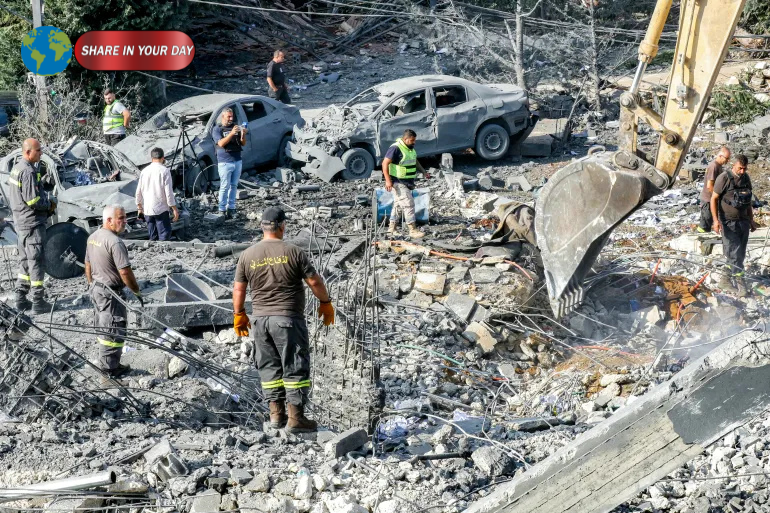
The most serious attack occurred shortly after midnight in Kfar Rumman, a town near Nabatieh in southern Lebanon.
According to Lebanon’s National News Agency, Israeli warplanes struck a three-story residential building. The attack killed nine people, including two children, and wounded five others.
Lebanon’s Ministry of Public Health gave a more detailed initial account, saying eight people were killed in the strike on the home, including a child and two women. Eleven people were wounded, including four children, two women and a paramedic.
The casualty figures changed as rescue teams continued working through the rubble.
A separate Israeli drone strike targeted a civilian vehicle in Kfar Rumman. Two paramedics were killed in that attack, according to Lebanese state media and subsequent reporting.
The combined death toll from the attacks was later reported at 11.
The presence of children and emergency responders among those killed has intensified criticism of the operation and raised additional concerns about civilian protection during the continuing conflict.
Israel Airstrikes Follow Deadly Weekend Escalation
Monday’s attacks did not occur in isolation.
Israeli forces had already carried out a series of strikes across southern Lebanon over the weekend. On Sunday, at least seven people were killed in Israeli attacks, according to Lebanese authorities. Twenty other people were wounded in attacks reported around the southern region, according to the initial Al Jazeera report.
The latest wave has affected several communities around the Nabatieh area, including Arab Salim, Nabatieh al-Fawqa and Deir al-Zahrani.
In Arab Salim, an Israeli strike hit a home. Another operation was reported in Deir al-Zahrani after the Israeli military issued an evacuation warning for an area it said was connected to Hezbollah activity.
The rapid succession of attacks has created growing uncertainty among residents.
Al Jazeera reported from Kfar Rumman that fear and uncertainty were widespread as civil defense workers continued recovering victims from destroyed buildings. The broadcaster also reported that people who had begun returning to southern Lebanon after the ceasefire were once again facing the possibility of renewed violence.
Why Israel Says It Is Striking Southern Lebanon
Israel says its military campaign in southern Lebanon is focused on Hezbollah.
The Israeli military has accused Hezbollah of continuing military activity and launching explosive drones toward Israeli forces. Israeli officials say such activity represents a direct threat and requires military action.
Reuters reported that Israel has intensified its operations following alleged Hezbollah drone attacks. Israeli forces have also said they are targeting weapons facilities, infrastructure and other military positions associated with Hezbollah.
However, Lebanese officials and residents have repeatedly accused Israel of striking civilian areas and violating the ceasefire.
The competing claims highlight the central problem facing the truce: Israel says it must prevent Hezbollah from rebuilding military capabilities, while Lebanon and Hezbollah argue that continued Israeli military operations undermine the agreement and prevent a return to normal life.
Independent verification of the military nature of individual targets is often difficult immediately after an airstrike.
Israel and Hezbollah Remain Locked in a Dangerous Standoff
The conflict has increasingly centered on southern Lebanon, particularly strategically important areas around the Nabatieh region.
One of the most important developments has been the fight over the Ali al-Taher ridge, a strategically located high point that overlooks parts of southern Lebanon.
Israel said it had gained operational control over the ridge and later announced that its forces had cleared Hezbollah fighters from tunnel infrastructure beneath the area. Hezbollah has not publicly confirmed Israel’s claims about the extent of its control.
The ridge is significant because its elevated position provides an important military advantage.
Reuters has reported that the area has become one of the major flashpoints between Israel and Hezbollah, with concerns that control of the ridge could influence military operations and negotiations over the future security arrangement in southern Lebanon.
The latest Israel airstrikes therefore come amid a much broader struggle over territory, military infrastructure and the terms of the ceasefire.
A Ceasefire Under Growing Pressure
A U.S.-brokered ceasefire between Israel and Lebanon was intended to reduce hostilities and provide a framework for stabilizing the border.
Instead, violence has continued.
The ceasefire has reduced some of the intensity seen during earlier phases of the conflict, but Israeli strikes, Hezbollah attacks and military activity have continued. UN peacekeepers have previously warned that the situation in southern Lebanon remains unstable, with ceasefire violations continuing despite a reduction in heavy fighting.
The situation has become particularly difficult for civilians who had hoped to return home.
Many communities in southern Lebanon suffered extensive damage during previous fighting. Residents who returned have faced destroyed houses, damaged infrastructure and continuing fears of new attacks.
Monday’s strikes could further undermine confidence in the ceasefire.
If violence continues at its current pace, local officials and international mediators could face increasing pressure to find a mechanism capable of preventing further escalation.
Civilian Deaths Raise Fresh Concerns
The deaths reported in Kfar Rumman have drawn particular attention because civilians and emergency responders were among the victims.
Lebanon’s Health Ministry said the residential strike killed women and a child and wounded additional children. The ministry also highlighted the death of a paramedic in the separate vehicle attack.
Reuters reported that two medics were among the 11 people killed in the broader attack.
The attacks underscore the risks faced by emergency workers operating in areas under bombardment.
Paramedics and civil defense personnel often move toward damaged buildings immediately after strikes. Their work puts them directly in danger, especially when additional attacks occur before rescue operations have ended.
Lebanese authorities have argued that medical personnel and civilians should receive protection under international humanitarian law.
The Human Cost Is Growing
The latest attacks are part of a much larger toll.
Al Jazeera, citing Lebanon’s Health Ministry, reported that Israeli strikes on Lebanon since the conflict escalated in early March had killed more than 4,350 people and wounded more than 12,300 by September 7. The ministry also reported hundreds of attacks affecting ambulance crews and healthcare workers.
The figures illustrate the enormous pressure placed on Lebanon’s already strained healthcare and emergency systems.
Southern Lebanon has been especially affected because of its proximity to the Israeli border and the concentration of military activity in the area.
For families living in towns such as Kfar Rumman, Arab Salim and surrounding communities, the latest escalation means that even periods of relative calm can quickly disappear.
What Happens Next?
The immediate concern is whether the latest attacks will trigger another cycle of retaliation.
Hezbollah has previously responded to Israeli military operations with drone and rocket attacks. Israel has then used those attacks as justification for additional strikes.
That pattern creates a potentially dangerous feedback loop.
Each new attack increases pressure on political leaders to respond. At the same time, continued military action makes diplomatic negotiations more difficult.
The United States has been involved in efforts to maintain the ceasefire and negotiate arrangements involving Israeli forces, the Lebanese government and Hezbollah. But disagreements over Hezbollah’s weapons and Israel’s military presence remain major obstacles.
A framework discussed in recent months has involved Israeli withdrawal and Hezbollah disarmament. Implementation has stalled, however, with fundamental disagreements over the scope and timing of both measures.
The dispute over southern Lebanon’s strategic areas has made those negotiations even more complicated.
Lebanon Faces a Difficult Road Ahead
For Lebanon, the latest Israel airstrikes represent more than another deadly incident.
They are a warning that the country remains vulnerable to a wider regional conflict.
Lebanon is already dealing with severe economic and political challenges. Renewed fighting threatens to increase displacement, destroy infrastructure and place additional pressure on public services.
The humanitarian consequences could also expand if civilians are forced to flee their homes again.
International diplomats now face the challenge of preventing the situation from deteriorating further while addressing the security concerns cited by Israel and the demands of Lebanon and Hezbollah.
The longer the ceasefire remains fragile, the greater the risk that isolated attacks could develop into sustained confrontation.
Conclusion
The latest Israel airstrikes in southern Lebanon have left at least 11 people dead, including two children and two medics, according to Lebanese state media and subsequent international reporting. The attacks on Kfar Rumman came after another deadly day of Israeli strikes across southern Lebanon, highlighting the growing fragility of the ceasefire.
Israel maintains that its operations are necessary to counter Hezbollah’s military activity and prevent attacks against Israeli forces. Lebanon, meanwhile, says the continuing strikes are violating the truce and causing unacceptable civilian suffering.
For residents of southern Lebanon, the immediate reality is uncertainty.
Homes remain vulnerable, emergency workers continue operating under dangerous conditions, and communities that had hoped to rebuild after months of fighting are once again facing the threat of displacement.
Unless Israel, Lebanon and Hezbollah can reach a durable arrangement, the latest escalation risks becoming another chapter in a conflict that has repeatedly defied attempts to bring lasting calm.