Supreme Court Blocks Trump Mail-In Voting Restrictions Ahead of Midterms
The U.S. Supreme Court has rejected the Trump administration’s attempt to put new restrictions on mail-in voting into effect before the 2026 midterm elections, dealing a significant setback to the administration’s effort to change how mailed ballots are handled across the country.
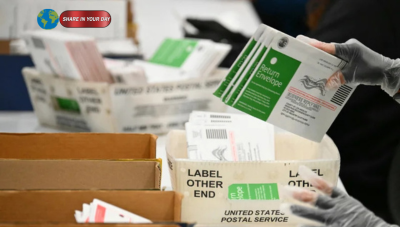
The court’s action leaves existing mail-in voting procedures in place while the broader legal fight continues. The dispute centers on new rules backed by President Donald Trump that would give the U.S. Postal Service greater authority over how states prepare and submit mail ballots.
The administration has argued that the changes are necessary to strengthen election security and improve confidence in the voting process. Critics, however, say the rules could create confusion for election officials and voters while increasing the risk that valid ballots could be rejected.
The Supreme Court’s decision came as voting preparations for the November midterm elections were already underway in several states.
Supreme Court Rejects Trump Administration Request
The Trump administration had asked the Supreme Court to allow the Postal Service to enforce the new requirements while the legal challenge moved forward.
The proposed system included requirements involving voter information and the design of ballot envelopes. Under the administration’s plan, states would have been required to meet federal requirements before ballots could be processed through the postal system.
The rules also would have expanded the Postal Service’s ability to reject ballots that did not meet the new standards.
The Supreme Court declined to lift a lower-court order blocking the policy for the upcoming election. The ruling did not provide a lengthy explanation, but it means the administration cannot implement the disputed restrictions for this year’s midterm elections.
Justices Clarence Thomas and Samuel Alito dissented from the court’s decision. Justice Brett Kavanaugh indicated that the administration’s arguments could potentially receive further consideration but agreed that the restrictions should not take effect during the current election cycle.
Federal Judges Also Blocked the Rules
The Supreme Court decision followed multiple rulings from federal judges who had already raised concerns about the administration’s plan.
U.S. District Judge Indira Talwani previously blocked implementation of the Postal Service restrictions. Her ruling became the center of the administration’s appeal to the Supreme Court.
A second federal judge, Carl Nichols, later issued another injunction against the policy in Washington, D.C. Nichols, who was appointed by Trump, concluded that the Postal Service did not have the authority to impose key portions of the new requirements.
The second ruling added another obstacle for the administration as it sought to change mail-ballot procedures before the November election.
The judges’ concerns included the possibility that election officials would not have enough time to implement major procedural changes without disrupting the voting process.
Mail ballots were already being distributed in some states, making the timing particularly important.
Why Mail-In Voting Has Become a Political Flashpoint
Mail-in voting has become one of the most controversial issues in American elections.
Trump has repeatedly criticized voting by mail and has argued that it creates opportunities for fraud. Election experts and voting-rights organizations have disputed broad claims that mail voting is inherently unreliable, pointing to safeguards used by states to verify ballots and voters.
The new administration policy represented another attempt to increase federal involvement in election administration, an area traditionally dominated by state and local governments.
Supporters of the Trump administration say stronger federal standards could make elections more secure and consistent. Opponents argue that federal intervention could interfere with states’ constitutional responsibilities and create unnecessary barriers for voters.
The legal dispute therefore extends beyond the technical details of envelopes and voter lists. At its core, the case raises questions about how much authority the federal government and the Postal Service have over the administration of elections.
Election Officials Warned of Potential Disruption
State and local election officials have expressed concerns about the practical effects of implementing the new requirements so close to the midterm elections.
A major concern is that different states operate mail-voting systems under different laws and procedures. Introducing a federal system would require election offices to modify existing processes, potentially at considerable cost.
Critics also warned that mistakes in voter databases, envelope specifications or federal processing requirements could result in legitimate ballots being delayed or rejected.
A whistleblower report and opposition from postal workers have added to concerns surrounding the rollout of the proposed system.
With mail voting already underway in some parts of the country, election administrators have argued that last-minute changes could create uncertainty for both voters and election workers.
What the Supreme Court Decision Means
For voters participating in the 2026 midterm elections, the immediate effect is that the existing mail-in voting systems remain in place.
The ruling does not permanently settle every legal question surrounding the administration’s broader effort to regulate mail voting. Instead, it prevents the disputed restrictions from taking effect for the current election.
That distinction could become important in future elections if the administration continues pursuing changes to federal election and postal policy.
For now, however, states retain their existing procedures for processing mail ballots, avoiding a potentially disruptive nationwide transition only weeks before voters head to the polls.
The Supreme Court’s decision represents a major legal setback for Trump’s attempt to impose new mail-voting restrictions ahead of the midterms. It also ensures that millions of voters who rely on mailed ballots will not face a new set of federal requirements during the 2026 election.
As further legal challenges continue, the battle over mail-in voting is likely to remain a major issue in the broader debate over election administration, federal power and voting rights in the United States.