The Federal Reserve Warsh confirmation process has taken a dramatic turn following a major political and legal development in Washington. A key Republican senator has dropped his opposition to President Donald Trump’s nominee, signaling a likely path forward for a leadership change at the central bank.
The shift comes after the U.S. Department of Justice ended its investigation into current Federal Reserve Chair Jerome Powell—a probe that had previously stalled the nomination of Kevin Warsh.
Here are the five most important developments shaping this high-stakes transition.
1. Senator Thom Tillis Drops Key Opposition
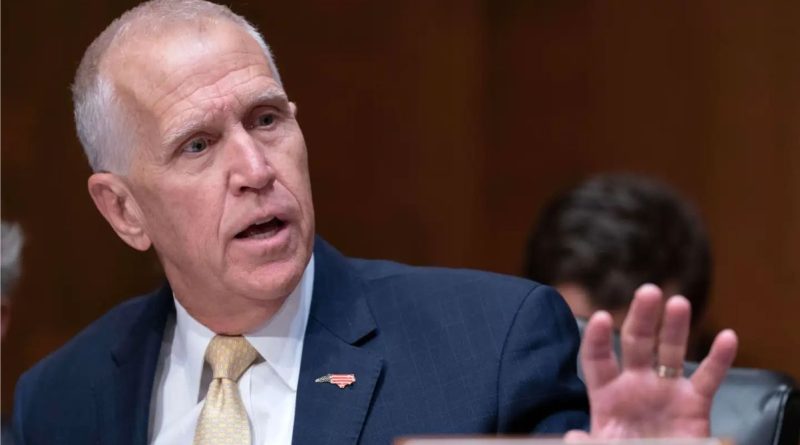
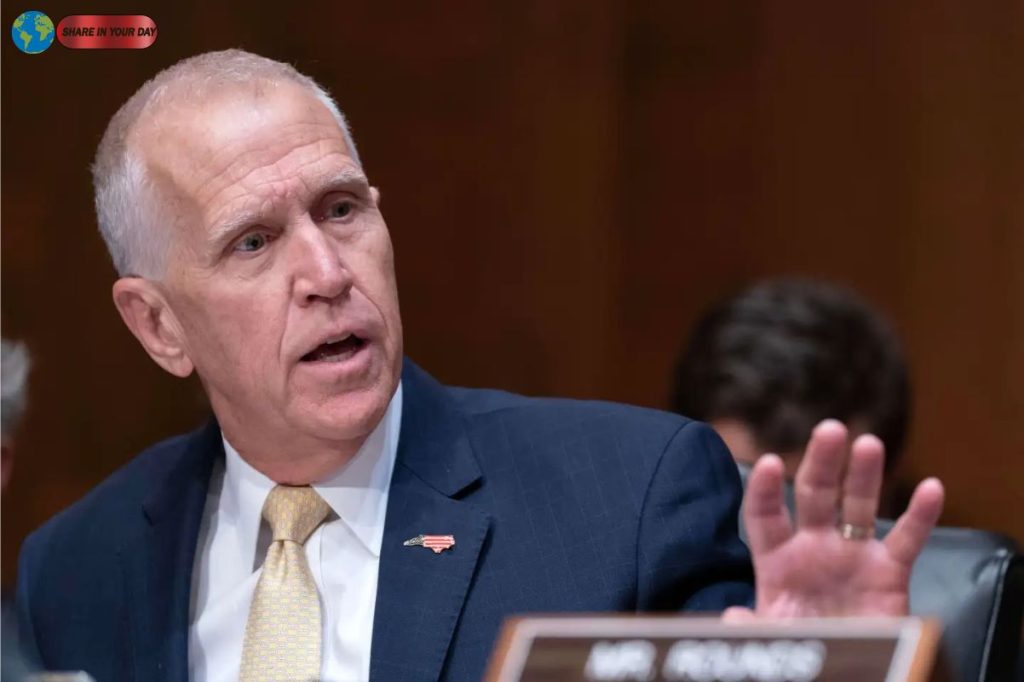
Republican Senator Thom Tillis had been the central obstacle blocking Warsh’s confirmation. His opposition effectively stalled progress in the Senate Banking Committee.
However, Tillis recently announced he is now prepared to support the nomination, removing a critical barrier. His decision followed assurances that the Justice Department had concluded its investigation into Powell.
This reversal is significant because Republicans hold only a narrow majority in the committee. Tillis’ backing now gives Warsh a clear path toward confirmation.
2. DOJ Ends Investigation Into Jerome Powell
At the heart of the controversy was a federal investigation into Powell over a costly Federal Reserve renovation project, which had ballooned to approximately $2.5 billion.
The Justice Department ultimately dropped the probe after failing to find sufficient evidence of wrongdoing.
The investigation had raised serious concerns about political pressure on the central bank. Critics argued it was an attempt to influence monetary policy decisions—especially regarding interest rates.
With the case now closed, one of the biggest uncertainties surrounding the Fed’s leadership has been removed.
3. Warsh’s Confirmation Now Likely
With Tillis stepping aside, Kevin Warsh’s confirmation appears increasingly likely. The Senate Banking Committee is expected to move forward with a vote, where Republicans hold the advantage.
Warsh, a former Federal Reserve governor, has pledged to maintain the institution’s independence despite political pressure.
His nomination comes at a crucial moment, as Powell’s term is set to expire on May 15, 2026. The timing suggests Warsh could assume leadership as early as the next Federal Reserve policy cycle.
4. Ongoing Concerns About Fed Independence
Despite progress in the confirmation process, concerns about the Federal Reserve’s independence remain central to the debate.
Democrats, including Senator Elizabeth Warren, have voiced strong opposition to Warsh. They argue his appointment could open the door to increased political influence over monetary policy.
Meanwhile, the broader political context continues to raise questions. Trump has repeatedly pressured the Fed to lower interest rates—an unusual move that has drawn criticism from economists and policymakers alike.
The earlier DOJ investigation further intensified fears that political tools were being used to influence central bank decisions.
5. Powell’s Future Remains Uncertain
Although his term as chair is ending, Jerome Powell’s future at the Federal Reserve is still unclear.
Traditionally, Fed chairs step down completely once their leadership term ends. However, Powell has the option to remain on the board as a governor until 2028.
Such a move would be unusual but could help preserve institutional stability during a politically sensitive transition.
At the same time, it could also create tension within the central bank, especially if Warsh takes over as chair.
A Critical Moment for US Monetary Policy
The Federal Reserve Warsh confirmation comes at a time of economic uncertainty. Inflation remains a concern, partly driven by global energy prices and geopolitical tensions.
The Fed is expected to maintain a cautious stance on interest rates in the near term. However, leadership changes could significantly influence future policy direction.
Warsh is generally seen as more aligned with market-driven approaches, though he has denied any commitment to follow political directives.
Political Battle Reflects Broader Power Struggle
This episode highlights a broader struggle over the independence of key US institutions.
The conflict between the White House, the Justice Department, and the Federal Reserve has underscored the delicate balance between politics and economic governance.
For many observers, the resolution of the Powell investigation—and the subsequent progress of Warsh’s nomination—marks a turning point.
However, questions remain about whether similar tensions could arise again in the future.
What Happens Next?
The next steps are likely to unfold quickly:
- The Senate Banking Committee is expected to vote on Warsh’s nomination
- A full Senate vote could follow soon after
- Powell’s term will officially end in mid-May
- A leadership transition could occur before the Fed’s next major policy meeting
If confirmed, Warsh will inherit a complex economic landscape and a politically charged environment.
Conclusion
The Federal Reserve Warsh confirmation process has entered a निर्णायक phase following the end of the DOJ investigation into Jerome Powell.
With Senator Thom Tillis withdrawing his opposition, the path is now largely clear for Kevin Warsh to become the next Fed chair.
Yet beyond the confirmation itself, this moment raises deeper questions about institutional independence, political influence, and the future direction of US monetary policy.
As the situation continues to evolve, the decisions made in the coming weeks could have lasting consequences for the global economy.