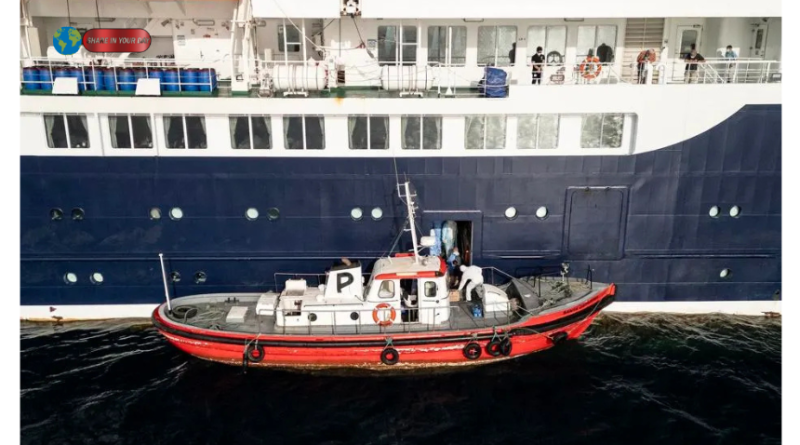
Hantavirus Cruise Case Revealed: 7 Key Health Alerts
The hantavirus cruise case 2026 has sparked international concern after a confirmed infection in Switzerland was linked to a deadly outbreak aboard a cruise ship now sailing toward the Canary Islands. Health authorities across Europe and beyond are closely monitoring the situation as questions grow about transmission risks and global preparedness.
The case involves a passenger from the expedition vessel MV Hondius, where multiple infections and deaths have already been reported. As the ship continues its journey, governments and health agencies are racing to contain the potential spread of a rare but dangerous virus.
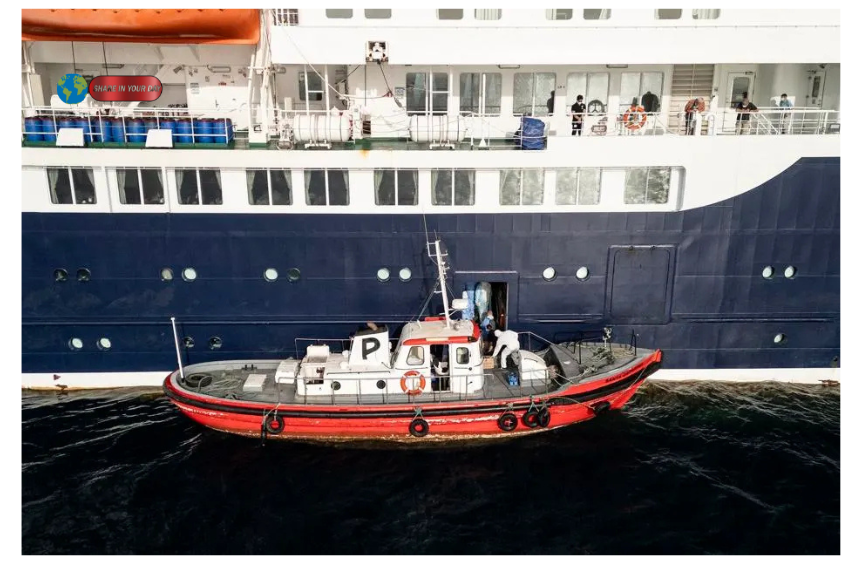
Hantavirus Cruise Case 2026: What Happened
The outbreak originated aboard the MV Hondius, a polar expedition cruise ship carrying around 150 passengers and crew members from more than 20 countries.
At least three people have died and several others have fallen ill after developing symptoms consistent with hantavirus infection.
A newly confirmed case in Switzerland has now been directly linked to the ship. The infected individual reportedly sought medical treatment after being alerted to the outbreak during the voyage.
This development marks a critical escalation, as it demonstrates that the outbreak is no longer confined to the vessel itself.
What Is Hantavirus and Why It Matters
Hantavirus is a rare but potentially deadly disease typically transmitted through contact with rodent urine, droppings, or saliva.
There are two main types of hantavirus infections:
- Old World hantavirus, which affects the kidneys
- New World hantavirus, which causes severe lung disease
The outbreak linked to the cruise ship is believed to involve the Andes strain, which is particularly concerning because it can, in rare cases, spread between humans.
This possibility has raised alarm among global health officials, especially given the confined environment of a cruise ship where close contact is common.
Switzerland Case Raises Global Alarm
The detection of the hantavirus cruise case 2026 in Switzerland represents a significant turning point. It confirms that infected individuals have already traveled internationally, increasing the risk of wider exposure.
Health authorities in Switzerland are currently treating the patient while conducting contact tracing to identify anyone who may have been exposed.
Meanwhile, international coordination is underway, with the World Health Organization (WHO) working alongside European health agencies to monitor the situation.
Despite these concerns, the WHO has stated that the overall risk to the general public remains low.
Cruise Ship Allowed to Sail to Canary Islands
Despite the outbreak, the MV Hondius has been granted permission to sail to Spain’s Canary Islands after being denied docking in Cape Verde due to limited medical capacity.
Spanish authorities have agreed to accept the ship under strict health protocols, including:
- Comprehensive medical screening of all passengers
- Isolation procedures for suspected cases
- Coordination with international health agencies
This decision reflects both humanitarian concerns and the need for proper medical infrastructure to handle the outbreak.
However, the move has not been without controversy. Regional officials in the Canary Islands have expressed concern about the risks associated with allowing the vessel to dock.
Symptoms and Severity of the Virus
Hantavirus infection can begin with flu-like symptoms, including:
- Fever
- Fatigue
- Muscle aches
- Headaches
In severe cases, the disease can rapidly progress to hantavirus pulmonary syndrome (HPS), which affects the lungs and can lead to respiratory failure.
The fatality rate for severe cases can be as high as 35% to 40%, making early detection and treatment critical.
Currently, there is no specific antiviral treatment or vaccine for hantavirus, and care is primarily supportive.
How Did the Outbreak Start?
Investigators are still working to determine how the virus spread aboard the cruise ship. Several theories have been proposed:
- Exposure during shore excursions in remote regions such as Antarctica or South Atlantic islands
- Contamination onboard, possibly through food or storage areas
- Limited human-to-human transmission, especially among close contacts
Experts believe the virus may have been introduced by a passenger before boarding, with symptoms appearing later during the voyage.
Containment Efforts and Safety Measures
Authorities have implemented strict containment measures both onboard the ship and internationally. These include:
- Isolation of passengers in their cabins
- Use of protective equipment such as masks
- Enhanced sanitation and disinfection protocols
- Medical evacuations for severe cases
Several critically ill individuals have already been transported to hospitals in different countries for treatment.
Meanwhile, airlines and health agencies are conducting contact tracing for passengers who may have traveled after exposure.
Global Response and Market Impact
The hantavirus cruise case 2026 has prompted a coordinated global response involving multiple governments and health organizations.
While the outbreak is relatively small, its unusual setting—a cruise ship—has drawn comparisons to early COVID-19 incidents, highlighting vulnerabilities in international travel systems.
However, experts emphasize that hantavirus is far less contagious than COVID-19, and widespread outbreaks are unlikely under normal conditions.
Still, the situation has raised awareness about zoonotic diseases and the importance of rapid response mechanisms in global health emergencies.
What Happens Next?
Several key developments are expected in the coming days:
- Arrival of the cruise ship in the Canary Islands
- Full medical screening of passengers and crew
- Ongoing investigation into the source of the outbreak
- Continued monitoring of international cases
Health officials will also assess whether additional containment measures are necessary to prevent further spread.
Conclusion
The hantavirus cruise case 2026 highlights the complex challenges of managing infectious disease outbreaks in a globalized world. From a single ship in the Atlantic to a confirmed case in Switzerland, the situation underscores how quickly health threats can cross borders.
While authorities stress that the overall risk remains low, the incident serves as a reminder of the importance of vigilance, coordination, and preparedness in the face of emerging diseases.
As the cruise ship approaches the Canary Islands, the world will be watching closely to see how this unfolding health situation is resolved.