
Trump Administration Defends White House Media Ban Ahead of Court Hearing
The Trump administration is defending its decision to bar CNN, Politico and MS NOW from the White House, arguing that reporting by the three organizations included material that raised national security concerns and contained what officials described as false or misleading claims.
The Justice Department made the arguments in a court filing ahead of a hearing in Washington, DC, where a federal judge is expected to consider whether the restrictions should temporarily be lifted while the broader legal dispute moves forward.
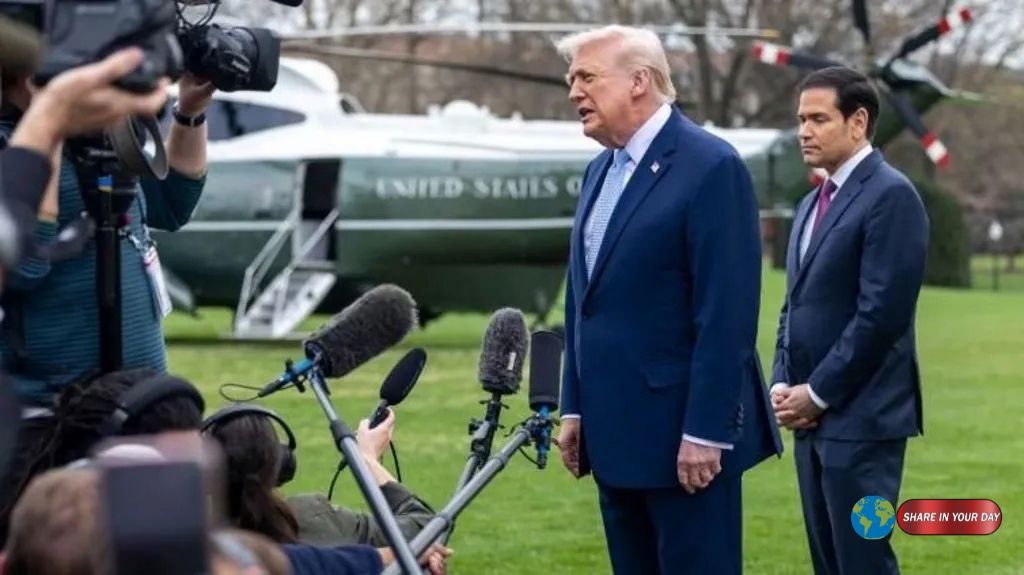
The dispute has become another significant confrontation between the Trump administration and major US news organizations, with the media companies arguing that the White House punished journalists because of their reporting.
Justice Department Defends White House Decision
The Justice Department’s filing argues that access to the White House is a privilege rather than an unconditional right. Government lawyers say the administration has authority to control access to restricted areas of the presidential complex, particularly when officials believe national security information could be involved.
The filing follows a lawsuit brought by CNN, Politico and MS NOW after their journalists lost access to the White House.
According to the administration, the three organizations were given examples of reporting that officials considered problematic. The examples included stories concerning construction at the White House, the Iran war, an investigation into an information leak and other matters involving the administration.
The government has characterized some of the reporting as involving sensitive or classified information and has argued that such publication can create national security concerns.
The Justice Department is asking the court to reject the media organizations’ request for an immediate restoration of their access.
Media Organizations Challenge the Ban
CNN, Politico and MS NOW have taken a different position, arguing that the White House restrictions amount to government retaliation for journalism that officials dislike.
Their lawsuit says the administration’s action violates constitutional protections, including the First Amendment’s protection of freedom of the press. The organizations have also raised due-process arguments, saying their journalists’ credentials were revoked without adequate notice or an opportunity to challenge the decision beforehand.
The companies have described the dispute as a broader issue than access to one government building. They argue that allowing an administration to remove journalists from the White House because of unfavorable coverage could have implications for independent reporting and the relationship between government officials and the press.
The court will therefore have to consider both the administration’s claims about security and access and the media organizations’ constitutional arguments.
Reporting Cited by the Administration
The White House has pointed to several categories of reporting in explaining its decision.
Some of the examples concern construction projects at the White House, including reports about a security bunker and plans involving a new ballroom. Other material cited by officials concerns the war with Iran and an investigation into a possible information leak.
The administration has also challenged reporting involving other political and foreign-policy matters. Government lawyers say the outlets failed to meet standards that the White House expects from journalists receiving access to presidential facilities.
The news organizations reject that characterization and say the administration is using access as leverage over editorial decisions.
The disagreement illustrates the tension inherent in White House press access. Journalists need access to officials and presidential events to report on the administration, while the government controls physical access to many areas where the president works and meets visitors.
Wider Changes to White House Media Access
The dispute has already affected the traditional White House press system.
Major television networks have withdrawn from a media-sharing arrangement commonly known as the press pool. The arrangement allows participating news organizations to share photographs and video of the president, particularly when physical space prevents every journalist from attending an event.
The latest confrontation comes after earlier disputes between the Trump administration and news organizations over access.
The Associated Press has also been involved in a separate legal battle after its journalists were restricted from certain White House spaces following the organization’s decision not to adopt Trump’s preferred terminology for the Gulf of Mexico. That case remains in the courts.
Trump’s first administration also had a major confrontation with CNN after the White House revoked correspondent Jim Acosta’s press credentials in 2018. That decision was challenged in court and became an early example of the continuing dispute over presidential access and press rights.
The Constitutional Questions
At the heart of the latest case is the balance between presidential control over White House grounds and constitutional protections for journalism.
The administration argues that reporters do not have an unlimited entitlement to enter secure areas of the White House. Officials say restrictions can be justified when access creates security concerns or when journalists violate established standards.
The media organizations contend that those powers cannot be used as punishment for reporting that is critical of the president or his administration.
The distinction could become important as the case develops. If the court determines that the restrictions were imposed because of protected journalistic activity, the First Amendment arguments could become central to the dispute.
If the administration succeeds in establishing that the restrictions were based on legitimate security and access considerations, the case could instead turn on the extent of presidential authority over White House facilities.
A Larger Fight Over Press Freedom
The case arrives during a period of increasingly tense relations between the Trump administration and sections of the American news media.
Trump has repeatedly criticized organizations whose coverage he considers unfair, while his administration has sought greater control over access and the flow of information from the White House.
The three organizations now want the courts to determine whether the latest restrictions cross a constitutional line.
Wednesday’s hearing is not expected to settle every issue surrounding the dispute. Instead, it could determine whether the journalists regain access while the larger lawsuit proceeds.
For the White House, the case concerns presidential authority, security and control over government property. For CNN, Politico and MS NOW, it concerns whether government officials can restrict journalists because of their reporting.
The eventual court decisions could therefore have consequences extending beyond the three organizations involved, particularly for the long-standing relationship between the US presidency and the press corps covering it.
