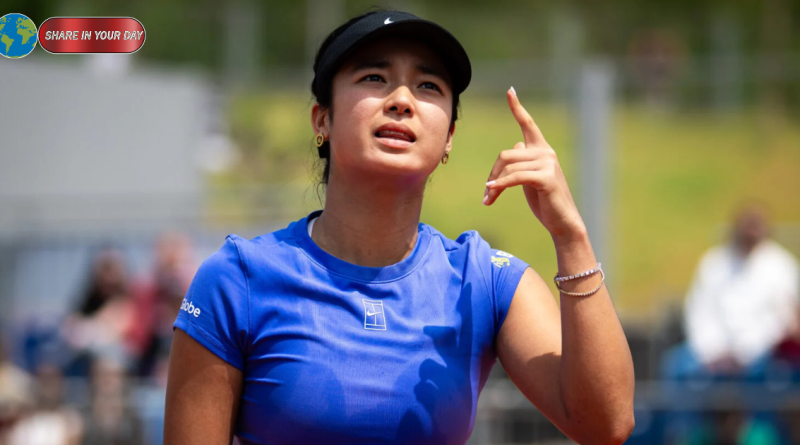
Alex Eala Defeat: Rusedski Sends Strong Message to Fans After Madrid Loss
The latest Alex Eala defeat at the Madrid Open has sparked widespread discussion in the tennis world, but former British No. 1 Greg Rusedski is urging fans to remain calm and patient as the young Filipina star continues her development on the WTA Tour.
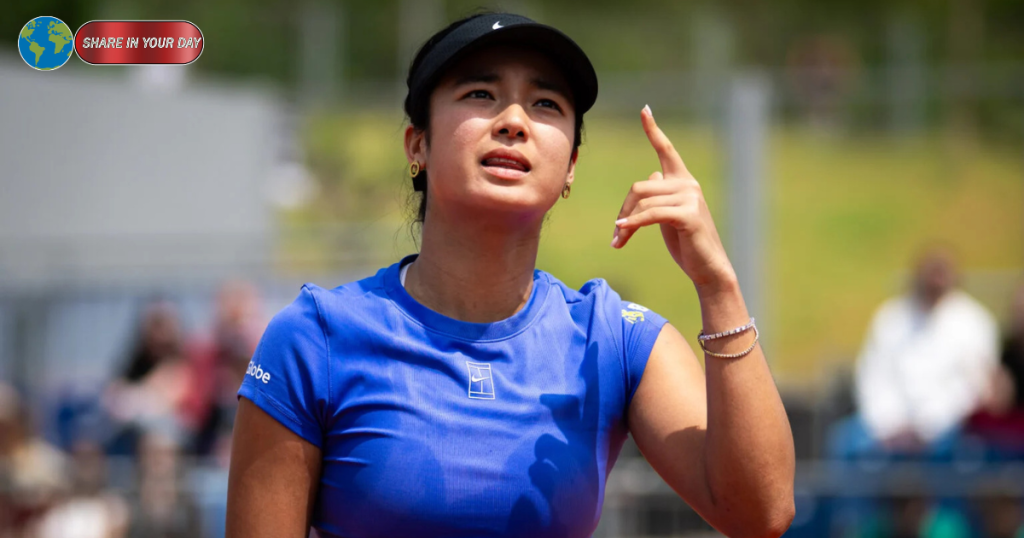
Eala, one of the brightest prospects in women’s tennis, suffered a heavy second-round loss in Madrid, winning only a handful of games against Belgium’s Elise Mertens. The result raised concerns among some supporters, but Rusedski offered a measured perspective, emphasizing that setbacks are a natural part of a young player’s growth.The Alex Eala defeat in Madrid came in the second round of the prestigious WTA 1000 tournament. After progressing through her opening match, the 20-year-old faced a tough challenge against Elise Mertens, a seasoned player known for her consistency and tactical intelligence.
Eala struggled to impose her game and ultimately lost in a one-sided contest, highlighting the gap that still exists between rising talents and established tour professionals.
This loss follows a pattern seen throughout her 2026 season, where she has shown flashes of brilliance but also endured heavy defeats against higher-ranked opponents.
Greg Rusedski’s Key Message to Fans
Former US Open finalist Greg Rusedski did not shy away from addressing the situation. However, instead of criticizing Eala, he turned his attention to her supporters.
His message was simple but powerful: be patient.
Rusedski stressed that Eala is “too good a player” and will eventually figure things out, pointing to her resilience and strong support system as key factors in her long-term success.
He also noted that young players often experience uneven results as they adapt to the physical and mental demands of competing at the highest level week after week.
For Rusedski, the Alex Eala defeat is not a red flag—it’s part of the process.
Why This Defeat Is Not a Major Concern
Learning Curve on the WTA Tour
Transitioning from junior success to the professional circuit is rarely smooth. Eala, who turned professional in 2020, is still adjusting to the intensity of the WTA Tour.
Facing powerful hitters and experienced opponents regularly presents a steep learning curve. Matches like the one in Madrid expose areas that need improvement, particularly when competing against players who can dictate rallies with pace and precision.
Physical and Tactical Development
One of the recurring themes in discussions about Eala’s game is the need for greater physical strength and tactical refinement.
Experts have pointed out that her serve remains a key weakness, often lacking the power needed to compete consistently at the top level.
Meanwhile, her ability to handle aggressive opponents is still evolving, especially on clay courts where longer rallies demand endurance and strategic variety.
The Reality of Facing Elite Competition
The Alex Eala defeat also reflects the reality of facing top-tier opponents. Players like Mertens bring years of experience and a deep understanding of match situations, which can overwhelm younger competitors.
Rusedski emphasized that these losses are not necessarily negative, particularly when they come against strong players. Instead, they provide valuable lessons that can accelerate development.
A Season of Highs and Lows
Eala’s 2026 season has been a mix of promising performances and difficult defeats. She reached a career-high ranking of world No. 29 earlier this year, a historic milestone for Filipino tennis.
However, her results in major tournaments have been inconsistent. Heavy losses in events like Indian Wells, Miami, and Madrid have raised questions about her readiness to compete at the highest level on a consistent basis.
Despite this, many analysts remain optimistic about her future, pointing to her talent, work ethic, and rapid rise through the rankings.
The Importance of Patience in Player Development
Rusedski’s comments highlight a broader issue in modern tennis: the pressure placed on young athletes to deliver immediate success.
In an era where teenage sensations can quickly become global stars, expectations can rise rapidly. However, not every player follows the same trajectory.
For Eala, patience may be the key to unlocking her full potential. Developing the physical strength, tactical awareness, and mental resilience required at the elite level takes time.
Support System Behind Alex Eala
One of the factors working in Eala’s favor is her strong support team. She trains in Spain and has access to world-class coaching and facilities, which provide a solid foundation for her growth.
Rusedski specifically pointed out that she is surrounded by experienced professionals who can guide her through challenging periods.
This support system is crucial in helping young players navigate setbacks and maintain confidence.
Fan Expectations vs Reality
The reaction to the Alex Eala defeat also reflects the high expectations placed on her, particularly in the Philippines where she is seen as a national sporting icon.
Her rapid rise has inspired comparisons to some of the biggest names in tennis, but such expectations can create additional pressure.
Rusedski’s call for patience serves as a reminder that development is not always linear. Even the greatest players in history experienced setbacks early in their careers.
What Eala Needs to Improve
To take the next step in her career, Eala will need to focus on several key areas:
Serve Improvement
A stronger, more reliable serve will help her win more free points and reduce pressure during matches.
Physical Strength
Building endurance and power will allow her to compete more effectively against aggressive opponents.
Tactical Awareness
Developing smarter strategies, particularly on clay courts, will be essential for long-term success.
Looking Ahead: What’s Next for Eala?
Despite the setback in Madrid, the season is far from over. Eala will have more opportunities to compete in upcoming tournaments, where she can apply the lessons learned from her recent defeats.
Her long-term trajectory remains positive, with many experts believing she has the potential to become a top-20 player—or even higher.
The key will be consistency and continued improvement.
Conclusion
The latest Alex Eala defeat in Madrid may have raised concerns among fans, but Greg Rusedski’s message offers a much-needed reality check.
Rather than viewing the loss as a setback, it should be seen as part of a young player’s journey toward excellence. With the right support, continued development, and—most importantly—patience, Eala has the tools to succeed at the highest level.
For now, the message is clear: trust the process.