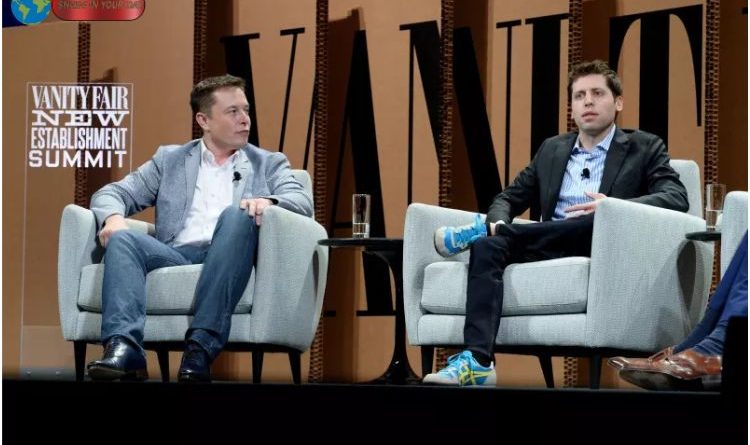
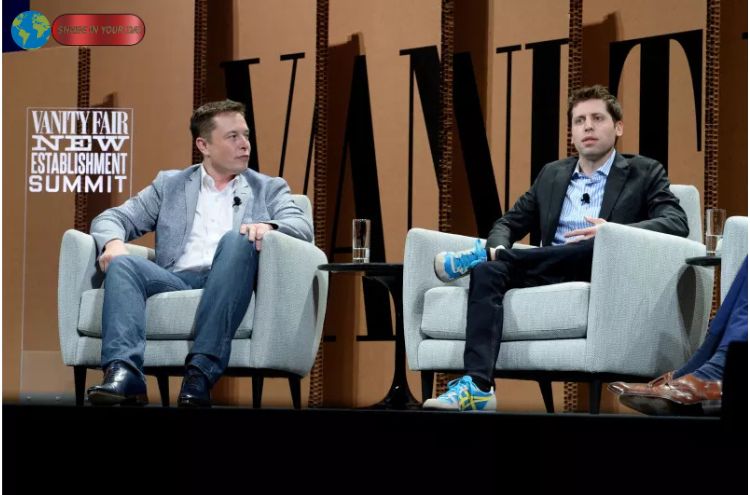
The OpenAI trial 2026 has officially begun, marking one of the most dramatic and high-stakes legal confrontations in the history of artificial intelligence. At the center of the case is a bitter dispute between Elon Musk and OpenAI CEO Sam Altman over the company’s transformation from a nonprofit organization into a global, profit-driven AI powerhouse.
The trial, unfolding in a federal courtroom in Oakland, California, is expected to reshape not only the future of OpenAI but also the broader direction of the AI industry. With billions of dollars at stake and some of the most influential figures in technology set to testify, this case is already being described as a defining moment for Silicon Valley.
The Origins of the OpenAI Trial 2026
To understand the OpenAI trial 2026, it is essential to revisit the company’s founding mission.
OpenAI was established in 2015 as a nonprofit organization with a clear goal: to ensure that artificial general intelligence (AGI) benefits all of humanity.
Elon Musk, one of the co-founders, contributed tens of millions of dollars to support this vision. However, tensions began to emerge when OpenAI shifted toward a for-profit model in 2019—an evolution Musk claims violated the original agreement.
According to court filings, Musk argues that the organization abandoned its nonprofit principles and prioritized commercial success, particularly through its partnership with Microsoft.
This fundamental disagreement now forms the backbone of the trial.
What Elon Musk Is Claiming
Musk’s legal argument centers on the idea that OpenAI breached a “charitable trust.”
He alleges that:
- OpenAI was originally intended to remain nonprofit
- Leadership, including Sam Altman, shifted toward profit motives
- The transition benefited executives and corporate partners
Musk is seeking massive damages—reportedly exceeding $130 billion—and is also pushing for structural changes within the company.
These changes could include:
- Removing key leaders like Sam Altman and Greg Brockman
- Forcing OpenAI to return to its nonprofit roots
- Imposing stricter governance aligned with its founding mission
Notably, Musk has stated that any financial compensation he receives would be directed toward charitable purposes rather than personal gain.
OpenAI and Sam Altman’s Defense
OpenAI strongly denies Musk’s allegations.
The company argues that:
- The shift to a “capped-profit” model was necessary to secure funding
- Musk was aware of and initially supported the transition
- His lawsuit is motivated by competition, particularly with his AI company, xAI
OpenAI maintains that becoming commercially viable was essential to compete in the rapidly evolving AI landscape, where development costs have skyrocketed.
Executives also claim that Musk attempted to gain control of the company before leaving in 2018, suggesting that the dispute is as much about power as it is about principles.
A Courtroom Filled With Tech Titans
The OpenAI trial 2026 is not just another corporate lawsuit—it is a gathering of some of the most powerful figures in technology.
Expected witnesses include:
- Elon Musk
- Sam Altman
- Microsoft CEO Satya Nadella
- OpenAI co-founder Greg Brockman
Their testimonies are expected to reveal internal communications, strategic decisions, and behind-the-scenes conflicts that have shaped the AI industry over the past decade.
Meanwhile, the case is being overseen by U.S. District Judge Yvonne Gonzalez Rogers, adding further prominence to an already high-profile legal battle.
The Bigger Issue: Nonprofit vs Profit in AI
At its core, the OpenAI trial 2026 raises a fundamental question:
Can a company dedicated to benefiting humanity also operate as a profit-driven enterprise?
Musk argues that the answer is no—that profit incentives inherently conflict with the ethical development of AI.
OpenAI, however, contends that without significant funding and commercial partnerships, it would be impossible to compete with rivals and advance AI technology at scale.
This debate reflects a broader tension within the tech industry, where innovation often requires massive investment, but ethical concerns remain paramount.
Potential Impact on the AI Industry
The outcome of the OpenAI trial 2026 could have far-reaching consequences.
If Musk wins, the ruling could:
- Force OpenAI to restructure its business model
- Set legal precedents for nonprofit tech organizations
- Slow down commercialization of advanced AI systems
On the other hand, if OpenAI prevails, it may reinforce the legitimacy of hybrid nonprofit-profit structures, potentially encouraging similar models across the industry.
The case could also influence investor confidence, regulatory frameworks, and public perception of AI companies worldwide.
Why This Trial Matters Now
The timing of the OpenAI trial 2026 is particularly significant.
The AI industry is currently experiencing explosive growth, with companies racing to develop more powerful systems and secure market dominance.
At the same time, concerns about:
- AI safety
- Ethical governance
- Corporate control
are becoming increasingly urgent.
This trial sits at the intersection of these issues, making it one of the most closely watched legal battles in recent history.
Internal Conflicts and Revealed Tensions
Court documents and reports suggest that the dispute goes beyond public statements.
Internal emails, personal notes, and testimonies are expected to reveal:
- Disagreements over OpenAI’s direction
- Concerns about profit motives
- Personal tensions between key figures
Some reports even describe the conflict as a “power struggle” within one of the world’s most influential AI organizations.
These revelations could reshape how the public views both Musk and Altman.
The Stakes: More Than Just Money
While the financial stakes are enormous, the true significance of the OpenAI trial 2026 lies in its implications for the future of AI.
This case could determine:
- Who controls advanced AI technologies
- How these technologies are governed
- Whether profit-driven innovation can align with public good
In many ways, the trial is not just about OpenAI—it is about the future of humanity’s relationship with artificial intelligence.
What Happens Next?
The trial is expected to last several weeks, with multiple phases covering liability and potential remedies.
Legal experts suggest that even if Musk does not win full damages, the court could still impose governance changes or other reforms.
Meanwhile, the tech world will be watching closely, as the outcome could influence everything from startup strategies to global AI regulation.
Conclusion: A Defining Moment for AI
The OpenAI trial 2026 is more than a legal dispute—it is a turning point in the evolution of artificial intelligence.
As Elon Musk and Sam Altman face off in court, the case highlights the complex intersection of ethics, innovation, and corporate power.
Whether the verdict favors Musk or OpenAI, one thing is certain: the impact of this trial will be felt far beyond the courtroom.
It may ultimately define how AI is developed, controlled, and trusted in the years to come.